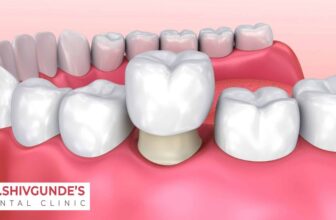
Wisdom teeth, or third molars, are the last teeth to develop in your mouth, usually emerging in your late teens or early twenties. While some people never experience issues with their wisdom teeth, others face significant problems that necessitate their removal.
How do you know if it’s time to say goodbye to your wisdom teeth? Here are ten signs you need your wisdom teeth removed.
1. Persistent Pain and Discomfort
What Causes the Pain?
Pain at the back of your mouth is one of the most common signs that you might need your wisdom teeth removed. This pain can be caused by the teeth pushing against other teeth, becoming impacted (trapped under the gum), or by infections.
When to Act
If you experience persistent pain that doesn’t go away with over-the-counter painkillers or continues to worsen, it’s time to see a dentist. Early intervention can prevent further complications and alleviate discomfort.
2. Swollen or Tender Gums
Recognizing Swelling
Swelling around the gums, particularly at the back of your mouth, can indicate problems with your wisdom teeth. The gums may also feel tender to the touch and might bleed when you brush or floss.
Why It Happens
This swelling is often due to the eruption process of the wisdom teeth, which can irritate and inflame the surrounding gums. In some cases, it may also signal an infection.
3. Jaw Stiffness or Pain
Understanding Jaw Pain
Jaw pain or stiffness can occur if your wisdom teeth are impacted or misaligned. This pain can extend to your ears and cause headaches.
Consequences of Ignoring It
Ignoring jaw pain can lead to more severe problems like temporomandibular joint (TMJ) disorders, which can significantly affect your ability to chew and speak comfortably.
4. Frequent Infections
Pericoronitis
Infections such as pericoronitis, which is an infection of the gum tissue around the wisdom teeth, are common when these teeth partially erupt. This condition can cause severe pain and swelling.
Repeated Infections
If you experience frequent infections around your wisdom teeth, it’s a strong indication that they should be removed to prevent further health issues.
5. Damage to Nearby Teeth
Crowding and Misalignment
Wisdom teeth can push against your other teeth, causing them to shift and become misaligned. This crowding can undo orthodontic work and make maintaining oral hygiene more difficult.
Identifying Damage
Look out for changes in your bite or the alignment of your teeth. If you notice your teeth shifting, consult your dentist for an evaluation.
6. Cysts or Tumors
Understanding the Risks
Impacted wisdom teeth can sometimes lead to the formation of cysts or even benign tumors. These growths can cause damage to your jawbone and surrounding teeth.
Early Detection
Regular dental check-ups and X-rays can help detect these issues early, allowing for timely removal of the wisdom teeth to prevent serious complications.
7. Sinus Issues
Connection Between Teeth and Sinuses
Your upper wisdom teeth are located near your sinuses. If these teeth grow in improperly, they can press against your sinuses and cause congestion, pressure, and pain.
Symptoms to Watch For
If you experience frequent sinus infections, congestion, or headaches, your wisdom teeth might be the culprits. A dental exam can help determine if this is the case.
8. Difficulty Eating
Chewing Problems
If you find it difficult to chew food without discomfort or pain at the back of your mouth, your wisdom teeth may be to blame.
Food Traps
Wisdom teeth can create pockets where food gets trapped, leading to decay and gum disease. If you’re constantly dealing with food getting stuck in your wisdom teeth, it’s time to consider removal.
9. Bad Breath and Unpleasant Taste
Oral Hygiene Challenges
Wisdom teeth can be difficult to clean properly, especially if they are partially erupted or misaligned. This can lead to a build-up of bacteria and food particles.
Persistent Bad Breath
If you have chronic bad breath or a persistent bad taste in your mouth despite good oral hygiene, it could be due to your wisdom teeth. Removing them can help improve your oral health.
10. Preventive Reasons
Avoiding Future Problems
Even if you’re not experiencing pain or discomfort now, your dentist might recommend removing your wisdom teeth as a preventive measure. This is often the case if X-rays show that the teeth are likely to cause problems in the future.
Timing of Removal
Removing wisdom teeth at a younger age is often easier and involves fewer risks than waiting until they cause issues. Younger patients tend to heal faster and experience fewer complications. For expert wisdom tooth removal in Borivali West, visit a trusted local dental clinic to ensure a pain-free and smooth procedure.
Conclusion
Wisdom teeth can cause a range of issues, from pain and swelling to infections and damage to other teeth. Recognizing the signs that you need your wisdom teeth removed can save you from future complications and maintain your oral health.
If you experience any of the symptoms mentioned above, schedule a consultation with your dentist. Early intervention can prevent further problems and ensure a smoother recovery process.
Taking care of your oral health is crucial, and addressing wisdom teeth issues promptly is a significant part of that care. Don’t ignore the warning signs—seek professional advice and treatment to keep your smile healthy and pain-free.