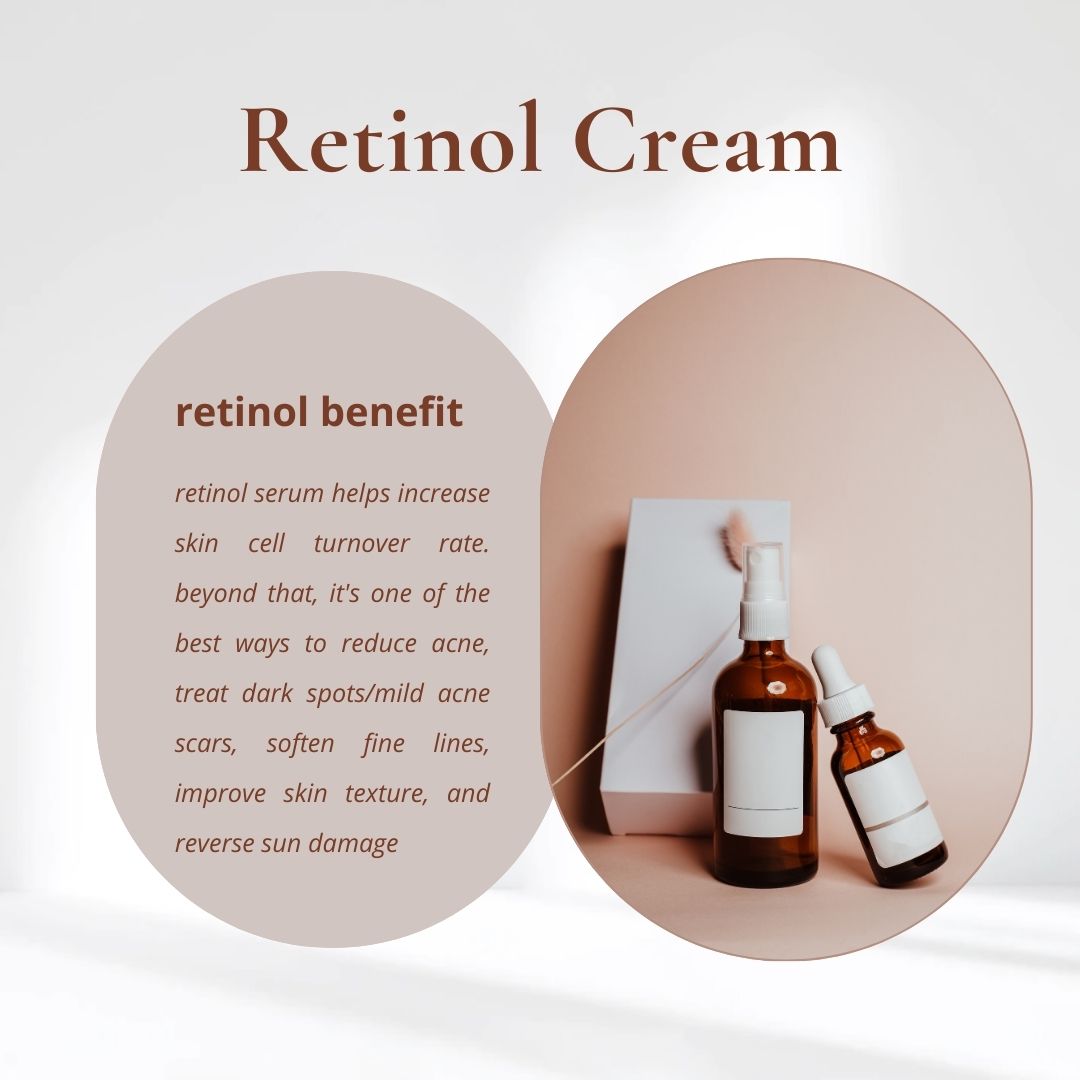
The Ultimate Guide to Retinol Cream: Your Secret to Youthful Skin
Retinol cream has become a buzzword in the beauty industry for its transformative effects on the skin. Known for its anti-aging properties, this powerful ingredient can help reduce the appearance of fine lines, wrinkles, and sun damage. But with so many retinol products on the market, it can be challenging to know which type to use, when to use it, and how it benefits your skin. Let’s explore the different types of retinol creams, including retinol cream for the face, retinol night cream, retinol day cream, and how they compare to other products like collagen cream.
What is Retinol Cream?
Retinol is a derivative of Vitamin A, an essential nutrient that boosts cell turnover, stimulates collagen production, and fights free radicals that contribute to skin aging. When applied topically, retinol cream works by encouraging your skin to shed old cells and replace them with fresh, new ones. This process helps to smooth fine lines, improve texture, and lighten dark spots.
However, using retinol requires care and understanding. If used incorrectly, it can cause irritation or dryness, especially for those with sensitive skin. This is why choosing the right retinol products for your skin type is crucial for achieving the desired results without unwanted side effects.
Retinol Cream for the Face
One of the most common uses of retinol cream is for facial care. Whether you’re dealing with acne, dull skin, or the early signs of aging, retinol cream for the face is designed to improve overall complexion. It’s often included in various formulations, including serums, moisturizers, and even masks.
Retinol Night Cream
Retinol night creams are particularly effective because retinol works best when applied at night. At night, your skin enters repair mode, and the absence of sunlight helps retinol work without breaking down due to UV exposure. Retinol night cream not only accelerates cell turnover but also reduces the appearance of pores and evens out skin tone over time. Many dermatologists recommend starting with a night cream containing a low concentration of retinol to minimize irritation.
Retinol Day Cream
Unlike retinol night cream, retinol day cream is designed to be worn during the day, although you must be diligent about applying sunscreen. The sun can degrade retinol, making it less effective and more likely to irritate your skin. That’s why retinol day creams usually come with added sun protection or are formulated with gentler ingredients. A good day cream will combine the anti-aging benefits of retinol with the moisturizing and protective properties your skin needs during the day.
Retinol Moisturizer
If you’re dealing with dry or combination skin, incorporating a retinol moisturizer into your skincare routine can be beneficial. Retinol has a tendency to dry out the skin, especially for beginners, so a retinol moisturizer ensures that your skin remains hydrated while you reap the anti-aging benefits of this powerful ingredient. Look for products that combine retinol with hydrating ingredients like hyaluronic acid or glycerin for best results.
Collagen Cream vs. Retinol Cream
You might be wondering how collagen cream compares to retinol cream. While retinol stimulates your skin to produce more collagen, collagen creams provide collagen externally, offering a more immediate but less lasting effect. Collagen creams can help plump up the skin temporarily, making it look fuller and more youthful. However, retinol works from the inside out, prompting your skin to naturally boost collagen production, which can lead to more sustainable long-term results.
Choosing the Right Retinol Products
With so many retinol products available, it’s important to select the one that best suits your skin type and concerns. If you’re new to retinol, start with a lower concentration and gradually work your way up to higher strengths as your skin builds tolerance. Always patch-test new products to ensure they won’t irritate your skin.
For those looking for all-in-one solutions, many retinol moisturizers and retinol day creams combine SPF protection, hydration, and anti-aging ingredients. Meanwhile, retinol night creams are perfect for more intensive overnight repair.
Conclusion
Whether you’re aiming to smooth out wrinkles, brighten your complexion, or simply maintain a youthful glow, incorporating retinol cream into your skincare routine is a game-changer. From retinol night creams to retinol moisturizers, these products offer a range of benefits that make your skin look and feel its best. Just remember to be patient; results can take a few weeks to become noticeable. With the right product and consistent use, your skin will thank you!