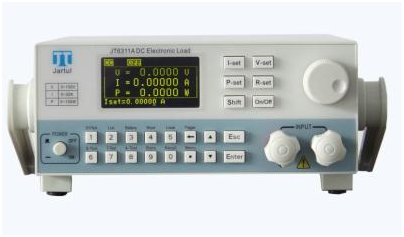
In the world of electronics testing, especially when it comes to power supplies, batteries, and other power sources, a programmable DC electronic load plays a crucial role. These devices simulate various loads on power sources, allowing engineers and technicians to test, evaluate, and verify performance. In this article, we’ll break down the concept of a programmable DC electronic load through a series of questions and concise answers.
What is a Programmable DC Electronic Load?
A programmable DC electronic load is a versatile device that mimics the behavior of various types of loads on power supplies. It’s used for testing and evaluating different electronic components and devices, especially those that provide or regulate power.
- Functionality: It consumes energy from a DC power source while simulating different load conditions.
- Programmable: These loads allow users to adjust parameters like voltage, current, and resistance dynamically, making them suitable for a wide range of testing scenarios.
Why Do You Need a Programmable DC Electronic Load?
For anyone dealing with power supplies, batteries, solar panels, or DC-DC converters, it’s essential to know how these devices will perform under real-world load conditions. A programmable DC electronic load allows precise and repeatable simulations of these conditions, which is vital for:
- Testing power supplies: Ensuring they can handle varying loads without failure.
- Battery testing: Assessing the charge and discharge cycles of batteries.
- Thermal management: Ensuring devices under test can dissipate heat properly under heavy loads.
What Are the Types of DC Electronic Loads?
There are several types of DC electronic loads based on the control mode:
- Constant Current (CC): The load will draw a constant current regardless of changes in input voltage.
- Constant Voltage (CV): The load will maintain a constant voltage across its terminals while adjusting current.
- Constant Resistance (CR): The load simulates a fixed resistance, adjusting the current drawn according to input voltage.
- Constant Power (CP): The load draws a constant power, adjusting both current and voltage dynamically.
How Does a Programmable DC Electronic Load Work?
A programmable DC electronic load works by drawing power from a source while simultaneously adjusting its internal circuitry to simulate real-world conditions.
- Internal Components: These devices contain power transistors that dissipate energy as heat. The user can program the load to act like different electrical loads, such as resistive or inductive, by adjusting the voltage, current, or resistance.
- Feedback Mechanism: The electronic load continuously monitors its input from the power source, adjusting the load as per the programmed values.
What Are the Key Features of a Programmable DC Electronic Load?
Programmable DC electronic loads come with a variety of features that make them indispensable in testing environments. Some of these features include:
- Dynamic Testing: Allows testing under various dynamic conditions, such as pulse or transient load simulation.
- Data Logging: Tracks the performance of the device under test (DUT) over time.
- Protection Mechanisms: Includes over-current, over-voltage, and over-temperature protection to safeguard both the load and the DUT.
- High Accuracy and Precision: Ensures reliable testing with minimal errors.
Where Is a Programmable DC Electronic Load Used?
Programmable DC electronic loads find applications in numerous fields, including:
- Power Supply Testing: They help in testing power supplies to ensure they can withstand different load conditions.
- Battery Testing: Evaluating the charging and discharging characteristics of batteries, especially in applications like electric vehicles.
- Solar Panel Testing: Simulating various sunlight conditions and assessing the efficiency of solar energy systems.
- LED Testing: Evaluating the performance of LEDs by simulating real-world operational conditions.
What Are the Advantages of Using a Programmable DC Electronic Load?
Using a programmable DC electronic load comes with several benefits, including:
- Precision and Flexibility: Since these loads are programmable, they provide more control over the testing environment compared to fixed resistive loads.
- Automation: The ability to automate tests over different load conditions, saving time and improving consistency.
- Real-World Simulation: Provides a way to replicate real-world conditions, which is essential for the development and testing of power systems.
What Factors Should You Consider When Choosing a Programmable DC Electronic Load?
When selecting a programmable DC electronic load, consider the following factors:
- Voltage and Current Range: Ensure that the load can handle the voltage and current range of your device under test.
- Accuracy and Precision: Choose a load with a high degree of accuracy to ensure reliable results.
- Dynamic Response: Look for fast dynamic response times, especially if you need to simulate rapid load changes.
- Cooling Mechanism: Ensure the device has adequate cooling, especially if you’re going to run high-power tests.
What Are Some Common Questions About Programmable DC Electronic Loads?
1. How is it different from a fixed resistor load?
A programmable DC electronic load offers dynamic control over the test parameters (like voltage, current, or resistance), whereas a fixed resistor load offers only one set of parameters. This flexibility allows you to test devices under varying load conditions.
2. Can a programmable DC electronic load simulate real-world conditions like transients?
Yes, many programmable loads come with a transient simulation feature that allows you to replicate sudden changes in load or power conditions, essential for testing devices that must handle variable loads.
3. What’s the difference between constant current and constant voltage modes?
In constant current (CC) mode, the load draws a fixed current irrespective of the voltage changes, while in constant voltage (CV) mode, it maintains a fixed voltage across its terminals and adjusts the current drawn accordingly.
Conclusion
A programmable DC electronic load is a critical tool for anyone involved in testing and verifying the performance of power-related components. Its ability to simulate various load conditions, dynamically adjust parameters, and provide precise control makes it an indispensable piece of equipment in industries ranging from electronics to renewable energy.
By understanding its features, capabilities, and application areas, you can effectively incorporate programmable DC electronic loads into your testing processes, ensuring that your products and systems can meet the rigorous demands of the real world.
For more detailed insights and product specifications, you can check out this link to learn more about different models of programmable DC electronic loads available on the market.