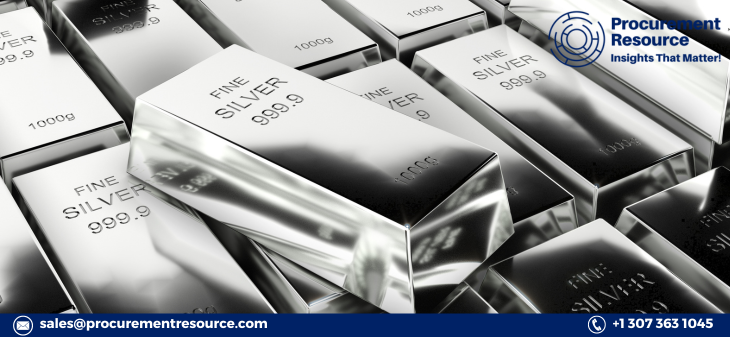
Silver is one of the most sought-after precious metals, valued not only for its use in jewelry and currency but also for its critical role in various industrial applications. From electronics and solar panels to batteries and medical devices, silver’s versatility is driving significant demand. Understanding the production costs involved in silver extraction and refinement is essential for industry stakeholders, investors, and policymakers alike. This blog delves into the various aspects of silver production costs, providing insights into the factors influencing expenses and offering a comprehensive outlook for the industry.
1. Overview of Silver Production
Silver is primarily obtained from mining operations, where it is either extracted as a primary product or as a by-product of lead, zinc, or copper mining. Silver production involves several stages, including mining, crushing, grinding, flotation, smelting, and refining. Each stage contributes to the overall cost of production, making it vital to evaluate the factors driving these costs.
2. Key Factors Influencing Silver Production Costs
Understanding the production cost of silver involves dissecting the different stages of mining and processing. Here are the critical factors influencing production costs:
Request For Sample: https://www.procurementresource.com/production-cost-report-store/silver/request-sample
a. Mining and Exploration Costs
Silver mining costs vary depending on the geological characteristics of the deposit, the depth of the ore, and the mining method used. Open-pit mining is typically less expensive than underground mining but depends on the deposit’s location and concentration. Exploration costs, including geological surveys, drilling, and feasibility studies, are a significant contributor to total production costs.
b. Labor Costs
Labor accounts for a substantial portion of silver production costs, especially in regions with higher wage standards. Countries with lower labor costs, such as Peru, Bolivia, and Mexico, may have a competitive advantage over others in this regard. Technological advancements, including automation and mechanization, can help reduce labor costs but often require significant initial investments.
c. Energy and Power Consumption
Silver production is energy-intensive, particularly in the smelting and refining stages. The cost of electricity, fuel, and other energy sources greatly impacts production expenses. Energy-efficient technologies can help reduce these costs, but fluctuations in global energy prices often make this factor highly unpredictable.
d. Raw Material and Input Costs
The cost of raw materials and other inputs, such as water, chemicals (for flotation and refining), and other consumables, also influence the overall cost of silver production. Additionally, the prices of base metals, often mined alongside silver, affect the by-product credits that offset silver production costs.
e. Environmental Compliance and Sustainability
Increasing environmental regulations and the push for sustainable mining practices have added to the operational costs of silver mining. Compliance with stricter environmental standards, waste management, water conservation, and carbon emission reduction initiatives may result in increased costs for silver producers.
f. Capital Expenditures (CapEx)
Capital expenditures related to exploration, development of mines, and the installation of processing plants are essential to producing silver. The initial setup costs are typically high, especially for new mines or expansions. Maintenance, repairs, and replacement of mining equipment also factor into CapEx costs over the life of the mine.
g. Currency Exchange Rates
Silver production costs are often influenced by currency exchange rates, especially when mining operations are in countries with currencies weaker than the US dollar. Producers can benefit from lower local costs when converting them into stronger currencies, thus reducing overall production expenses.
3. Silver Production Process
The silver production process involves several stages:
- Mining: Ore is extracted from the earth using open-pit or underground mining methods.
- Crushing and Grinding: The ore is crushed into smaller pieces and ground into powder to increase the surface area for further processing.
- Flotation: Chemical reagents are added to separate silver from other minerals in the ore.
- Smelting: The concentrated ore is heated at high temperatures to extract silver.
- Refining: Further purification is performed to achieve a high-purity silver product.
4. Cost Breakdown: Primary vs. By-Product Silver Mining
Silver is often produced as a by-product in mines focused on extracting lead, zinc, or copper. The cost of producing silver as a by-product is significantly lower because the majority of the cost is attributed to the primary metal being mined. On the other hand, primary silver mines, where silver is the main product, typically incur higher production costs.
a. Primary Silver Mining
- Higher operational costs: Dedicated infrastructure for silver extraction and refining results in higher direct costs.
- No offsetting by-product credits: Unlike by-product mining, primary silver miners do not benefit from credits generated from the sale of other metals.
b. By-Product Silver Mining
- Lower direct costs: The primary focus is on extracting base metals (like zinc, copper, or lead), with silver being an additional product.
- By-product credits: Revenues generated from base metals often offset the cost of silver production, making this method more cost-effective.
5. Regional Production Cost Comparison
Silver production costs vary significantly across regions, depending on the factors mentioned earlier, such as labor, energy, and environmental compliance. Countries like Mexico, Peru, and China have relatively lower production costs due to favorable labor conditions, lower energy prices, and established mining infrastructure. In contrast, producers in North America and Europe often face higher costs due to stricter environmental regulations and higher labor rates.
a. Mexico
- Mexico is the world’s largest silver producer, benefiting from rich silver deposits and low-cost labor. The country’s extensive mining history and favorable regulatory framework contribute to its competitive cost structure.
b. Peru
- Peru is another major silver producer with competitive production costs, owing to its large deposits and established mining infrastructure.
c. North America
- Silver production in North America tends to be more expensive due to high labor costs, stringent environmental regulations, and advanced technologies. However, the region benefits from well-developed infrastructure and access to modern equipment.
6. Trends Impacting Silver Production Costs
Several trends are shaping the future of silver production costs, including:
- Technological advancements in mining equipment and processing techniques are improving efficiency and reducing labor and energy costs.
- Sustainable mining practices are becoming more widespread, with increased focus on reducing carbon footprints and water usage. While this increases operational costs in the short term, it is expected to lead to long-term benefits.
- Rising environmental regulations are likely to push up production costs in regions where stricter rules are enforced.
Understanding silver production costs is crucial for anyone involved in the silver market, from miners to investors. Various factors, including labor, energy, and environmental regulations, significantly impact production expenses. As the demand for silver continues to rise, driven by its diverse applications in industries like electronics and renewable energy, production costs are likely to play an even more significant role in determining market trends.
The silver production industry must strike a balance between cost-efficiency and sustainability to ensure long-term profitability. With advancements in technology and a growing focus on sustainable mining practices, silver producers are well-positioned to meet the increasing demand while navigating the challenges of rising production costs.