Introduction:
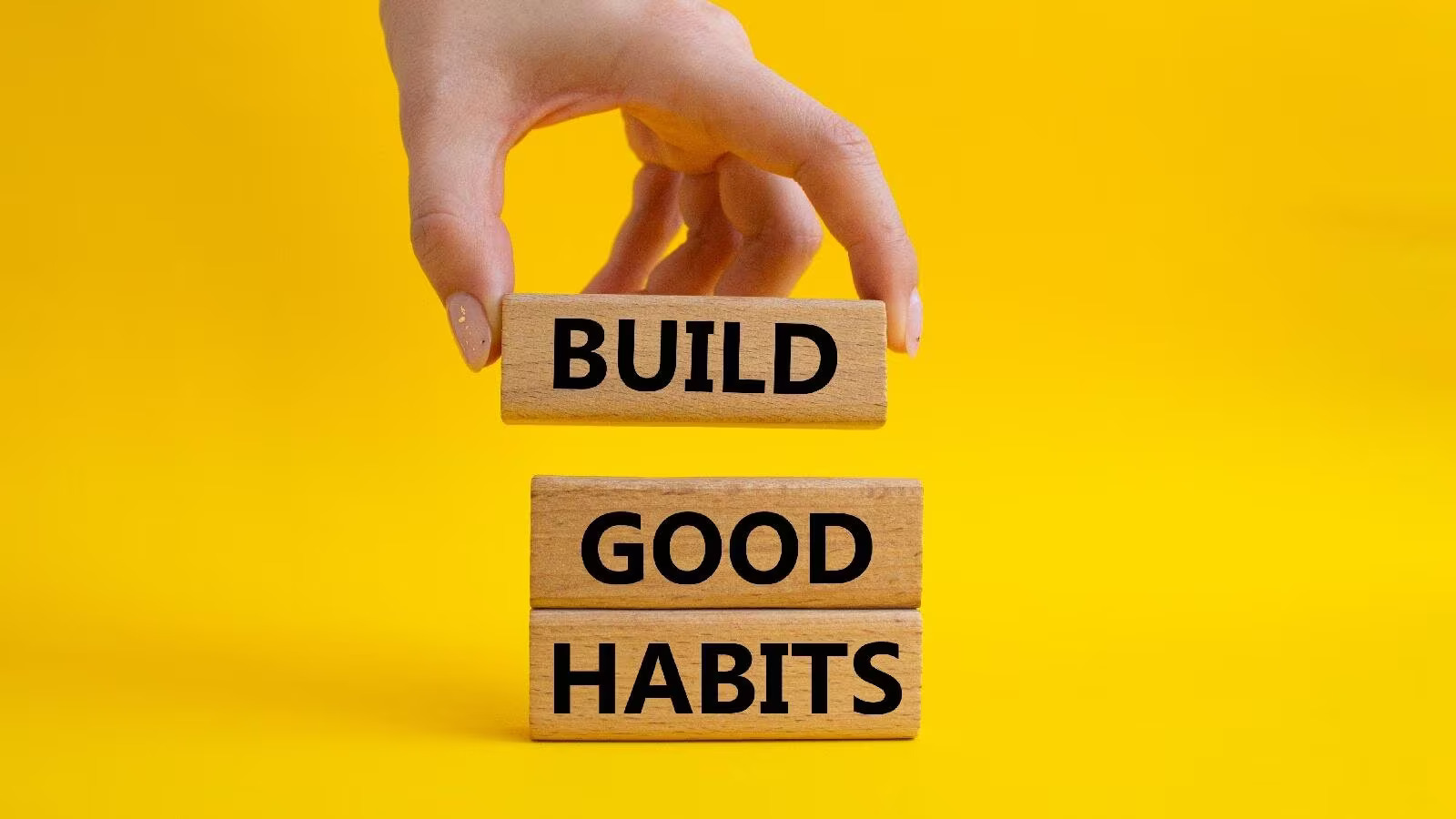
Rituals are more than just routines; they are intentional acts that hold significant meaning and impact on our lives. From morning coffee rituals to bedtime routines, these daily habits shape our thoughts, emotions, and behaviors, ultimately transforming our lives in profound ways. In this article, we delve into the power of rituals, exploring how they influence our mental, emotional, and physical well-being, supported by research and expert insights.
Understanding Rituals:
Rituals are symbolic actions performed regularly and often consecutively, imbued with personal or cultural significance. They provide structure, predictability, and comfort in an otherwise chaotic world, serving as anchors that ground us in the present moment. Whether it’s a simple morning meditation or a family dinner tradition, rituals create a sense of continuity and connection across time and space.
The Psychological Impact of Rituals:
- Reduced Anxiety and Stress:
Engaging in rituals can help alleviate anxiety and stress by providing a sense of control and predictability. Research has shown that rituals activate the brain’s reward system, releasing feel-good neurotransmitters like dopamine and oxytocin, which promote relaxation and well-being. By establishing regular rituals, individuals can create a buffer against the uncertainties and pressures of daily life.
- Enhanced Focus and Mindfulness:
Rituals encourage mindfulness, the practice of being fully present and attentive to the present moment. Whether it’s the rhythmic motion of brewing tea or the repetitive strokes of a morning jog, rituals engage the senses and draw attention away from distractions, fostering a state of focused awareness. This heightened mindfulness can improve concentration, productivity, and overall mental clarity.
Emotional Well-being:
- Strengthened Emotional Resilience:
Rituals provide a source of emotional support and stability during challenging times. Whether it’s a personal loss or a major life transition, engaging in familiar rituals can offer comfort, solace, and a sense of normalcy. By honoring traditions and rituals, individuals can navigate difficult emotions more effectively, building resilience in the face of adversity.
- Cultivated Gratitude and Positivity:
Regular rituals can cultivate a sense of gratitude and appreciation for life’s blessings. Whether it’s a daily gratitude journal or a nightly reflection practice, rituals remind us to pause, reflect, and find meaning in the ordinary moments. By focusing on what we are thankful for, rituals shift our perspective from scarcity to abundance, fostering a greater sense of joy and fulfillment.
Physical Health Benefits:
- Improved Sleep Quality:
Establishing bedtime rituals can promote better sleep hygiene and improve overall sleep quality. Activities such as reading a book, taking a warm bath, or practicing relaxation techniques signal to the body that it’s time to wind down and prepare for rest. Consistent bedtime rituals help regulate the body’s internal clock, promoting deeper, more restorative sleep.
- Healthier Lifestyle Habits:
Rituals can also support healthier lifestyle habits, such as regular exercise, nutritious eating, and stress management. By incorporating rituals into daily routines, individuals can reinforce positive behaviors and break negative patterns. Whether it’s a weekly meal prep ritual or a daily exercise routine, rituals provide structure and motivation to prioritize health and well-being.
Cultivating Meaning and Purpose:
- Connection to Values and Beliefs:
Rituals offer an opportunity to connect with one’s values, beliefs, and sense of identity. Whether rooted in religious traditions, cultural customs, or personal convictions, rituals reinforce core principles and provide a sense of belonging and purpose. By participating in rituals, individuals reaffirm their identity and deepen their connection to something greater than themselves.
- Strengthened Relationships:
Shared rituals can strengthen bonds and foster intimacy in relationships. Whether it’s a weekly family game night or a monthly dinner with friends, rituals create opportunities for connection, communication, and mutual support. By engaging in meaningful rituals together, individuals can create lasting memories and build stronger, more fulfilling relationships.
Overcoming Challenges:
- Flexibility and Adaptability:
While rituals provide comfort and stability, it’s essential to remain flexible and adaptable to change. Life is unpredictable, and circumstances may require adjustments to established routines. By maintaining a mindset of flexibility, individuals can navigate transitions and disruptions with grace and resilience, finding new ways to honor rituals in evolving contexts.
- Experimentation and Reflection:
Finding the right rituals that resonate with individual needs and preferences may require experimentation and reflection. It’s okay to explore different practices and adjust rituals over time based on feedback and personal growth. By approaching rituals with curiosity and openness, individuals can discover what brings meaning and fulfillment to their lives.
Conclusion:
Rituals have the power to transform our lives by providing structure, meaning, and connection in an increasingly complex world. From reducing anxiety and stress to enhancing emotional resilience and strengthening relationships, the benefits of rituals are vast and profound. By embracing intentional habits and incorporating meaningful rituals into our daily lives, we can cultivate a sense of purpose, well-being, and fulfillment that transcends the ordinary.
References:
– Ozawa-de Silva, C., & Silk, J. (2019). The Role of Ritual in the Evolution of Social Complexity: Five Predictions and a Drum Roll. In N. Malafouris & C. Renfrew (Eds.), The Cognitive Life of Things: Recasting the Boundaries of the Mind (pp. 173-188). McDonald Institute for Archaeological Research.
– Hobson, N. M., Schroeder, J., Risen, J. L., Xygalatas, D., & Inzlicht, M. (2017). The Psychology of Rituals: An Integrative Review and Process-Based Framework. Psychological Bulletin, 143(6), 601–639.
– Vohs, K. D., & Baumeister, R. F. (2016). Handbook of Self-Regulation: Research, Theory, and Applications (3rd ed.). Guilford Press.