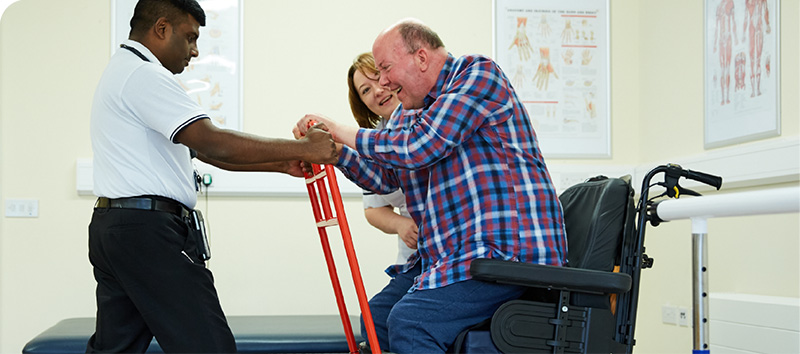
Neurological disorders impact millions of people worldwide, disrupting motor skills, cognitive abilities, and overall quality of life. In India, where cases of neurological conditions such as stroke, Parkinson’s disease, multiple sclerosis, and traumatic brain injuries are increasing, the role of physiotherapy in managing these conditions has gained significant attention.
This article explores how physiotherapy contributes to the treatment and rehabilitation of patients with neurological disorders. It highlights how timely interventions can improve outcomes for individuals and families in these complex conditions. By the end of this article, readers will better understand the specific benefits and impact of physiotherapy on neurological health.
Understanding Neurological Disorders
Neurological disorders are a group of conditions that affect the brain, spinal cord, and nerves throughout the body. These disorders can impair motor function, coordination, balance, and communication abilities. Some common neurological disorders include:
- Stroke: A condition where blood flow to a part of the brain is interrupted, leading to brain cell damage.
- Parkinson’s Disease: A progressive disorder that affects movement, often leading to tremors, stiffness, and balance issues.
- Multiple Sclerosis (MS): A condition where the immune system attacks the protective covering of nerves, disrupting communication between the brain and the rest of the body.
- Traumatic Brain Injury (TBI): Damage to the brain caused by an external force, affecting cognitive and motor functions.
- Spinal Cord Injuries: Damage to the spinal cord that can result in loss of movement, sensation, and bodily functions.
In India, the burden of neurological disorders is growing due to an aging population, lifestyle changes, and increased cases of trauma. According to the Indian Stroke Association, strokes alone account for nearly 1.8 million cases annually, highlighting the urgent need for effective rehabilitation strategies.
The Role of Physiotherapy in Neurological Rehabilitation
Physiotherapy is a cornerstone of rehabilitation for patients with neurological disorders. It focuses on restoring function, improving mobility, and enhancing the overall quality of life for individuals affected by these conditions. Physiotherapy interventions are designed based on each patient’s specific needs, taking into account the type and severity of the neurological disorder.
Neurorehabilitation combines various techniques aimed at:
- Restoring Movement and Mobility: Many neurological disorders cause partial or complete movement loss in certain body areas. Physiotherapy exercises help patients regain muscle control, improve joint mobility, and enhance overall coordination.
- Improving Balance and Coordination: Neurological conditions often result in difficulties with balance and coordination. Through targeted exercises, physiotherapists work to improve the patient’s ability to walk, stand, and move without falling.
- Enhancing Motor Skills: Neurological disorders can significantly impact fine and gross motor skills. Physiotherapy focuses on exercises that promote the development of motor skills, enabling patients to regain independence in daily activities.
- Reducing Muscle Spasticity and Pain: Conditions such as multiple sclerosis and cerebral palsy can cause muscle stiffness and pain. Physiotherapy uses stretching, manual therapy, and heat or cold therapy to reduce discomfort and improve muscle flexibility.
- Promoting Neuroplasticity: One critical goal of physiotherapy in neurological rehabilitation is to encourage neuroplasticity, which refers to the brain’s ability to reorganize itself by forming new neural connections. This can lead to improved function and compensatory mechanisms after injury.
In cities like Pune, where healthcare infrastructure is growing, The Physio9 Clinic, a neuro rehabilitation in Pune, offers specialized physiotherapy services designed to meet the complex needs of neurological patients.
Techniques and Approaches in Neurological Physiotherapy
Physiotherapists use a variety of techniques to deal with the challenges posed by neurological disorders. Each approach is tailored to the individual’s specific condition, considering factors such as age, level of disability, and overall health. Below are some key techniques used in neurological physiotherapy:
a. Bobath Concept
The Bobath concept, also known as neurodevelopmental treatment (NDT), is widely used in treating patients with neurological disorders. It is based on the principle that damaged brain areas can be retrained by encouraging the use of unaffected areas to take over the lost functions. The Bobath approach focuses on:
- Improving muscle tone and posture.
- Encouraging normal movement patterns.
- Preventing compensatory movements that can lead to further complications.
This method is particularly beneficial for stroke patients, as it helps them relearn motor skills and regain functional independence.
b. Constraint-Induced Movement Therapy (CIMT)
Constraint-Induced Movement Therapy is a technique designed to improve motor function in individuals who have suffered a stroke or traumatic brain injury. CIMT involves constraining the unaffected limb, forcing the patient to use the affected limb to perform various tasks. This approach helps improve the function of the impaired limb by promoting neural adaptation and increasing the use of the affected side.
c. Proprioceptive Neuromuscular Facilitation (PNF)
PNF is a treatment method that uses specific movement patterns to stimulate the neuromuscular system. It is particularly useful for patients with impaired motor function, as it helps improve strength, flexibility, and coordination. PNF patterns are designed to replicate normal functional movements, making them highly effective in neurological rehabilitation.
d. Gait Training
Gait training is a crucial component of neurological physiotherapy, especially for patients with conditions like Parkinson’s disease, spinal cord injuries, and stroke. It aims to help patients regain their walking ability or improve their walking patterns. Techniques may include treadmill training, parallel bar use, or even robotic-assisted devices.
e. Hydrotherapy
Hydrotherapy, or water-based therapy, is another effective approach in neurological physiotherapy. Water reduces the effects of gravity, making it easier for patients to move. This is particularly beneficial for individuals with mobility issues, as it allows them to exercise without the risk of falling or injuring themselves.
By incorporating these techniques into a personalized treatment plan, physiotherapists can significantly improve the functional abilities of patients with neurological disorders.
Benefits of Physiotherapy for Neurological Patients
Physiotherapy offers a range of benefits for individuals suffering from neurological disorders. These benefits extend beyond physical improvement and often have a profound impact on emotional well-being and social participation. Below are some of the key benefits:
a. Enhanced Mobility and Independence
One of the main objectives of neurological physiotherapy is to restore or improve the patient’s mobility. By enhancing their ability to move, stand, and walk independently, physiotherapy helps patients regain control over their daily activities, reducing their reliance on caregivers.
b. Improved Quality of Life
Many neurological disorders significantly affect the quality of life, both for patients and their families. Physiotherapy interventions can reduce pain and muscle stiffness and improve motor function, leading to a better quality of life for patients. Seeing their loved ones regain independence can also provide emotional relief for family members and caregivers.
c. Pain Management
Neurological conditions can cause chronic pain, particularly due to spasticity or muscle stiffness. Physiotherapy provides several techniques, such as massage, stretching, and electrical stimulation, to reduce pain and improve muscle function. These interventions are essential for enhancing patient comfort and reducing reliance on pain medication.
d. Psychological Benefits
Neurological disorders often lead to depression, anxiety, and feelings of helplessness, particularly when patients lose their independence. Physiotherapy helps patients regain a sense of control over their bodies, boosting self-esteem and confidence. Regular physical activity through therapy can also stimulate the release of endorphins, helping to improve mood and mental well-being.
e. Social Interaction and Engagement
For individuals with neurological disorders, engaging in physiotherapy sessions provides opportunities for social interaction. Group therapy sessions, where patients with similar conditions work together, can foster a sense of community and reduce feelings of isolation.
Physiotherapy not only improves physical health but also offers significant emotional and psychological benefits, making it an essential component of comprehensive care for neurological patients.
The Role of Physiotherapy in Specific Neurological Conditions
Different neurological conditions present unique challenges, and physiotherapy plays a critical role in addressing the specific needs of patients with each condition. Here, we explore the role of physiotherapy in managing some of the most common neurological disorders:
a. Stroke Rehabilitation
Stroke is one of the leading causes of disability worldwide. Physiotherapy is an integral part of stroke rehabilitation, helping patients regain mobility, improve strength, and relearn essential skills such as walking and balance. Early intervention is crucial in stroke recovery, as it can significantly improve outcomes. Techniques such as the Bobath concept, PNF, and task-specific training are commonly used in stroke rehabilitation.
b. Parkinson’s Disease
Parkinson’s disease is a progressive disorder that affects movement and coordination. Physiotherapy helps manage the symptoms of Parkinson’s, such as bradykinesia (slowness of movement), tremors, and rigidity. Exercises aimed at improving posture, balance, and gait are crucial for maintaining mobility and preventing falls. Physiotherapy can also help manage the “freezing” episodes often experienced by Parkinson’s patients, where they feel stuck in place and unable to move.
c. Multiple Sclerosis
Multiple sclerosis (MS) is a chronic autoimmune disorder that affects the central nervous system. Physiotherapy plays a key role in managing MS symptoms such as muscle weakness, fatigue, and balance issues. Individualized exercise programs that focus on strengthening, flexibility, and endurance help improve function and delay the progression of disability. Physiotherapists also provide valuable guidance on energy conservation techniques to help patients manage fatigue more effectively.
d. Spinal Cord Injuries
Spinal cord injuries (SCI) can result in partial or full loss of movement and sensation below the point of injury. Physiotherapy is critical for increasing healing and preventing secondary problems, including muscle atrophy and joint contractures. Gait training, muscle strengthening, and functional electrical stimulation (FES) are commonly used to improve mobility and independence in SCI patients. Early and consistent physiotherapy is critical for optimizing functional outcomes.
e. Cerebral Palsy
Cerebral palsy (CP) is a group of disorders that affect movement and coordination, typically due to brain injury that occurs during birth or early childhood. Physiotherapy is a cornerstone of CP management, helping children and adults improve motor function, reduce muscle spasticity, and enhance quality of life. Techniques such as stretching, strengthening, and the use of assistive devices are essential for promoting independence in individuals with CP.
Challenges and Future Directions in Neurological Physiotherapy
While physiotherapy has made significant strides in the treatment of neurological disorders, several challenges remain. These include the need for more personalized treatment plans, access to specialized care in rural areas, and the ongoing research required to optimize rehabilitation techniques.
a. Personalized Rehabilitation Plans
Every neurological disorder affects individuals differently, requiring highly personalized treatment plans. While some patients may respond well to traditional techniques, others may need more advanced interventions, such as robotic-assisted therapy or virtual reality-based exercises. The issue is personalizing therapy to each patient’s needs while ensuring that it can be adapted as the illness advances.
b. Access to Care
In India, access to specialized physiotherapy care is often limited to urban centers such as Pune, Delhi, and Mumbai. Rural areas face a shortage of trained physiotherapists and rehabilitation facilities, making it difficult for individuals with neurological disorders to receive timely and effective treatment. Efforts to expand access to neuro rehabilitation in Pune and other cities are essential to improving outcomes for patients nationwide.
c. Ongoing Research and Innovation
The field of neurological physiotherapy is continually evolving, with new research and innovations shaping the way rehabilitation is delivered. For example, advancements in neuroplasticity research are leading to more effective interventions for stroke patients, while technologies such as exoskeletons and brain-computer interfaces hold promise for improving mobility in individuals with spinal cord injuries. Continued investment in research and the development of new rehabilitation tools will be crucial for advancing care.
Conclusion
Physiotherapy plays an essential role in the treatment and rehabilitation of individuals with neurological disorders. Through various techniques and approaches, physiotherapists help patients regain mobility, improve motor function, manage pain, and enhance their overall quality of life. In India, where neurological disorders are on the rise, access to specialized care could make a great difference in the lives of families and individuals affected by these conditions.
Book an appointment with our expert at The Physio9 Clinic for more information about neuro rehabilitation in Pune.
Author: The Physio9 Clinic
Clinic Name: The Physio9 Clinic
Address: The Physio9 Clinic ®, B-201 , Town Square, VIP Airport Road, Above Dorabjee, Viman nagar Pune-411014 India.
Phone Number: 85510 06633
Social Links: https://www.instagram.com/physio9clinic/