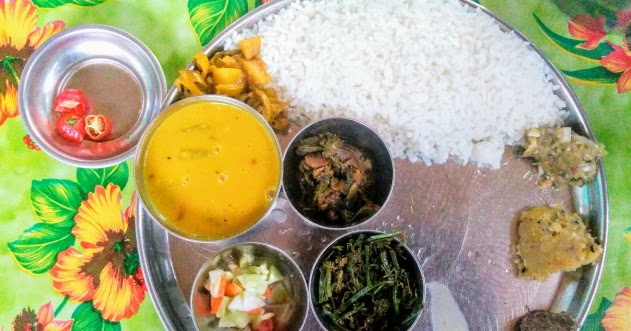
Sikkim, a small yet captivating state nestled in the northeastern part of India, offers a rich cultural heritage and a delightful culinary experience. Surrounded by the majestic Himalayas, the food of Sikkim is a reflection of the region’s diverse ethnic groups, rich traditions, and natural resources. Sikkim food is an amalgamation of Tibetan, Nepali, and Bhutanese influences, with unique flavors that are distinct, simple, and incredibly delicious.
From spicy stews and soups to sweet treats, Sikkimese cuisine offers a variety of dishes that cater to every palate. Whether you are a fan of vegetarian fare or prefer meat-based meals, Sikkim food promises to take you on an unforgettable culinary journey. Let’s explore the most popular dishes and food culture of this beautiful hill state.
The Influence of Sikkim’s Culture on Its Cuisine
The cuisine of Sikkim is deeply influenced by the cultural diversity of its people. The state is home to several ethnic groups, including the Nepali, Bhutia, Lepcha, and Tibetan communities, and each of these communities has contributed to the region’s culinary view.
- Tibetan Influence: The Tibetan community in Sikkim has greatly influenced the food culture. Dishes like momos (dumplings) and thukpa (noodle soup) are staples in Sikkimese homes, served with a range of vegetables and meats. The traditional Sikkimese tea, cha, also shares strong ties with Tibetan culinary traditions.
- Nepali Influence: Nepali cuisine has also left a strong imprint on Sikkim’s food scene. Dishes like dal bhat (lentils and rice) and sel roti (a traditional sweet rice doughnut) are commonly enjoyed by locals and visitors alike. The spice level in Sikkim food can be quite high, with chili and mustard oil used generously.
- Bhutanese Influence: Bhutanese food culture has influenced the Sikkimese palate, especially in the use of fermented foods. Dishes like Ema Datshi, a spicy cheese and chili dish, are popular.
Popular Sikkim Food Dishes
1. Momos (Dumplings)
One of the most famous and beloved dishes in Sikkim is momos. These are steamed or fried dumplings filled with either vegetables, chicken, pork, or beef. They are typically served with a spicy chutney that complements the flavors of the momos. Momos are available at almost every street corner, restaurant, and local market, making them a favorite snack for both locals and tourists. The dough is light and soft, and the filling is flavorful, making momos a must-try when visiting Sikkim.
2. Thukpa (Noodle Soup)
Thukpa is another staple of Sikkim food, especially popular during the colder months. This noodle soup is a hearty and comforting dish made with meat or vegetables, along with a flavorful broth, and is typically garnished with fresh herbs and chilies. Thukpa is a Tibetan-influenced dish and can be served with a variety of ingredients such as chicken, pork, or beef. It’s perfect for a quick meal or as a soothing comfort food on a chilly day.
3. Phagshapa (Pork with Radish)
Phagshapa is a traditional Sikkimese dish made from tender pieces of pork, cooked with fresh radish and spices. The pork is typically simmered with mustard oil, garlic, ginger, and a blend of local spices, giving it a rich, hearty flavor. Phagshapa is often served with steamed rice, making it a filling and satisfying meal. The combination of the smoky pork and the crunch of radish creates a delightful contrast, which is loved by locals and tourists alike.
4. Sel Roti (Sweet Rice Doughnut)
Sel Roti is a traditional Nepali sweet rice doughnut that is commonly prepared during festivals and special occasions in Sikkim. Made from rice flour, sugar, milk, and cardamom, sel roti is deep-fried to golden perfection, resulting in a crispy outer texture and a soft, fluffy interior. It is often enjoyed with a cup of tea or as a dessert during meals. This sweet treat is a perfect example of the fusion of different cultures in Sikkim food.
5. Dal Bhat (Rice and Lentils)
Dal Bhat is a simple but essential dish in Sikkimese homes, especially among the Nepali community. The dish consists of steamed rice (bhat) served with dal (lentils), along with a side of vegetable curry, chutney, and sometimes meat. It is a wholesome and nutritious meal, offering a balance of protein, carbohydrates, and essential vitamins. Dal bhat is often eaten twice a day in many households, and it is considered a comfort food for the Sikkimese people.
6. Gundruk and Sinki (Fermented Vegetables)
Gundruk and sinki are fermented leafy vegetables that are integral to Sikkim food, especially in rural areas. These fermented vegetables are made from mustard leaves or radish leaves, and they have a sour, pungent flavor that is loved by many locals. Gundruk is often used in soups or served as a side dish, while sinki is made into a pickle or added to stews. These dishes reflect the influence of Bhutanese food culture, as fermentation plays a significant role in the region’s cuisine.
7. Chhurpi (Cheese)
Sikkim is known for its unique chhurpi, a traditional cheese made from yak or cow milk. It has a hard, chewy texture and is often used in soups, stews, or eaten as a snack. There are two types of chhurpi—soft chhurpi, which is used in soups, and hard chhurpi, which is often chewed like a snack. The cheese is a rich source of protein and is a favorite among the locals, especially in rural areas.
8. Aloo Dum (Spicy Potatoes)
Aloo Dum is a spicy potato dish that is loved by many in Sikkim. The potatoes are cooked in a flavorful gravy made with a variety of spices, including cumin, coriander, turmeric, and garam masala. It’s a vegetarian delight and is often served with steamed rice or roti. The dish can be enjoyed as a main course or as an accompaniment to other Sikkimese meals. Its deep, rich flavors and spicy kick make it a popular choice among food lovers.
9. Sikkimese Tea
Sikkim is also known for its tea, which has become popular worldwide. The state’s tea gardens, particularly in the areas of Temi, produce some of the finest quality teas in India. The Sikkim tea is often of the green tea or black tea variety, with a mild, smooth flavor that is distinct. Locals drink tea throughout the day, and it is often served with a side of sweets like sel roti or chhurpi. The tea is known for its refreshing taste and is perfect for sipping while relaxing in the beautiful hills of Sikkim.
The Role of Spices in Sikkim Food
Spices are an essential part of Sikkim food. The use of mustard oil, green chilies, ginger, garlic, and local herbs adds depth and flavor to the dishes. Sikkimese cuisine may not be as fiery as some other regional Indian cuisines, but it certainly has a bold and unique flavor profile. The use of fresh, locally grown ingredients, including herbs and vegetables, enhances the overall taste of the food and makes it a memorable experience for anyone visiting Sikkim.
Conclusion
Sikkim food is a delightful mix of flavors, textures, and traditions that reflect the state’s rich cultural diversity. Whether you are enjoying a steaming bowl of thukpa, savoring the delicate flavors of phagshapa, or indulging in a sweet bite of sel roti, the cuisine of Sikkim offers a unique taste of the Himalayas. The fusion of Tibetan, Nepali, and Bhutanese influences, combined with the local ingredients and cooking techniques, makes Sikkim food a must-try for food lovers and adventurers alike. So, the next time you visit this stunning state, make sure to explore its culinary landscape and enjoy the authentic and unforgettable flavors of Sikkim food!