The Role of Oxygen in Enhancing Athletic Performance
 camilabelle
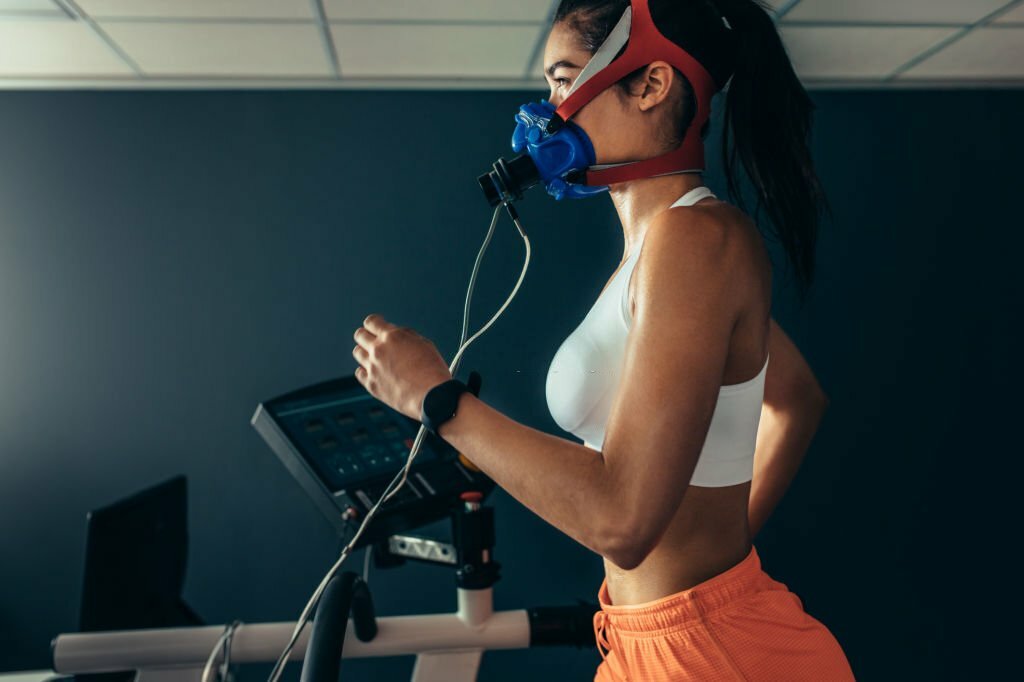
Oxygen is vital for life, but its role extends far beyond basic survival. For athletes, the efficient use of oxygen can significantly enhance performance, endurance, and recovery. Whether it’s boosting stamina for long-distance runs or supporting muscle repair after intense workouts, oxygen plays an essential part in athletic success. This article explores the relationship between oxygen and athletic performance, examining the science behind oxygen utilization, the ways athletes can optimize oxygen use, and the emerging technologies that support these efforts.
The Science of Oxygen in Sports
Oxygen is crucial for energy production in the body. At the cellular level, it helps produce adenosine triphosphate (ATP), the energy molecule that powers muscle contractions. This process occurs through two main energy systems: the aerobic and anaerobic systems.
Aerobic vs. Anaerobic Energy Systems
The aerobic system relies on oxygen to generate energy for sustained, moderate-intensity activities like running, cycling, or swimming. During these activities, the body uses oxygen to convert glucose and fat into ATP, providing long-lasting energy. The anaerobic system, on the other hand, operates without oxygen and is used for short bursts of high-intensity effort, such as sprinting or weightlifting. Both energy systems are essential, but the aerobic system is particularly important for endurance athletes who aim to maximize their oxygen usage for extended periods.
VO2 Max and Performance
One of the most important metrics for athletes is VO2 max, which measures the maximum amount of oxygen an individual can utilize during intense exercise. VO2 max is often used as an indicator of cardiovascular fitness. A higher VO2 max suggests a greater capacity for endurance, meaning an athlete can perform at a higher intensity for longer periods before fatigue sets in. Improving VO2 max, therefore, is a key focus for athletes aiming to optimize oxygen use during performance.
Factors Affecting Oxygen Utilization
Several factors influence how effectively the body can utilize oxygen during exercise:
Hemoglobin and Red Blood Cells
Hemoglobin is the protein in red blood cells responsible for transporting oxygen from the lungs to the muscles. The more hemoglobin an athlete has, the better their oxygen delivery system functions. This is why athletes, particularly those in endurance sports, focus on maintaining high levels of red blood cells and hemoglobin.
Lung Capacity
Lung capacity, or the amount of air the lungs can hold, also plays a key role in oxygen intake. Athletes with larger lung capacity can inhale more air per breath, increasing the amount of oxygen available for energy production. Training to improve lung function is essential for athletes aiming to enhance performance.
Blood Circulation and Capillary Density
Efficient circulation ensures that oxygen-rich blood reaches the muscles where it is needed most. Regular endurance training can increase capillary density (the number of small blood vessels within muscle tissue), allowing for better oxygen exchange at the muscle level.
Practical Ways to Optimize Oxygen Utilization
There are several ways athletes can improve their oxygen efficiency and enhance their performance:
1. Altitude Training
Training at high altitudes, where the oxygen level is lower, forces the body to adapt by increasing red blood cell production. These adaptations improve oxygen transport and aerobic capacity. Once athletes return to sea level, they often experience a significant performance boost due to the increased red blood cell count, which enhances oxygen delivery to muscles.
2. Breathing Techniques
Mastering proper breathing can have a profound impact on oxygen intake during physical exertion. Some effective techniques include:
- Diaphragmatic Breathing: This involves breathing deeply into the diaphragm rather than shallow chest breathing. It increases lung capacity and improves oxygen absorption.
- Nasal Breathing: Breathing through the nose can help slow the breathing rate, ensuring more efficient oxygen exchange and minimizing fatigue.
3. Interval Training
High-Intensity Interval Training (HIIT) involves alternating short bursts of intense exercise with periods of rest. This training technique helps the body become more efficient at utilizing oxygen and improves both aerobic and anaerobic capacity. Over time, athletes find that they can maintain higher intensities for longer periods without succumbing to fatigue.
4. Supplemental Oxygen
In certain high-performance sports, athletes use supplemental oxygen to aid in recovery. This is particularly useful after intense training or competition, as oxygen helps reduce muscle fatigue, clear metabolic byproducts like lactic acid, and accelerate the healing process. Though its use is somewhat controversial, studies suggest that supplemental oxygen can enhance recovery for athletes involved in extreme exertion sports.
Emerging Technologies in Oxygen Monitoring
With the rise of wearable technology, athletes can now monitor their oxygen levels in real-time, allowing for more precise adjustments in training and recovery.
Pulse Oximeters
Devices like pulse oximeters measure blood oxygen saturation, providing athletes and coaches with immediate feedback on how well the body is utilizing oxygen during exercise. This data can help optimize training intensity, ensuring athletes work within their target zones.
Hypoxic Chambers
Hypoxic chambers simulate high-altitude conditions by reducing oxygen levels, forcing the body to adapt to the reduced availability of oxygen. Many professional athletes use these chambers to replicate altitude training without traveling to high altitudes, enabling them to reap the benefits of increased red blood cell production and improved oxygen delivery.
Portable Oxygen Analyzers
Portable devices that measure VO2 max and other metrics allow athletes to assess their performance outside of a lab setting. These tools help athletes and trainers track improvements in oxygen utilization over time, leading to more effective, data-driven training regimens.
The Role of Oxygen in Recovery
Oxygen is just as important in recovery as it is during exercise. After intense physical activity, the body needs oxygen to repair muscles, reduce inflammation, and clear metabolic waste products. One method gaining attention is hyperbaric oxygen therapy (HBOT), which involves breathing 100% oxygen in a pressurized environment. This therapy accelerates healing by increasing oxygen levels in tissues, making it especially useful for injured athletes.
Challenges and Considerations
While optimizing oxygen in sports provides clear benefits, there are potential challenges and ethical considerations:
- Over-reliance on Supplemental Oxygen: Excessive use of supplemental oxygen could interfere with the body’s natural oxygen regulation mechanisms, leading to long-term consequences.
- Doping Risks: Some athletes attempt to enhance oxygen delivery through blood doping or other illegal methods, which can have severe health consequences and are banned in most sports.
- Individual Variability: Not all athletes respond the same way to oxygen-enhancing strategies, making it essential to tailor approaches to each individual’s needs and abilities.
Conclusion
Oxygen plays a crucial role in athletic performance, from fueling muscles during exercise to aiding in post-workout recovery. Athletes who optimize their oxygen utilization through training, technology, and recovery strategies can gain a competitive edge. Whether through altitude training, improved breathing techniques, or the use of cutting-edge oxygen-monitoring devices, athletes today have a wealth of tools at their disposal to enhance performance. As research in oxygen utilization continues to evolve, the potential for boosting athletic performance and recovery is greater than ever before.
Understanding the importance of oxygen in sports and applying these strategies can help athletes perform at their peak and achieve their goals.