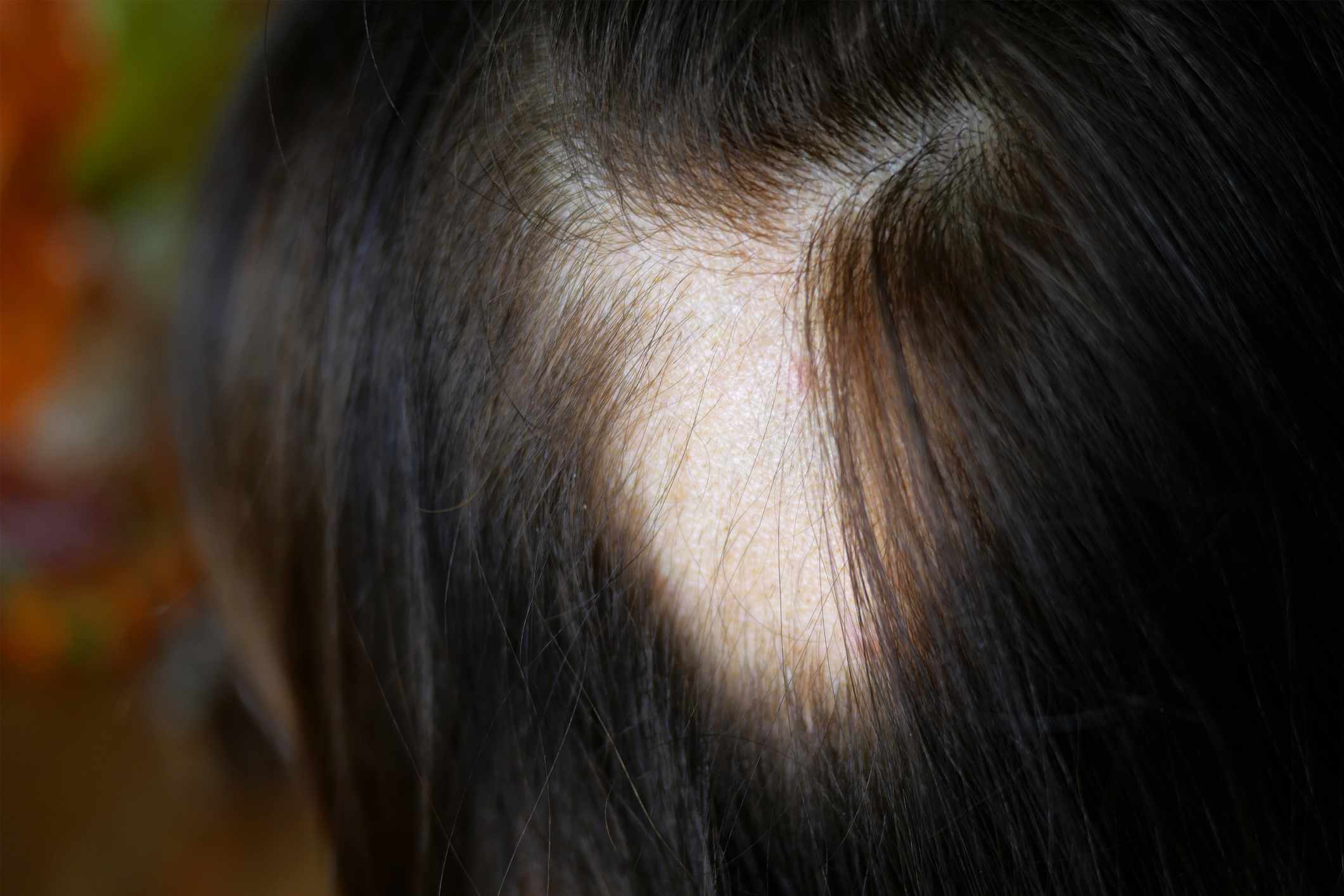
Hair loss is a common issue that affects millions of people worldwide, both men and women. One of the most effective treatments for male pattern baldness, or androgenetic alopecia, is Finasteride For Hair Loss Dubai. This article delves into what finasteride is, how it works to treat hair loss, its potential benefits, side effects, and important considerations for those thinking about using it.
Understanding Finasteride:
Finasteride is a prescription medication primarily used to treat hair loss in men, particularly male pattern baldness. It is also used for treating an enlarged prostate (benign prostatic hyperplasia or BPH). The drug works by affecting certain hormones in the body, specifically the enzyme 5-alpha-reductase, which plays a key role in hair loss.
The Role of DHT in Hair Loss:
To understand how finasteride works, it’s important to know about dihydrotestosterone (DHT), a hormone that contributes significantly to hair loss. DHT is a derivative of testosterone, produced when the enzyme 5-alpha-reductase converts testosterone into DHT. High levels of DHT can cause hair follicles on the scalp to shrink, leading to thinner hair and, eventually, hair loss.
In men, especially those genetically predisposed to male pattern baldness, DHT affects the hair follicles on the scalp, particularly at the temples and crown. As these follicles shrink, hair growth slows down, and over time, they stop producing hair altogether.
How Does Finasteride Work for Hair Loss?
Finasteride works by inhibiting the action of the 5-alpha-reductase enzyme, which prevents the conversion of testosterone into DHT. By reducing DHT levels, finasteride helps prevent hair follicles from shrinking, which allows them to continue producing hair. In some cases, finasteride can even stimulate the growth of new hair.
Blocking DHT Production:
Finasteride is classified as a 5-alpha-reductase inhibitor. By blocking the enzyme, it reduces DHT production in the scalp, which helps prevent further hair loss. With DHT levels decreased, hair follicles can return to their normal size, and hair growth may resume. However, it’s important to note that finasteride does not reverse baldness entirely but helps to halt the progression of hair loss and can encourage new hair growth in some users.
Restoring Hair Growth:
While finasteride is primarily used to stop hair loss, many users also experience regrowth of hair, particularly in the crown and vertex areas of the scalp. It is most effective when used in the early stages of hair loss, and results typically take several months to become noticeable. Clinical studies show that about 65-90% of men who use finasteride experience either hair regrowth or stabilization of their hair loss.
Benefits of Finasteride for Hair Loss:
Finasteride has several benefits that make it a popular treatment for hair loss.
Proven Effectiveness:
Numerous clinical studies have shown that finasteride is effective in halting the progression of male pattern baldness and promoting hair regrowth. One study published in the Journal of the American Academy of Dermatology found that nearly 90% of men who used finasteride for a year experienced either a reduction in hair loss or new hair growth.
Convenience of Oral Administration:
Unlike topical treatments like minoxidil, which require daily application to the scalp, finasteride is taken orally in the form of a pill. This makes it more convenient for people who prefer not to deal with the hassle of applying medication directly to their scalp every day.
Long-Term Solution:
Finasteride can be used as a long-term solution for hair loss. Many users experience sustained results as long as they continue taking the medication. However, if the medication is stopped, hair loss may resume within months.
Side Effects of Finasteride:
While finasteride is generally well-tolerated, it can cause side effects in some individuals. It is important to be aware of these potential issues before starting treatment.
Common Side Effects:
- Sexual side effects: These can include decreased libido, erectile dysfunction, and reduced ejaculate volume. These side effects occur in a small percentage of men (approximately 2-5%) and are often temporary.
- Breast tenderness or enlargement: Some users may experience changes in breast tissue, including swelling or tenderness.
- Depression or mood changes: Although rare, some individuals report experiencing mood changes, including depression and anxiety, while using finasteride.
Rare but Serious Side Effects:
- Allergic reactions: While uncommon, finasteride may cause allergic reactions such as rash, itching, or swelling of the lips and face.
- Gynecomastia: In rare cases, finasteride may cause the development of breast tissue in men, a condition called gynecomastia.
It is important to note that many of these side effects are reversible after discontinuing the medication. However, if any persistent or concerning side effects occur, it is crucial to consult a healthcare provider.
Considerations Before Taking Finasteride:
Before starting finasteride, there are several important considerations to keep in mind.
Consult a Healthcare Provider:
Since finasteride is a prescription medication, it is essential to consult with a doctor before using it. A healthcare provider will assess your medical history, evaluate your hair loss pattern, and determine whether finasteride is the right treatment for you.
Potential Effects on Pregnancy:
Finasteride is not recommended for women, especially those who are pregnant or may become pregnant, as it can cause birth defects. Pregnant women should avoid handling crushed or broken finasteride tablets due to the risk of absorption through the skin.
Long-Term Commitment:
Finasteride is most effective when used consistently over a long period. Users need to understand that it may take several months before visible results appear, and continued use is necessary to maintain those results. If the medication is discontinued, hair loss may return within a few months.
Cost and Accessibility:
Finasteride is available in generic forms, which can make it an affordable option for many people. However, since it is a prescription medication, it requires a visit to a healthcare provider and regular checkups to monitor its effectiveness and any potential side effects.
Conclusion:
Finasteride For Hair Loss in Dubai is a proven and effective treatment for male pattern baldness, offering many men a way to slow or stop hair loss and even promote hair regrowth. By inhibiting the enzyme responsible for converting testosterone into DHT, finasteride helps preserve hair follicles and maintain hair growth. While it can have side effects, most are temporary and reversible, making finasteride a viable option for many men experiencing hair loss. As with any medication, it’s essential to consult a healthcare provider before starting finasteride to ensure it’s the right treatment for your specific condition.