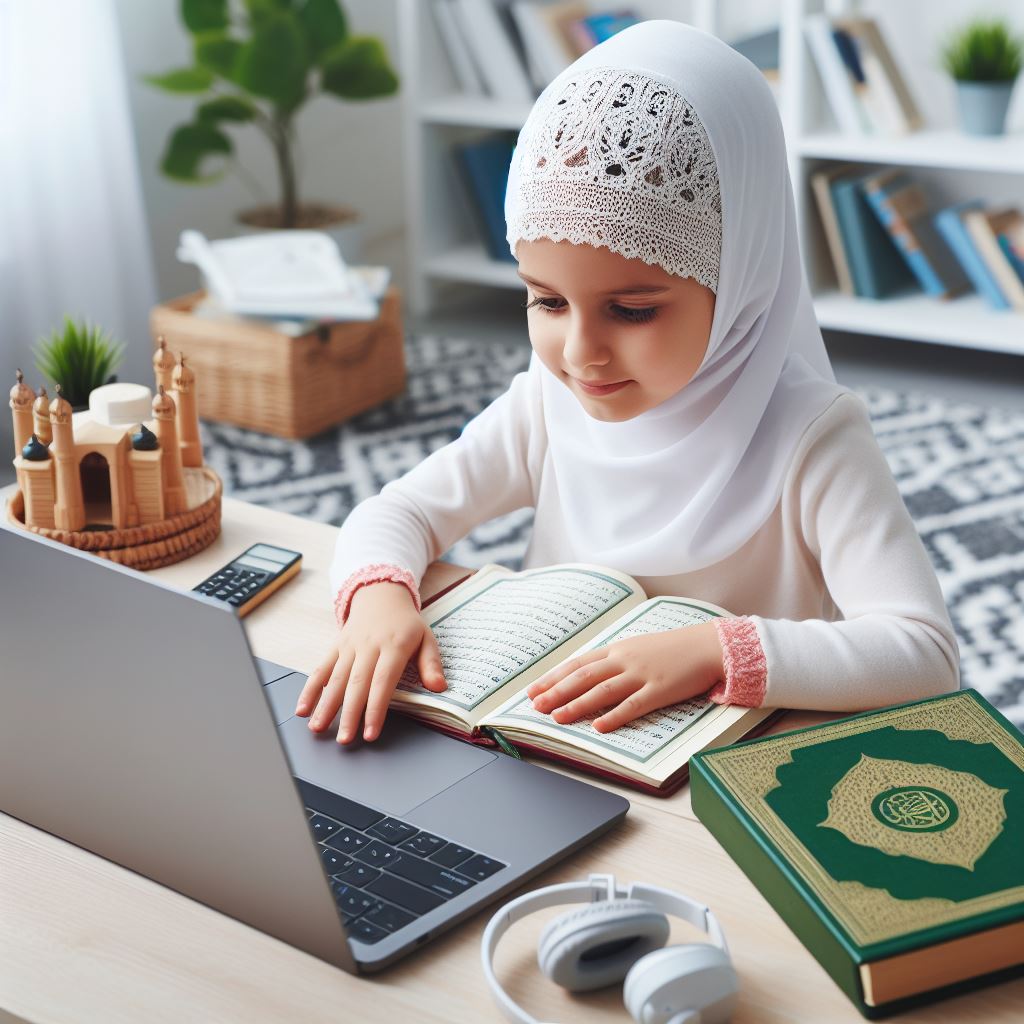
Islamic studies for kids provide an essential foundation for understanding and practicing Islam in daily life. As parents and educators, it is our responsibility to introduce children to the teachings of Islam in a way that is engaging, age-appropriate, and meaningful. This education shapes their moral compass, strengthens their faith, and prepares them to lead lives guided by Islamic values.
The Importance of Islamic Studies for Kids
- Building a Strong Connection with Allah
Islamic studies help children develop a deep relationship with Allah by teaching them about His attributes, blessings, and guidance. Early exposure to Islamic principles fosters a sense of spirituality and reliance on Allah in all aspects of life.
- Instilling Moral Values
The teachings of Islam emphasize honesty, kindness, respect, and compassion. By learning these values, children are better equipped to interact positively with others and navigate life’s challenges.
- Understanding Islamic Practices
Through Islamic studies, children learn about acts of worship, including prayer, fasting, and charity. This knowledge helps them understand the significance of these practices and incorporate them into their daily routines.
- Preserving Cultural and Religious Identity
In today’s multicultural world, Islamic studies enable children to understand and embrace their religious identity with pride. It provides them with the confidence to practice their faith and share it with others respectfully.
Topics Covered in Islamic Studies for Kids
Islamic studies for kids typically cover a wide range of subjects to provide a comprehensive understanding of the faith:
- Quranic Studies: Teaching kids to recite, memorize, and understand the Quran.
- Hadith and Sunnah: Learning about the sayings and practices of Prophet Muhammad (PBUH).
- Seerah (Life of the Prophet): Exploring the biography of the Prophet Muhammad (PBUH) to draw lessons from his life.
- Fiqh (Islamic Jurisprudence): Introducing the basics of halal and haram, prayer, and other daily practices.
- Islamic History: Learning about significant events, figures, and contributions of Muslims throughout history.
- Manners and Ethics: Teaching children about Islamic etiquettes, such as respect for parents, kindness to neighbors, and honesty.
Benefits of Islamic Studies for Kids
- Strengthening Faith
Islamic studies nurture a child’s faith, helping them understand their purpose in life and their relationship with Allah.
- Developing Discipline
Learning about the importance of prayer, fasting, and other acts of worship instills discipline and responsibility in children.
- Promoting Social Awareness
Islamic teachings about charity and community service inspire children to care for others and contribute positively to society.
- Encouraging Lifelong Learning
The study of Islam encourages children to seek knowledge throughout their lives, aligning with the Islamic principle that learning is a form of worship.
The Role of Online Platforms in Islamic Studies
With the advent of digital learning, online platforms have made Islamic studies for kids more accessible and flexible. These platforms offer:
- Qualified Tutors: Experienced teachers who specialize in engaging young learners.
- Interactive Tools: Engaging methods such as videos, quizzes, and games to make lessons enjoyable.
- Flexible Scheduling: Classes that fit seamlessly into family routines.
Conclusion
Islamic studies for kids play a vital role in nurturing young Muslims to grow into responsible, knowledgeable, and spiritually aware individuals. By providing children with a strong foundation in Islamic teachings, parents and educators prepare them to lead meaningful lives guided by faith and values.
Whether through traditional classes or modern online programs, investing in Islamic education for kids is an investment in their future—both in this world and the Hereafter.