A Comprehensive Guide to Physiotherapy Equipment: Enhancing Recovery and Rehabilitation

Physiotherapy plays a vital role in helping individuals recover from injuries, manage chronic conditions, and improve overall physical health. The success of physiotherapy treatment often depends on the tools and equipment used during rehabilitation sessions. Physiotherapy equipment is specifically designed to aid in pain relief, mobility enhancement, muscle strengthening, and overall rehabilitation. This article delves into the various types of physiotherapy equipment and their importance in the recovery process.
The Role of Physiotherapy Equipment
Physiotherapy equipment is an essential part of any physiotherapy clinic or rehabilitation center. These tools aid physiotherapists in assessing, diagnosing, and treating various physical conditions. The right equipment can help increase the effectiveness of treatment plans, improve patient outcomes, and speed up the recovery process. Whether used for pain management, rehabilitation after surgery, or treating musculoskeletal disorders, physiotherapy equipment plays a key role in restoring mobility and function.
Types of Physiotherapy Equipment
- Therapeutic Ultrasound Machines
Therapeutic ultrasound is a common physiotherapy modality used for pain relief, tissue healing, and muscle relaxation. These machines emit high-frequency sound waves that penetrate the skin, promoting blood flow, reducing inflammation, and speeding up the healing process. Ultrasound therapy is especially useful in treating soft tissue injuries, joint conditions, and tendonitis. - Electrical Stimulation Devices
Electrical stimulation is often used to relieve pain, reduce muscle spasms, and improve muscle strength. Devices such as Transcutaneous Electrical Nerve Stimulation (TENS) and Neuromuscular Electrical Stimulation (NMES) are frequently used in physiotherapy settings. TENS works by sending electrical pulses through the skin to block pain signals, while NMES stimulates muscle contraction to strengthen muscles and improve function. - Therapeutic Tapes
Kinesiology taping is another commonly used tool in physiotherapy. This elastic therapeutic tape is applied to the skin to support muscles, joints, and ligaments without restricting movement. It helps in reducing pain and swelling, promoting circulation, and enhancing recovery from injuries. Kinesiology tape is especially popular in sports rehabilitation. - Exercise Equipment
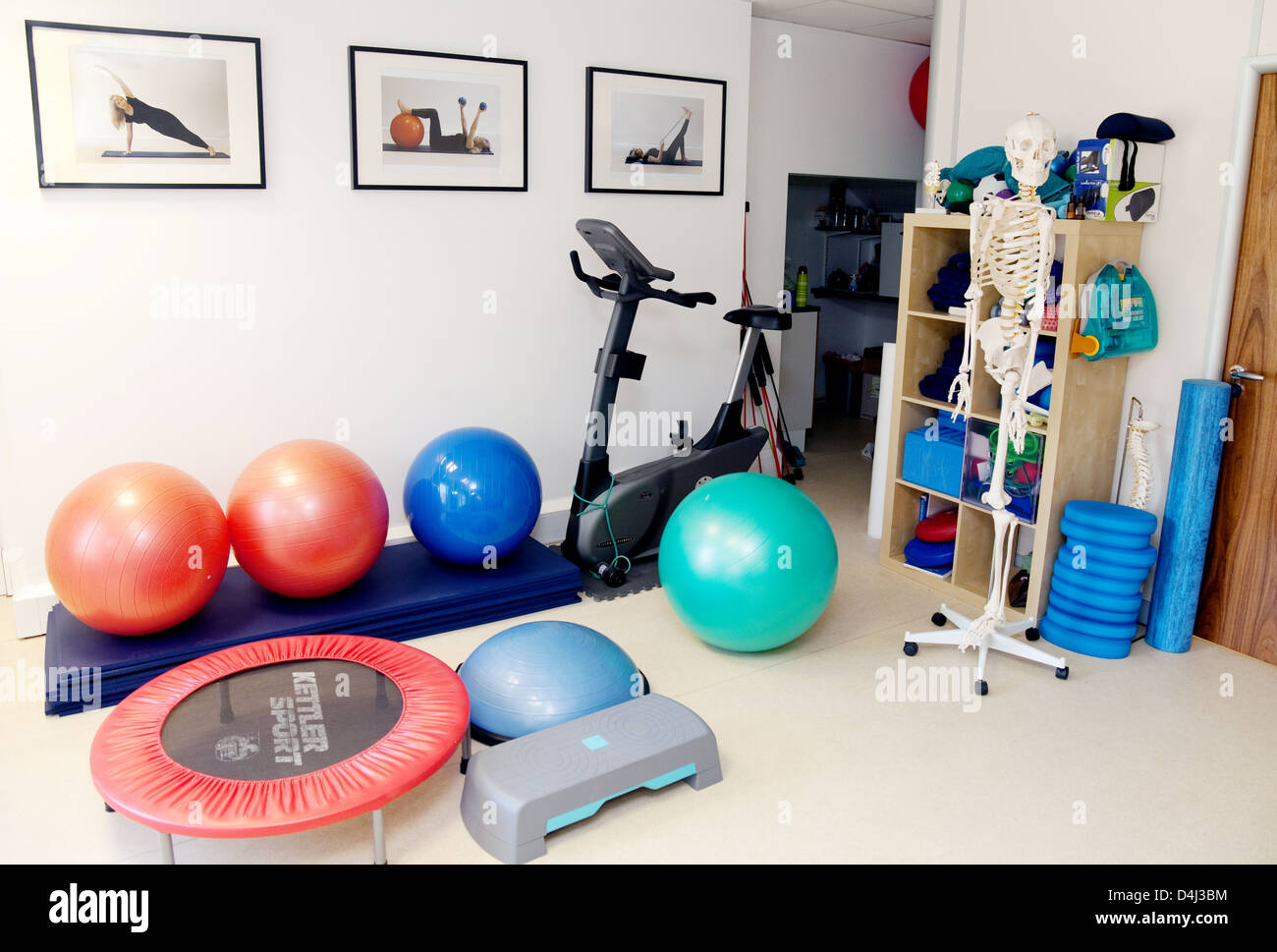
Rehabilitation often involves strengthening exercises and muscle retraining. Exercise equipment such as resistance bands, dumbbells, balance boards, and stationary bikes are commonly used in physiotherapy. These tools help improve flexibility, strength, and endurance while also aiding in joint stability. Balance boards and stability balls are particularly effective in improving proprioception and coordination, which are crucial for injury prevention. - Heat and Cold Therapy Units
Heat and cold therapy are foundational in managing pain and inflammation. Physiotherapy clinics often use hot packs, cold packs, or contrast baths for localized treatment. Heat therapy promotes relaxation and increases blood flow to tissues, while cold therapy helps reduce swelling and numbs pain. Cold packs and hot packs are essential in the acute phase of injury treatment and post-operative rehabilitation. - Traction Devices
Traction therapy involves the use of mechanical force to stretch and relieve pressure on the spine or joints. It is particularly effective in treating spinal conditions, herniated discs, and neck or back pain. Traction devices can be used for spinal decompression, allowing for greater mobility and reduced pain. - Mobility Aids
Mobility aids such as crutches, walkers, canes, and wheelchairs are critical in assisting patients with movement difficulties. These devices help individuals regain independence and mobility during recovery from surgery or injury. Physiotherapists often work with patients to teach them the proper use of mobility aids to avoid further injury. - Hydrotherapy Equipment
Hydrotherapy, or water-based therapy, is a popular modality used for rehabilitation. The buoyancy of water reduces the impact on joints, making it ideal for patients with arthritis, post-surgical rehabilitation, or those recovering from injury. Physiotherapists use specialized hydrotherapy pools, underwater treadmills, and resistance equipment to assist patients in performing exercises that would be too difficult or painful on land.
Benefits of Physiotherapy Equipment
- Faster Recovery
Physiotherapy equipment accelerates the healing process by improving blood circulation, reducing inflammation, and promoting tissue repair. Techniques like ultrasound therapy or electrical stimulation can stimulate the body’s natural healing mechanisms, leading to faster recovery. - Pain Relief
Chronic pain, whether from injury, surgery, or long-term conditions like arthritis, can be debilitating. Physiotherapy equipment such as TENS units and heat/cold therapy can effectively manage pain, offering relief without the need for medication. - Enhanced Mobility
Many patients seek physiotherapy to restore lost mobility. Physiotherapy equipment helps patients regain strength and flexibility, allowing them to move more freely. Tools like resistance bands, exercise bikes, and balance boards help improve joint function and muscle strength. - Personalized Treatment
Physiotherapists can tailor treatment plans based on the patient’s specific needs, using the most suitable equipment for their condition. This personalized approach enhances the likelihood of successful outcomes, whether the goal is pain management or muscle rehabilitation.
Conclusion
Physiotherapy equipment is indispensable in modern rehabilitation and recovery. From pain relief to strength building and mobility enhancement, these tools facilitate a range of therapeutic interventions that significantly improve patient outcomes. The continual advancement in physiotherapy equipment ensures that patients receive the most effective treatments possible. Whether in a clinical setting or at home, the right physiotherapy equipment can play a key role in helping individuals lead a pain-free, active life.
Investing in high-quality physiotherapy equipment is a smart decision for clinics aiming to provide comprehensive care, and for patients looking to accelerate their recovery journey. With the right combination of tools, physiotherapists can optimize rehabilitation, enhance healing, and promote long-term health.