Orthodontic treatment with braces involves various components that work together to straighten teeth and correct bite issues. One of the most important yet often overlooked parts of this process is the use of rubber bands, also known as elastics. These small but powerful bands play a critical role in aligning the jaw and improving overall bite function. If you are undergoing orthodontic treatment with dental braces in Dubai, understanding the role of rubber bands will help you stay committed to your treatment plan and achieve the best possible results.
1. What Are Orthodontic Rubber Bands?
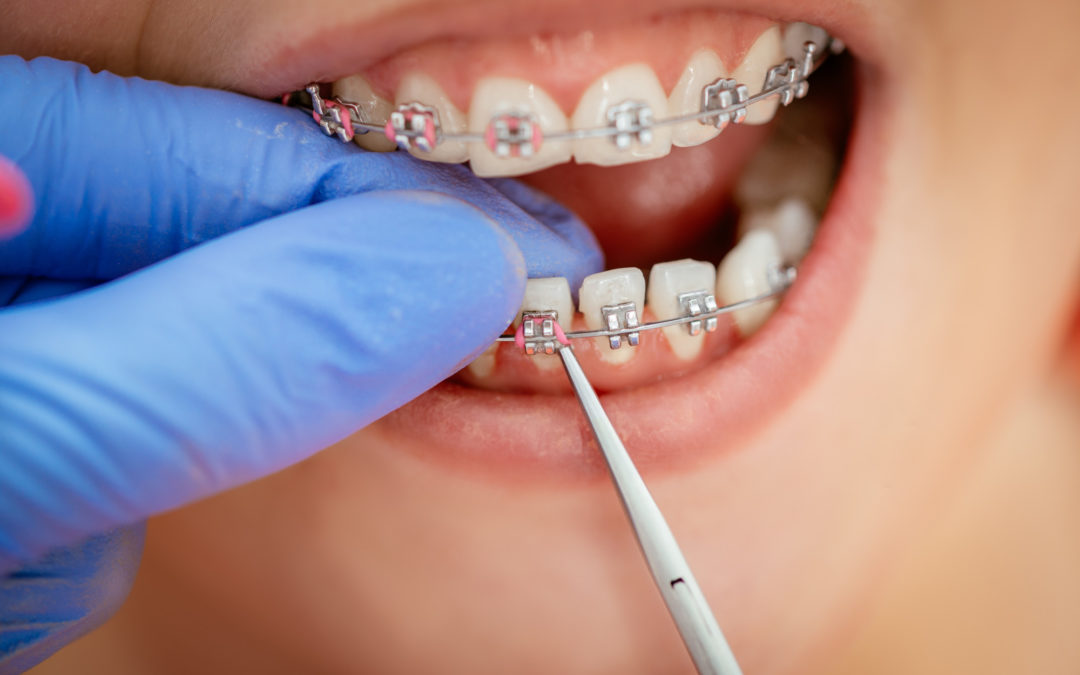
Orthodontic rubber bands are small, elastic loops that connect different parts of the braces to apply additional force. They are typically attached to brackets on the upper and lower teeth to guide jaw alignment and improve bite correction. These bands come in various sizes and strengths, depending on the individual treatment needs of the patient.
2. How Rubber Bands Help in Alignment
Braces alone can straighten teeth, but they may not always be sufficient to correct bite problems. Rubber bands exert gentle but consistent pressure, helping to move the teeth and jaw into proper alignment. They assist in closing gaps, correcting overbites or underbites, and improving the overall balance between the upper and lower arches.
3. Types of Rubber Bands Used in Braces
Orthodontic rubber bands are classified based on their function and placement. The most common types include:
-
Class I elastics: Used to close small gaps between teeth.
-
Class II elastics: Help correct overbites by moving the upper teeth backward and lower teeth forward.
-
Class III elastics: Used for underbites to shift the lower teeth backward and upper teeth forward.
-
Vertical elastics: Assist in closing open bites by pulling the upper and lower teeth together.
-
Cross elastics: Help align teeth that have shifted out of position.
The specific type of rubber bands used depends on the orthodontic condition being treated.
4. How Long Do You Need to Wear Rubber Bands?
The duration of rubber band wear varies for each patient, depending on the severity of their bite misalignment. Some patients may need to wear them for a few months, while others may require them for most of their treatment period. Orthodontists typically recommend wearing rubber bands for 20-22 hours per day, removing them only for eating and brushing. Consistent wear is crucial to achieving timely and effective results.
5. What Happens If You Don’t Wear Rubber Bands as Instructed?
Skipping rubber band wear can slow down your treatment and may even lead to setbacks. Since the elastics provide the additional force needed for jaw correction, failing to wear them consistently can prevent proper alignment and prolong overall treatment time. In some cases, lack of compliance can result in the need for more extensive orthodontic procedures.
6. How to Properly Wear and Maintain Rubber Bands
Wearing rubber bands correctly is essential for their effectiveness. Follow these guidelines to ensure proper use:
-
Change them regularly: Rubber bands lose elasticity over time, so replace them as directed by your orthodontist.
-
Wear them as instructed: Follow the placement pattern recommended by your orthodontist for optimal results.
-
Remove them only when necessary: Take them out while eating and brushing, but replace them immediately afterward.
-
Use clean hands: Always wash your hands before handling rubber bands to maintain oral hygiene.
Proper rubber band use can significantly impact the success of your orthodontic treatment.
7. Managing Discomfort from Rubber Bands
It is normal to experience some discomfort when first wearing rubber bands, as they create additional pressure on the teeth and jaw. This discomfort typically subsides within a few days. To ease the initial soreness, you can:
-
Take over-the-counter pain relievers if necessary.
-
Apply cold compresses to reduce inflammation.
-
Eat soft foods until your mouth adjusts.
-
Avoid stretching or doubling up on rubber bands, as this can cause excessive pressure and potential complications.
8. Rubber Bands vs. Braces: Why Both Are Necessary
Braces alone can straighten individual teeth, but they do not always correct jaw alignment. Rubber bands enhance the function of braces by ensuring that the upper and lower teeth meet properly. Without elastics, certain bite issues may persist even after braces are removed, leading to further dental problems in the future.
9. When Are Rubber Bands No Longer Needed?
Rubber bands are typically removed in the final stages of treatment when the jaw alignment has reached the desired position. Your orthodontist will evaluate your progress and determine when you can stop using them. Even after discontinuing rubber bands, retainers may be necessary to maintain alignment and prevent relapse.
10. Tips for Staying Committed to Wearing Rubber Bands
Wearing rubber bands consistently can be challenging, but following these tips can help you stay on track:
-
Set reminders to replace rubber bands throughout the day.
-
Keep extra packs in your bag or pocket to avoid running out.
-
Track your progress to stay motivated and see improvements.
-
Follow your orthodontist’s guidance to achieve the best possible results.
Commitment to rubber band wear is essential for achieving a well-aligned smile within the expected treatment timeline.
Final Thoughts:
Rubber bands play a vital role in ensuring proper alignment and bite correction during orthodontic treatment. While they may cause temporary discomfort, their benefits in achieving a perfectly balanced smile outweigh any inconvenience. If you are undergoing treatment with dental braces in Dubai, wearing your elastics as instructed will help you complete your orthodontic journey more efficiently, leading to long-lasting and optimal results.