When something feels a bit off in your business, but you can’t quite say what—you’re not alone. Many leaders get this feeling. That’s where Gap Analysis steps in. It’s not just another buzzword; it’s a practical tool that helps you see the difference between where you are and where you want to be.
Understanding the Basics – What is Gap Analysis?
Gap Analysis is like standing in front of a map. You point to where you are now, then point to where you want to go. The space in between? That’s your “gap.” The bigger the space, the more work to do. But the good news? Now you have clarity.
Why is Gap Analysis So Important?
You Can’t Fix What You Can’t See
Trying to grow a business without a clear view of what’s wrong is like assembling a puzzle in the dark. You keep guessing and trying, but the result feels unfinished. Gap Analysis gives you that light switch moment. Suddenly, you see what’s missing. It’s all about bringing clarity to chaos.
It Saves Time and Money
Gap Analysis focuses your effortswhere they matter most. Instead of wasting resources on areas that are already fine, you fix what’s broken. This cuts costs and avoids burnout. It also speeds up results. The less guessing you do, the better your outcomes.
It Sets Clear Priorities
When everything feels important, nothing gets done. Gap Analysis shows you exactly what to tackle first. It brings order to the mess of daily business demands. With priorities in place, your team works smarter. That’s how real progress begins.
Different Types of Gap Analysis
Performance Gap
This compares your actual results with the results you wanted. It helps you see if you’re meeting your targets or missing them. This type of gap often shows up in sales numbers or project deadlines. Spotting it early can prevent bigger losses. It’s about closing the space between plans and reality.
Skills Gap
This one is all about people. It tells you what your team can do today and what they need to learn. You’ll spot gaps that affect training, hiring, or promotions. With this insight, you build stronger teams. It’s a practical way to boost performance without hiring more.
Market Gap
Market Gap helps you find new chances to grow. Maybe your competitors missed something, or maybe customers want something new. It shows you where demand exists but supply doesn’t. Spotting these gaps early gives you an edge. It’s how fresh ideas become strong businesses.
Profitability Gap
You may be making good sales but still see weak profits. This gap looks deeper into the numbers. It helps you understand where money leaks are happening. Costs, pricing, or low-efficiency tasks could be hurting your margins. Fixing these brings healthier profits without needing more customers.
The Simple Process of Doing a Gap Analysis
Define Your Goals
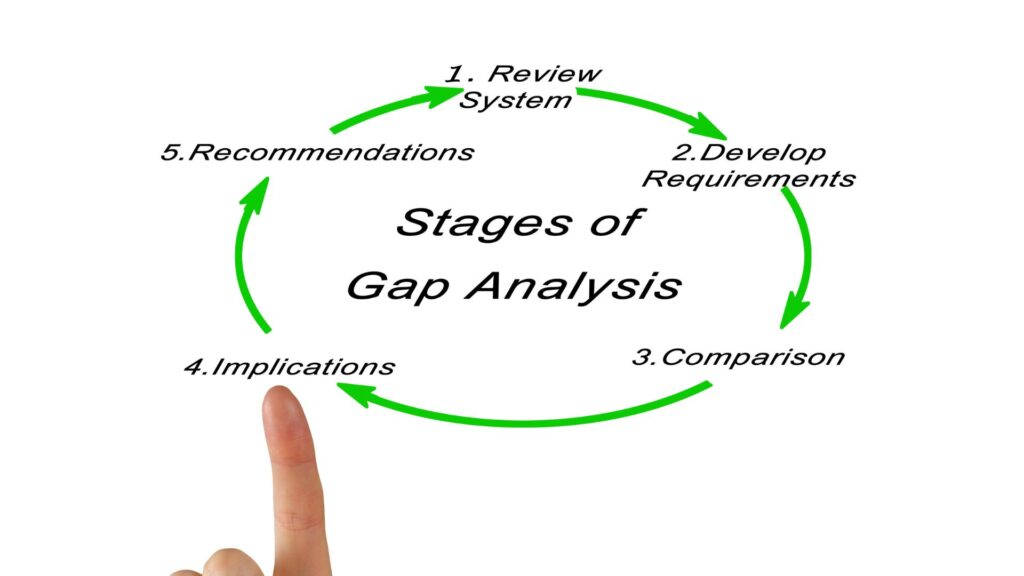
Start by writing down what you want to achieve. Whether it’s more customers or higher profits, be specific. This keeps your focus sharp and your team aligned. Clear goals make everything else easier. It’s the first—and most important—step.
Analyze Current State
Look closely at where things stand today. Gather facts, check reports, and talk to your team. Don’t guess—use real data. This gives you a strong base to compare against your goals. The clearer the picture, the better your next steps.
Identify the Gap
Now, put your goals and current state side by side. What’s missing? What’s not adding up? This is your gap. It might be small or wide, but knowing it is half the battle. This step turns confusion into a plan.
Find the Cause
Don’t stop at symptoms—dig deeper. Keep asking “why” until the root problem appears. For example, if sales are low, is it the product or the pitch? This step makes sure you solve the real issue, not just surface problems. That’s what leads to lasting change.
Make an Action Plan
Now it’s time to fix the gap. List out clear, doable steps with names and deadlines. Don’t overcomplicate things—just focus on impact. Share the plan with your team so everyone’s on board. Execution matters more than ideas.
Track Progress
Plans mean nothing if no one checks them. Set regular check-ins to see what’s working. Adjust when needed—don’t be afraid to change course. The goal is progress, not perfection. Keep it simple and stay consistent.
How Gap Analysis Builds Stronger Teams
Gap Analysis can boost teamwork when done right. It makes expectations clear and removes confusion. Your team knows what they need to work on and how to grow. It also shows leadership cares about improvement, not blame. When people feel supported, they perform better.
Common Mistakes to Avoid
Being Too Vague
If your goals sound like “do better,” they won’t help. Use exact numbers and timelines instead. “Improve customer service” isn’t clear—but “answer all emails in 24 hours” is. The clearer your aim, the easier it is to hit. Vague goals slow you down.
Ignoring Data
Feelings can’t replace facts. Look at numbers, reports, and feedback before making decisions. Skipping this step leads to wrong fixes. Even basic data like customer reviews or delivery times can help. Good decisions come from good information.
Doing It Alone
You don’t have to carry the whole load. Ask your team for ideas—they see things you might miss. Involving others brings better solutions and more buy-in. Plus, you build trust while solving real problems. Collaboration always beats solo effort.
Making Plans Without Action
Don’t stop at writing a plan—follow through. Even the best plan is useless if it sits in a folder. Break big tasks into small steps and get started. Review regularly to stay on track. Action turns ideas into results.
What Gap Analysis Looks Like in Everyday Life
Imagine planning to run 5K but barely jogging five minutes. That’s your gap. You improve by slowly building endurance, buying better shoes, and creating a routine. Each small step brings you closer. Business works the same way. Gap Analysis helps you move forward, one fix at a time.
Questions to Ask During Gap Analysis
What Are We Trying to Achieve?
Start with the goal. What do you really want—more sales, better service, or lower costs? Being clear helps everyone focus. Vague dreams don’t help. Defined goals are the starting point for real success.
Where Are We Now?
Check your actual performance using facts, not guesses. Use reports, numbers, and feedback to paint the full picture. Don’t sugar-coat things. The more honest you are, the more helpful your plan becomes. Truth brings better answers.
What’s Stopping Us?
Figure out what’s holding you back. Is it old systems, lack of training, or weak processes? Knowing the blocker helps you fix it faster. Some gaps hide behind habits. Spotting them makes change possible.
What Can We Improve Right Now?
Look for easy wins. Can you train someone? Automate a task? Remove delays? Quick fixes build momentum. They boost morale and keep things moving. Small steps can open the door to big results.
How Often Should You Do a Gap Analysis?
There’s no fixed rule, but some times are better than others. Do one before launching new ideas, or after missing a big goal. You can also run it during a slow period to catch hidden issues. The goal is to stay ahead—not wait for problems to explode.
How to Involve Your Team in the Process
Open a Feedback Channel
Let your team share their thoughts easily. Use a simple form, poll, or even a whiteboard. Ask what’s working and what’s not. Keep it judgment-free. The more you listen, the more you learn.
Host Gap Workshops
Gather the team and ask honest questions. “What are we missing?” or “What’s holding us back?” can lead to smart answers. Make it casual and friendly. Group chats work better than silent reports.
Encourage Solutions, Not Complaints
Make it clear that the goal is to improve—not blame. Ask your team to suggest ways to fix problems. People feel valued when their ideas matter. That builds stronger teams.
Bonus Tips for First-Time Gap Analysts
Start small—pick one area like sales or hiring. Use simple tools like a whiteboard or spreadsheet. Write everything down to stay focused. Check in after 30 days to see if you’ve made progress. It doesn’t have to be fancy—it just has to be honest
Gap Analysis is not about being perfect—it’s about moving forward. It helps you see clearly, fix what matters, and build real results. Even small changes can lead to big wins. So take a breath, pick one gap, and start closing it today. You might be surprised at how much can change—just by asking better questions.
FAQs
1.Is Gap Analysis only for big companies?
No, small businesses and freelancers can use it too. Anyone who wants to improve something can benefit. It’s simple and flexible. You don’t need a big budget—just a clear goal.
2.Do I need software for this?
Not at all. A notebook or spreadsheet works just fine. Software helps, but it’s not required. The key is asking the right questions. That’s where real insights come from.
3.What if the gaps feel too big to fix?
Start with the small stuff. Every big fix starts with a small move. Tackle one thing at a time. Wins build confidence—and confidence leads to bigger wins.
4.How do I track improvements?
Use simple markers—before and after numbers, customer feedback, or weekly check-ins. Make it part of your routine. What gets tracked gets improved. Keep it simple, but steady.
5.Can Gap Analysis be used for personal growth?
Absolutely. Gap Analysis isn’t just for business—it works for personal goals too. You can use it to improve habits, skills, health, or even relationships.