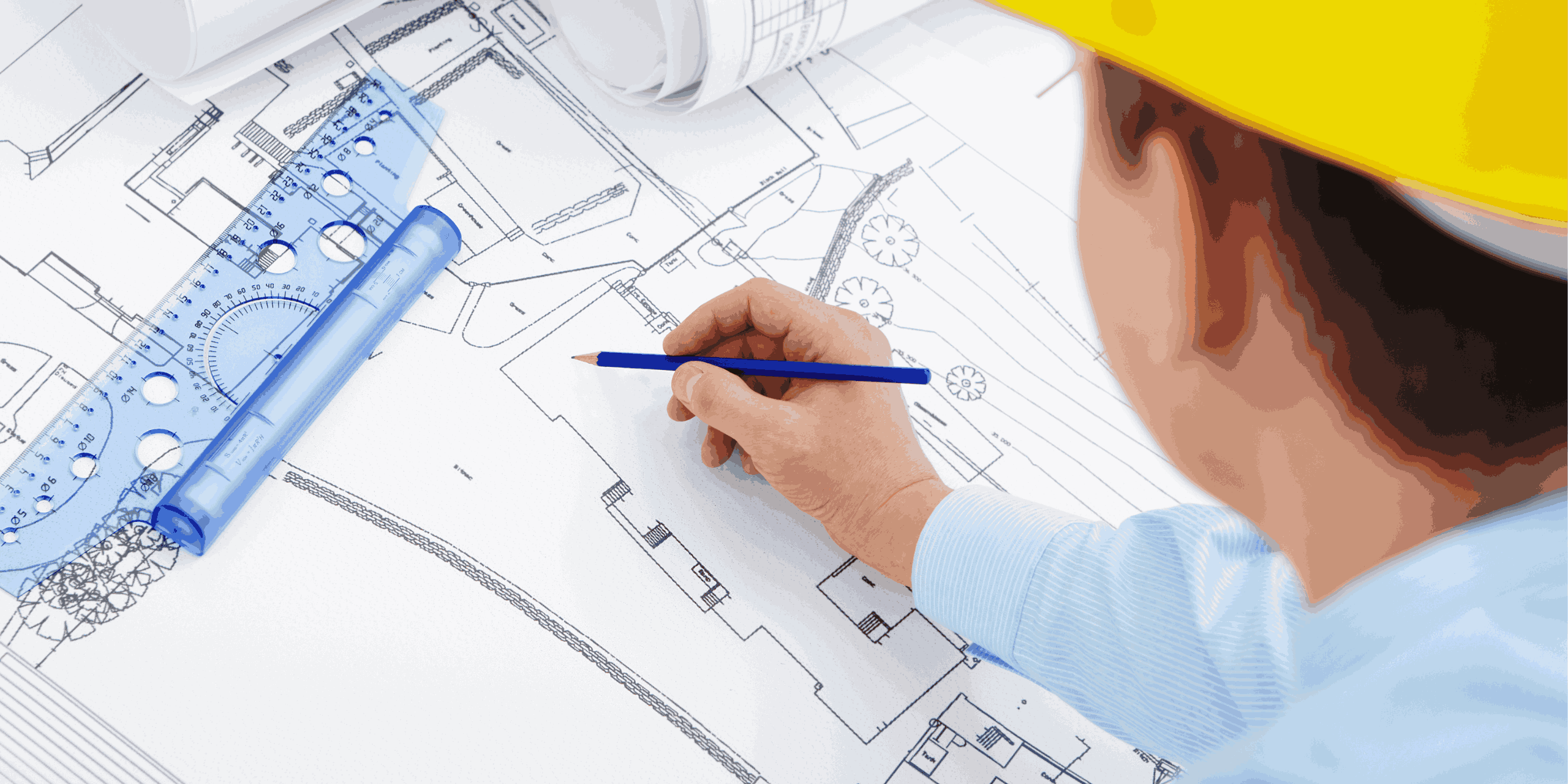
When it comes to construction projects in the U.S., following building codes isn’t optional — it’s the law. Every detail, from fire exits to electrical layouts, must align with local, state, and federal regulations. This is where CAD drafting becomes not just helpful, but essential. Today, we’re diving into how CAD (Computer-Aided Design) drafting ensures code compliance in construction projects across the United States.
What Is CAD Drafting?
Before we get into compliance, let’s quickly go over what CAD drafting means. In short, it’s the use of computer software to create detailed 2D or 3D drawings of buildings, mechanical systems, and infrastructure. These digital drawings replace the traditional pen-and-paper blueprints with much higher precision, easier edits, and quicker sharing.
Common tools include AutoCAD, Revit, SolidWorks, and more; each helping architects, engineers, and contractors visualize and plan every aspect of a construction project.
Why Code Compliance Is So Crucial
In the U.S., construction codes aren’t just suggestions — they’re enforceable standards. Codes like the International Building Code (IBC), National Electrical Code (NEC), NFPA standards, and local zoning laws dictate exactly how buildings must be constructed to ensure safety, accessibility, and sustainability.
Failure to comply with these codes can result in:
- Fines and penalties
- Project delays
- Failed inspections
- Costly revisions
- Legal liabilities
That’s why having a reliable system to support building code compliance is essential. This is where CAD drafting services become a game-changer.
1. Accurate Representation of Building Elements
One of the key benefits of CAD drafting is precision. When architectural and engineering plans are created digitally, they’re not just visual; they’re dimensionally accurate and data-rich. This ensures every beam, wall, pipe, and electrical conduit is placed in compliance with code-defined distances, angles, and clearances.
For example:
- Fire exit paths must meet minimum width and clearance requirements — CAD drafting tools can flag violations automatically.
- Electrical outlets and panels need to be spaced per NEC guidelines — CAD drawings ensure these layouts are pre-checked.
2. Integration with Building Codes and Standards
Modern CAD software is often integrated with building code databases or BIM (Building Information Modeling) standards. That means drafters can reference code sections directly within their workflow, reducing the chances of oversight.
Some platforms even offer automated code checks — if a certain element doesn’t meet a standard (e.g., insufficient stair width or incorrect railing height), the software alerts the user in real time.
This smart technology supports not only compliance but also faster approvals during plan check reviews.
3. Streamlined Permit and Inspection Processes
City and county permitting departments across the U.S. often require digital plans that conform to certain standards, and CAD files make that easy. Clean, legible, and fully detailed CAD drawings reduce back-and-forth with reviewers.
Because CAD files can also be layered and color-coded, different disciplines (architectural, electrical, plumbing, structural) are represented, which makes it easier for code officials to verify compliance.
This directly translates to:
- Faster permitting
- Fewer revisions
- Smoother inspections
4. Revision Tracking and Version Control
Construction plans often go through multiple revisions. Whether you’re responding to a change order, a code update, or a new zoning rule, tracking those changes manually is time-consuming and error-prone.
With CAD drafting, every revision is timestamped, recorded, and easily traceable. This ensures that the most up-to-date plans are always in use, which is critical for remaining code compliant throughout every stage of the project.
5. Supports Sustainable and Green Building Codes
Many U.S. cities and states are adopting green building codes like CALGreen (California) or the IECC (International Energy Conservation Code). These regulations require specific energy efficiency measures, material sourcing, and water use strategies.
CAD drafting allows engineers and architects to model energy performance, HVAC load calculations, and solar orientation, all of which support sustainability compliance and help projects qualify for certifications like LEED or WELL.
6. Improves Coordination Among Trades
Code compliance doesn’t only apply to architecture; it’s also critical for MEP (Mechanical, Electrical, and Plumbing) systems. CAD drafting allows for better coordination between all trades, helping prevent code violations due to system conflicts.
For instance:
- Plumbing and electrical lines can’t interfere with structural elements.
- HVAC ductwork must meet clearance and access code requirements.
Using CAD, these systems are overlaid and clash-detected early in the design phase, reducing costly changes during construction.
Final Thoughts
In today’s fast-paced construction industry, CAD drafting isn’t just a design tool; it’s a compliance tool. From streamlining building code adherence to accelerating permit approvals and minimizing errors, CAD brings structure and confidence to an otherwise complex regulatory landscape.
Whether you’re a developer, architect, contractor, or engineer, investing in skilled CAD drafting services can make all the difference in keeping your project compliant, on time, and within budget.
If you’re working on a U.S.-based construction project, remember this: code compliance starts with your drawings, and great drawings start with CAD.