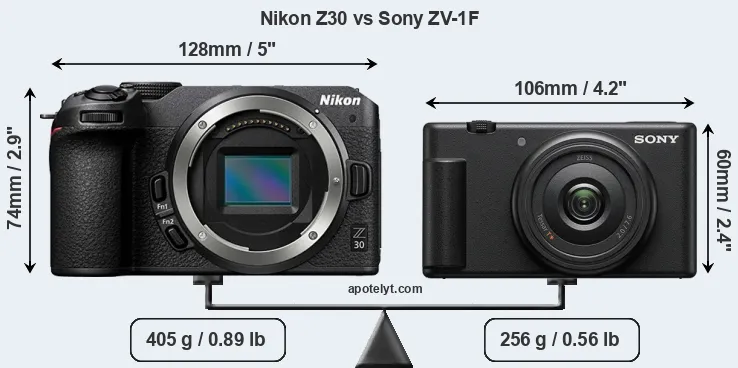
If you’re thinking about stepping into the vlogging world or upgrading from your smartphone, two names will likely pop up in your research: Nikon Z30 and Sony ZV-1F. Both are compact, made for content creators, and come with features that make vlogging smoother—but which one actually fits your needs?
Let’s break it down.
What Kind of Vlogger Are You?
Before jumping into specs, think about what kind of content you plan to shoot. Are you mostly indoors, maybe doing tech reviews or cooking videos? Or are you on the go, capturing street life, travel, or daily routines around town?
Beginners often feel overwhelmed by camera menus, interchangeable lenses, and the pressure to “get it right.” That’s why ease of use, image quality, and flexibility really matter. Let’s compare the Nikon Z30 and Sony ZV-1F through that lens—pun intended.
Nikon Z30 – Built for Creators Who Want More Control
The Nikon Z30 is part of Nikon’s mirrorless Z series, designed with content creators in mind. It’s slightly larger than the Sony, but that’s not a bad thing—it gives you more to hold onto and opens up some serious flexibility.
Key Features:
-
24.2MP APS-C sensor (bigger than Sony’s)
-
Interchangeable lenses via the Z-mount system
-
Flip-out touchscreen, perfect for solo filming
-
No time limit on video recording
-
External mic input and hot shoe for better audio gear
Here’s the deal: if you want room to grow with your gear, the Z30 makes a strong case. Pair it with a quality wide-angle lens and you’ve got yourself a long-term setup. It’s ideal for those planning to dive deeper into content creation.
But it’s not all perfect. There’s no in-body stabilization, which means handheld footage can get shaky unless you use a lens with VR (vibration reduction) or a tripod.
Sony ZV-1F – Compact, Simple, Ready-to-Go
The Sony ZV-1F, on the other hand, is a fixed-lens compact camera tailored for beginner vloggers and casual creators. It’s ultra-light and fits easily into your bag, making it perfect for day-to-day use in places like Anarkali, Liberty, or your favorite rooftop café in Lahore.
Key Features:
-
20.1MP 1-inch sensor
-
Fixed 20mm equivalent lens
-
Face-priority autofocus and background blur toggle
-
Lightweight and ultra-portable
-
USB-C charging and live streaming support
Sony really nailed the ease-of-use factor here. It’s basically point-and-shoot, with vlogging-friendly features like a directional microphone, Product Showcase mode, and no learning curve.
That said, you’re locked into the built-in lens—great for selfies and walk-and-talk shots, but not very flexible if you want to switch things up later.
Video Performance: Who Wins?
Both cameras shoot 4K video at 30fps, and both offer solid color and clarity. But here’s what makes the difference:
-
Z30’s larger APS-C sensor gives you more depth of field and better low-light performance. This is super useful when shooting indoors or during evening golden hours in old Lahore streets.
-
ZV-1F’s face tracking is snappy and reliable, especially for beginners who just want the camera to do its job without manual settings.
If you’re aiming for a more cinematic look and plan to tweak settings manually, the Z30 gives you that range. If convenience is your priority, the ZV-1F gets the job done with fewer headaches.
Audio and Accessories
Let’s be real—good audio can make or break a vlog.
Both cameras come with decent internal mics, but if you’re filming in busy areas like the camera market Lahore, the background noise can be a nightmare. The Z30 gives you the option to attach a shotgun mic or even a wireless lav setup. The ZV-1F includes a windscreen for outdoor use, but no headphone jack for monitoring.
So, if you’re serious about audio quality and plan to film interviews or voiceovers, the Z30 has the edge.
Battery Life & Usability on the Go
In real-world use, both cameras can get through a day of light shooting, but if you’re out filming an entire vlog or covering an event, you’ll want extra batteries or a power bank.
-
Z30 battery lasts longer, but the camera is slightly bulkier.
-
ZV-1F charges via USB-C, so you can top it up on the go using the same charger as your phone.
If you’re hopping between markets, shooting handheld, and need to stay light, the ZV-1F feels less like a burden.
Price in Pakistan – What Are You Paying For?
Prices fluctuate depending on where you shop, but here’s a general idea:
-
Nikon Z30 (body only): Around PKR 160,000–175,000
-
Sony ZV-1F: Roughly PKR 120,000–135,000
You’ll find both models at the camera market Lahore, where you can test out different setups and maybe even negotiate a better price, especially if you’re buying accessories alongside.
Final Thoughts – Which One Should You Buy?
Here’s the bottom line:
-
Choose the Nikon Z30 if you’re serious about growing as a content creator. It offers better image quality, flexibility with lenses, and higher-end audio options. Yes, it’s pricier and slightly bulkier—but it’s a camera you can grow into.
-
Go for the Sony ZV-1F if you’re just starting out and want something that just works. It’s portable, user-friendly, and perfect for spontaneous street vlogs, makeup tutorials, or casual sit-downs.
For many new creators, simplicity matters. That’s why the ZV-1F often lands on lists of top vlogging cameras for beginners. But if you’re already dreaming about lens upgrades and editing cinematic b-roll, the Z30 is worth the stretch.
Wrapping Up
Both cameras cater to different kinds of creators. Whether you’re roaming the narrow alleys of Androon Shehr, filming your YouTube intro, or documenting your next food trail in Lahore, either camera can get the job done.
Still unsure? Visit the local shops, hold the cameras, and see how they feel in your hand. Sometimes, the right camera isn’t just about specs—it’s about what feels natural to use.