When you picture your dream home, do you see warm textures, smarter layouts, and a look that feels like you? Or do you imagine knocking down walls, opening sightlines, and rebuilding rooms from the studs up? That’s the real split between home interior design and renovation. Both can transform your life at home. They simply work in different ways.
Many homeowners mix them up and lose time or money. You call a designer when you need structural fixes. You start demolition when styling would have delivered the change you wanted. This guide lays out what each process involves, how they differ in scope, cost, and timeline, and how to decide which one fits your goals. By the end, you’ll feel confident about your next step.
Interior Design: The Art of Breathing Personality Into Your Space
Interior design reshapes how your home looks and works without altering its structure. Think layout, lighting, materials, and mood. A designer studies the way you live, then arranges furnishings, selects finishes, and plans lighting so every room feels effortless to use and easy to love.
You’ll notice it in the flow of a living room that finally makes sense, in a bedroom that calms you the moment you step in, or in a dining area that invites conversation long after dinner ends. The walls stay in place, yet the atmosphere changes completely. Many designers today look toward modern residential interior design, which emphasizes sleek lines, smart storage, and timeless simplicity.
Design is also about practicality. Sofas are chosen for comfort and durability. Rugs stand up to busy mornings and late-night spills. Storage becomes smarter, giving clutter a place to disappear. Every choice is filtered through your lifestyle, and that’s what makes design personal.
The process usually begins with consultation, moves through space planning, and ends with the final installation. It’s guided, creative, and collaborative. Most of all, it transforms a house into a home that feels truly yours.
Renovation: Breaking Walls to Build New Possibilities
Renovation changes the bones of your home. It improves structure, systems, and layout so the space works better for the way you live now. If design tells a story with materials, renovation rewrites the entire plot.
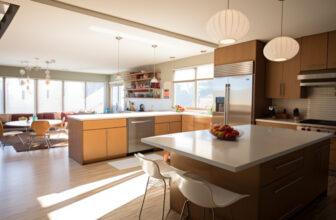
Picture a kitchen that opens fully to the living room. Imagine a suite with an expanded bath and a wardrobe that finally fits your needs. Renovation can involve reframing walls, upgrading electrical wiring, or replacing outdated flooring. Because these are structural tasks, you’ll work with contractors, and sometimes architects or engineers.
The investment is larger, with labor, permits, and materials adding up. Still, the long-term value is undeniable. Families searching for luxury home renovation ideas often want not only a fresh look but also improved functionality and comfort.
Renovation is worth considering when your home needs more than cosmetic updates. It delivers solutions for daily frustrations, creates durability, and allows you to rethink how your home supports your lifestyle.
Design vs Renovation: Where the Real Divide Lies
Scope is the first distinction. Interior design enhances what exists through styling, layering materials, and adjusting layouts. Renovation reshapes the framework itself.
Budgets reflect that difference. Design can be scaled to suit your comfort level. Renovation usually requires a deeper investment because construction and permits are involved.
Timelines vary. Design projects can wrap in weeks once selections are finalized. Renovation can take months, especially when structural work is part of the plan.
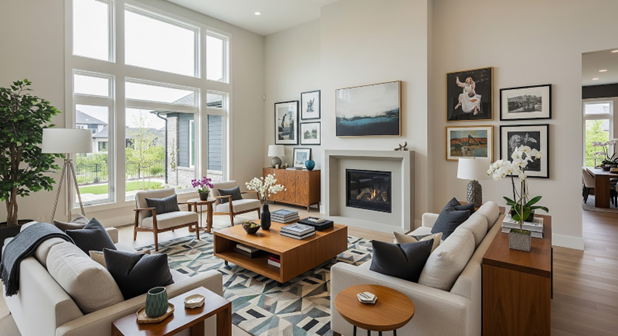
The teams you’ll work with also differ. Designers lead on styling and presentation. Contractors manage construction, and in many cases, both teams collaborate. A contractor may complete the build while a designer crafts the final look, creating harmony through details such as contemporary living room interiors.
Daily impact is another factor. You can usually live in your home during design work. Renovation, on the other hand, may involve noise, dust, and even the need to move out temporarily. Knowing this in advance helps you plan realistically.
Which Path Should You Take? Shape the Home You Crave
Your choice comes down to your goals. If you want a fast refresh that reflects your style, design is the way forward. Many homeowners are drawn to customized interior design solutions that let them choose finishes, colors, and furniture scaled to their personality and budget.
Renovation makes sense when your home’s structure holds you back. Maybe the kitchen feels too tight, or your bathroom is outdated. Renovation solves those issues while opening possibilities for a new way of living.
Budget and timeline play a role too. With design, you can adjust costs by scaling furnishings and finishes. Renovation is harder to scale but can be phased, allowing you to spread investment over time.
Some homeowners prefer combining both approaches. Renovate to fix or expand, then design to enrich. Open a wall to expand your kitchen, then style it with lighting, finishes, and thoughtful layout shaped by space planning and styling services. The result is cohesive, practical, and beautiful. That’s where home interior design complements renovation perfectly.
Frequently Asked Questions
What is the main difference between interior design and renovation?
Interior design focuses on style, layout, and functionality without altering the structure. Renovation involves construction and structural changes to improve how a home works.
Is interior design cheaper than renovation?
Yes, in most cases. Interior design is more flexible and allows you to control costs through furniture and finishes, while renovation requires larger budgets for labor, materials, and permits.
Can I combine design and renovation in one project?
Absolutely. Many homeowners renovate to fix layout issues or expand space, then bring in a designer to add style and personalization. The combination creates both function and beauty.
How long do projects usually take?
Design projects often finish within weeks, depending on sourcing and installation. Renovations can take several months, especially when structural work or permits are required.
Final Word: Create a Home That Truly Feels Like Yours
Design and renovation both lead to transformation, but in different ways. Interior design refines look and function within the existing framework. Renovation reshapes that framework so your home supports you fully.
Choose design when you want quick visual impact and personalization. Choose renovation when you need deeper changes that solve structural challenges. Or blend them for a complete transformation.
What matters most is that your space feels right for you. It should be warm, personal, and alive. Once you define what you value, you’ll know which path to take. When you’re ready, explore home interior design to take the first step toward creating a home that feels unmistakably yours.