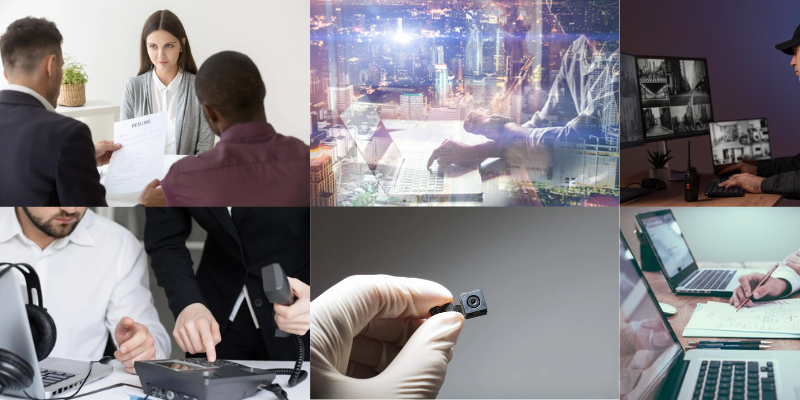
When people hear the word “surveillance,” they often imagine dark glasses, parked cars, and secret cameras. The truth is, private investigators use a range of methods that are far more versatile and sophisticated. Each style of surveillance suits a different situation, and knowing how they work can help you understand what a professional surveillance investigator actually does. Ever wondered which methods deliver the clearest answers? Let’s explore.
Physical Surveillance
Physical surveillance is what most of us picture first. It means an investigator follows someone in person to observe their movements and record evidence.
This type of surveillance works best when you need to know where someone goes, who they meet, or what they do in their daily routine. For example, if a business suspects an employee of claiming sick leave while working elsewhere, physical surveillance can confirm or deny that suspicion.
The strength of this method is accuracy. An investigator sees events unfold in real time. The challenge lies in remaining discreet—because the last thing anyone wants is for the subject to notice
Mobile Surveillance
Mobile surveillance is a step further. Instead of staying in one place, the investigator follows the person on foot or in a vehicle. Have you ever wondered how difficult it is to stay close enough to observe without being noticed? That’s where training and skill really matter.
This approach is common in cases of suspected infidelity or insurance fraud. It needs proper planning, authentic communication.
The best professional surveillance investigator uses different techniques like switching vehicles or staggered tailing to avoid any sort of detection. Mobile surveillance when done rightly gives a strong proof without causing doubt.
Surveillance work through online
A Surveillance Investigator monitors a person’s online activity, from public social media posts to professional networks and sometimes even digital footprints they don’t realise they’ve left behind.
Why does this matter? It is because people are sharing lots of valuable information online. Any post on online platforms can provide proof worth a lot more than hours of track.
Digital surveillance never replaces fieldwork, but it often supports it. The trick is knowing where to look, how to interpret patterns, and how to preserve online findings in a way that stands up in legal settings.
Technical Surveillance
Technical surveillance relies on specialised equipment. Investigators may use:
- Inbuilt Time stamp High-definition video cameras
- Hiding the cameras in the dash board
- Using Long-coverage lenses for taking single distance shots
- Legal allowance of the Audio recording tools
This method shines when evidence needs to be rock solid. Imagine a workplace accident claim where the employee says they cannot lift heavy items. A clear video showing them carrying large boxes speaks volumes.
Technology also helps investigators document events without staying physically close, which reduces risk and raises credibility.
Static Surveillance
Sometimes the smartest move is staying still. Static surveillance involves placing an investigator at a fixed location—such as near a home, office, or car park—to observe comings and goings.
This is ideal for cases where a target follows a said and certain routine. Say if you doubt a person is meeting someone in a secret way, that static position, will give the proof without needing to chase them around.
But the negative side of the static surveillance is that here the coverage is less. Now if the target changes the position, there is a possibility of the investigator to miss the important moments. But when teamed with digital surveillance method, to a great extent, they can offer you effective proof.
Undercover Surveillance
Picture someone working as a casual employee at a warehouse to confirm theft suspicions—that’s undercover surveillance in action.
This approach requires confidence, adaptability, and strong communication skills. It can take days or weeks to gather useful evidence. Ever thought about how tricky it must be to act natural while staying alert? That’s exactly what makes this type of surveillance one of the most demanding yet rewarding.
Counter-Surveillance
Here’s one most people don’t consider: counter-surveillance. Instead of following, the investigator looks for signs that someone is being followed or monitored.
This often applies to people who feel unsafe or suspect that they’re under unwanted observation. Private investigators use advanced techniques and equipment to detect hidden cameras, listening devices, or even unwanted vehicle trackers.
Why should Use different kinds of surveillance?
No single surveillance style works in every situation. Professional investigators combine methods to cover blind spots and build stronger cases. For example:
- Observing the physical behavior on a real-time basis.
- Digital research validating connections and patterns
- Technical tools capture undeniable evidence.
Final Say
Survellience is not about tracking the subject with binoculars. Professional Surveillance investigator services have the skill of tracking the culprit both digitally and physically. They know the art of integrating different tracking tools to reach the hidden part of the truth. Each type of surveillance has its own positive sides, strengths and they intend to give you the reality of the situation. Surveillance Investigator companies let you experience their proficiency and professionalism.