Fermentation’s where the magic happens, but it’s also where things can go a bit sideways if pressure gets away from you. Pressure fermentation is basically the tidy, controlled version of the usual process: same yeast, same wort, but with a lid on and a plan. Do it well and you’ll pull cleaner flavours, shave time off your schedule, and get repeatable results that don’t rely on luck or “close enough”.
What pressure fermentation actually changes
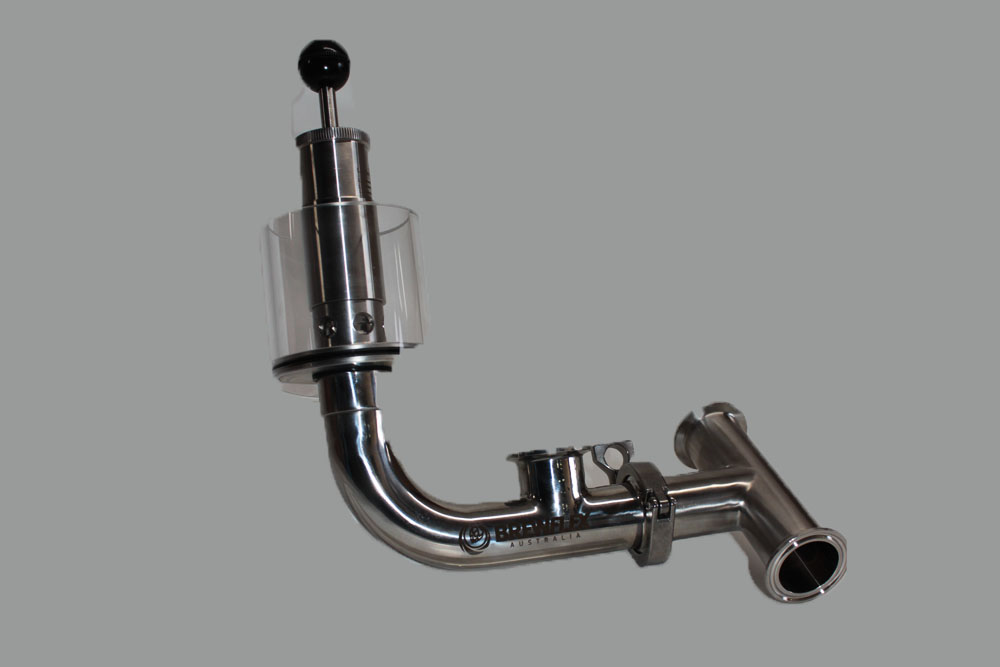
The first big shift is how CO₂ behaves when you ferment under pressure. With the right setup and a dependable sprunding valve, you can hold a steady head pressure as yeast gets to work. That steadiness helps keep ester production in check, which is why lagers and crisp ales can come out cleaner and more restrained. You’re not removing character; you’re choosing it, instead of letting temperature swings and foamy blow-offs make the call.
It also keeps fermentation calmer. Less violent krausen, less mess, and fewer chances for oxygen to sneak in. When your fittings, clamps, and seals are designed for hygienic use and proper pressure ratings, it stops feeling like a risky experiment and starts feeling like a standard operating procedure.
Cleaner profiles without stripping the fun bits
A lot of brewers worry that pressure fermentation will “flatten” flavour. The trick is control, not cranking pressure to the moon. Moderate pressure can smooth out harsh edges and reduce solventy notes, especially if you’re pushing a warmer ferment to save time. You still get hop presence and malt character, but the yeast behaves like it’s had a quiet word and a timetable.
This is where quality gear matters more than people like to admit. An adjustable relief device that holds its set point, vents consistently, and doesn’t chatter helps you avoid pressure spikes that can stress yeast. Food-grade materials, cleanable surfaces, and fittings that mate properly with tri-clamp connections make it easy to keep everything sanitary, which is half the battle.
Faster turnarounds that don’t feel rushed
Pressure fermentation can tighten your production rhythm because yeast can stay happier at slightly higher temps without throwing as many fruity by-products. That means you can often hit terminal gravity sooner, then move straight into a controlled conditioning phase. Instead of dumping CO₂ and starting carbonation from scratch, you’re already building pressure in the vessel.
Pair that with a reliable sprunding valve and you’ve got a tidy workflow: ferment, stabilise, and hold your target pressure while the beer matures. It’s especially handy when you’re trying to keep dissolved oxygen low through transfers. A closed, pressure-managed system is like putting a protective lid over your hard-earned flavour.
The small parts that make the whole system work
People love talking about fermenters, but the unglamorous bits are what keep the process predictable. A worn O-ring, a dodgy gasket, or a clamp that doesn’t seat cleanly can turn a controlled fermentation into a slow leak and a sanitation headache. When your valves and fittings are built for hygienic service, with smooth internal paths and robust seals, cleaning is quicker and less guessy.
That’s also why adjustability matters. Being able to fine-tune relief pressure in small increments gives you real control across different styles, yeast strains, and batch sizes. A sprunding valve that’s sturdy, repeatable, and easy to clean isn’t just a nice-to-have; it’s the difference between consistent beer and constant fiddling.
Pressure fermentation isn’t a gimmick. It’s a practical way to brew cleaner, faster, and with more confidence, so long as you treat pressure control like a core ingredient, not an afterthought.