Many people think losing a tooth is only a cosmetic issue. If the gap is not visible, they may believe there is no real problem. However, missing teeth can lead to a serious condition called jawbone loss. This process often happens quietly and slowly, but it can affect your oral health, appearance, and overall well-being. Understanding how missing teeth cause jawbone loss can help you take the right steps to protect your smile.
Why the Jawbone Is Important
Your jawbone plays a major role in supporting your teeth and shaping your face. Tooth roots are connected to the jawbone, and every time you chew, they send pressure to the bone. This pressure is healthy. It tells the bone to stay strong and active.
When a tooth is missing, the jawbone in that area no longer receives this stimulation. Without regular use, the body starts to break down the unused bone. This is known as bone resorption, or jawbone loss.
How Quickly Jawbone Loss Can Begin
Jawbone loss can start sooner than many people expect. In some cases, it may begin just a few months after a tooth is lost. At first, the changes are small and not noticeable. Over time, however, the bone continues to shrink.
As the bone shrinks, it can affect nearby teeth and the overall structure of your mouth. The longer a missing tooth is left untreated, the more bone loss can occur. This is why early treatment is so important.
Signs and Effects of Jawbone Loss
Jawbone loss does not usually cause pain in the early stages, which makes it easy to ignore. Still, there are several signs and effects you may notice as it progresses.
One common effect is a change in facial appearance. Bone loss can cause the cheeks to look sunken and the face to appear older. The lips may lose support, and wrinkles around the mouth may become more noticeable.
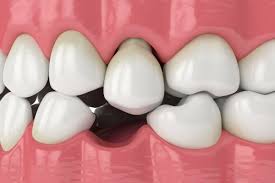
Jawbone loss can also cause remaining teeth to loosen or shift. When the bone that supports them weakens, teeth may move out of position or even fall out. This can lead to bite problems, jaw pain, and difficulty chewing.
In more advanced cases, jawbone loss can make it harder to place dental implants or other restorations. Less bone means fewer treatment options and more complex procedures.
The Connection Between Missing Teeth and Oral Health
Missing teeth and jawbone loss often lead to other oral health problems. As teeth shift into empty spaces, they can become harder to clean. Food and bacteria may get trapped more easily, increasing the risk of cavities and gum disease.
Gum disease itself can speed up bone loss. This creates a cycle where missing teeth lead to bone loss, and bone loss leads to more tooth loss. Breaking this cycle early is key to long-term oral health.
How Jawbone Loss Affects Daily Life
Jawbone loss does not only affect your mouth. It can also affect your daily comfort and confidence.
Chewing may become more difficult as your bite changes. You may avoid certain foods, which can lead to poor nutrition. Speech may also change if teeth move or become loose.
Emotionally, changes in appearance and smile can lower self-confidence. Many people feel embarrassed about their teeth or facial changes and may avoid social situations. Over time, this can affect quality of life.
Treatment Options to Prevent or Reduce Jawbone Loss
The good news is that jawbone loss can often be prevented or slowed with the right treatment. Replacing missing teeth is the most important step.
Dental Implants
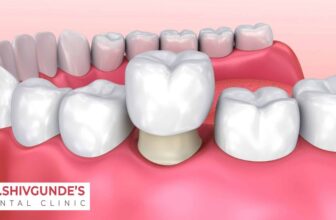
Dental implants are one of the best options for preventing jawbone loss. An implant acts like a natural tooth root and stimulates the jawbone when you chew. This helps keep the bone strong and healthy. Implants also look and feel very natural.
Dental Bridges
Dental bridges can replace missing teeth and restore chewing ability. While bridges do not stimulate the jawbone like implants, they help keep nearby teeth in place and improve function.
Dentures
Dentures can replace multiple missing teeth and improve appearance and speech. Some types of dentures can be supported by implants, which helps reduce bone loss.
In cases where bone loss has already occurred, bone grafting procedures may help rebuild the jawbone and support future treatment.
Why Early Action Matters
Waiting too long to replace missing teeth can limit your treatment options. As bone loss continues, procedures become more complex, time-consuming, and costly. Early treatment is often simpler and more effective.
Regular dental checkups can help detect early signs of bone loss, even before you notice any symptoms. A dentist can guide you through the best options for your situation and help protect your oral health.
Final Thoughts
Missing teeth and jawbone loss are closely connected, and the effects go far beyond appearance. From facial changes to difficulty eating and speaking, jawbone loss can impact many parts of your life.
The most important thing to know is that you are not powerless. Modern dental treatments can replace missing teeth, protect your jawbone, and restore comfort and confidence. At Montclairdentalspanj, patients are supported with clear information and personalized care.
Taking action early can help preserve your jawbone, protect your smile, and support your overall health for years to come.