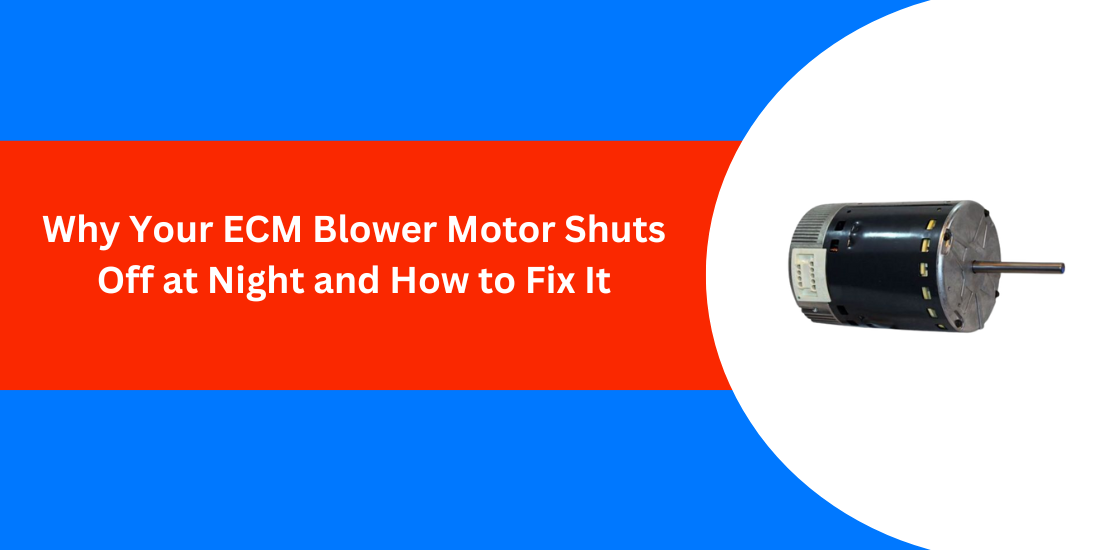
Commercial HVAC systems in homes, offices, and high-demand commercial facilities rely on ECM blower motors to provide consistent airflow, maintain temperature control, and ensure energy-efficient operation. These motors operate continuously, adjusting speed to match system demand, which exposes them to electrical load, thermal cycling, and mechanical stress. Over time, even high-quality ECM motors can develop issues such as worn components, electrical faults, or control system malfunctions. Left unaddressed, these problems can lead to reduced comfort, uneven airflow, higher energy costs, and unexpected system shutdowns—especially noticeable at night when demand drops.
Routine inspection, careful HVAC ECM motor troubleshooting, and timely repair or HVAC ECM motor replacement are essential for maintaining reliable performance and extending motor life. Identifying motor issues early helps prevent full system failure and costly downtime, ensuring that HVAC systems continue to deliver consistent comfort and efficiency.
This guide covers:
- The most common signs that an ECM blower motor is failing
- Step-by-step procedures for diagnosing ECM motor problems
- Methods for repairing or replacing a faulty ECM blower motor
- Preventive maintenance tips to avoid future nighttime shutdowns
By following this guide, homeowners, facility managers, and HVAC technicians can improve troubleshooting, protect high-use motors from premature wear, and maintain efficient, uninterrupted airflow in residential or commercial HVAC systems.
Signs Your ECM Blower Motor Is Failing
Recognizing the early signs of HVAC ECM motor problems is the first step in avoiding unexpected system shutdowns. The following indicators often precede complete motor failure:
- Intermittent Operation: A motor that runs inconsistently, especially at night or during low-demand periods, may be struggling with internal electrical or control issues.
- Unusual Noises: Buzzing, humming, or grinding sounds from the blower motor can indicate worn bearings, misaligned components, or failing internal electronics.
- Reduced Airflow or Inconsistent Temperature: If rooms feel warmer or cooler than expected or airflow decreases without a change in settings, the ECM motor may be failing to maintain proper speed.
- Tripped Breakers or Blown Fuses: Electrical issues within the ECM motor can overload circuits, causing breakers to trip at night when power fluctuations are more common.
- Error Codes or System Alerts: Modern HVAC systems often display error codes when blower motors encounter issues. Persistent alerts may signal HVAC ECM motor problems that require troubleshooting.
Identifying these signs early allows technicians or operators to perform HVAC ECM motor troubleshooting and decide whether a repair or replacement is necessary, potentially saving on energy costs and avoiding downtime.
Common Reasons ECM Blower Motors Shut Off at Night
Several factors can cause an ECM blower motor to shut down unexpectedly at night. Understanding these helps target the root cause during troubleshooting:
1. Thermostat or Control Board Settings
Some thermostats or control boards are programmed to reduce airflow or enter energy-saving modes at night. Incorrect or outdated programming may unintentionally shut off the motor.
2. Low System Demand
ECM motors automatically adjust speed based on demand. During cooler nighttime temperatures, the system may reduce airflow to maintain efficiency, giving the appearance of a shutdown.
3. Overheating or Safety Limits
If the motor or blower assembly becomes overheated due to dust accumulation, clogged filters, or high load, safety circuits may shut down the ECM motor to prevent damage.
4. Electrical Supply Issues
Voltage drops or intermittent power at night, often from shared circuits or utility fluctuations, can cause the motor to stop. Poor wiring or loose connections are also common culprits.
5. Motor Wear and Age
Older ECM motors are prone to internal wear, including failing bearings, worn brushes (in some designs), or degraded electronic controls. Nighttime shutdowns are often the first noticeable symptom.
6. Component Failures
Faulty capacitors, relays, or motor controllers in the ECM system may prevent proper operation, especially during low-speed or reduced-demand periods.
Understanding these causes helps HVAC technicians perform targeted HVAC ECM motor troubleshooting, reducing unnecessary part replacements and system downtime.
How to Fix an ECM Blower Motor That Shuts Off
Repairing an ECM blower motor that shuts off at night requires careful diagnosis, safety precautions, and sometimes component replacement. The following step-by-step approach ensures a systematic solution:
Step 1: Power Off the System
Before inspecting the motor, turn off all power to the HVAC system to avoid electrical hazards. Confirm the system is fully de-energized.
Step 2: Inspect Electrical Connections
Check all wiring to the ECM motor, including connectors, terminals, and circuit boards. Look for loose, corroded, or damaged wires, which are common sources of intermittent shutdowns.
Step 3: Check Thermostat and Control Settings
Verify that the thermostat and control board are programmed correctly. Energy-saving schedules or misconfigured night settings can cause the ECM motor to stop unexpectedly.
Step 4: Perform Motor Diagnostics
Using a multimeter, test voltage supply, resistance, and continuity of the motor’s windings. Compare readings with manufacturer specifications to identify internal faults. Many modern ECM motors have diagnostic LEDs or error codes to aid in troubleshooting.
Step 5: Inspect Mechanical Components
Check for debris, dust, or obstruction in the blower assembly. Ensure bearings are lubricated, the blower wheel spins freely, and no physical damage impedes operation.
Step 6: Replace Faulty Components or the Motor
If diagnostics reveal irreparable internal damage, perform an HVAC ECM motor replacement using a compatible original motor. Ensure the replacement matches specifications for voltage, airflow capacity, and physical mounting.
Step 7: Test the System
Restore power and run the system through its cycles, including nighttime or low-demand settings, to verify consistent operation. Monitor airflow, temperature, and any error codes to confirm the repair is successful.
By following these steps, technicians can resolve most HVAC ECM motor problems, restoring reliable performance and preventing future nighttime shutdowns.
Preventing Future ECM Blower Motor Shutdowns
Preventive maintenance is key to avoiding recurring ECM motor issues. Regular care not only extends motor life but also enhances system efficiency:
- Schedule Regular Inspections: Check motor operation, electrical connections, and blower assemblies at least twice a year. Early detection of wear or loose wiring prevents unexpected shutdowns.
- Clean the Blower and Ductwork: Dust and debris reduce airflow and can cause the motor to overheat. Cleaning blower wheels, filters, and ducts helps maintain proper motor speed and prevents thermal shutdowns.
- Monitor Electrical Supply: Ensure stable voltage and proper grounding. Avoid running high-demand appliances on shared circuits that can cause voltage drops, which may trigger ECM motor shutdowns.
- Update Control Settings: Verify thermostat and control board schedules periodically, particularly before seasonal changes. Ensure energy-saving modes do not inadvertently shut off the motor during night operation.
- Lubricate and Maintain Moving Parts: Although ECM motors are typically low-maintenance, bearings and blower wheels should be checked for wear and lubricated as recommended. This reduces strain on the motor and prolongs lifespan.
- Use Genuine Replacement Parts: If a component needs replacing, use genuine HVAC ECM motor replacement parts. Genuine parts ensure compatibility, reliability, and extended system life.
- Keep a Maintenance Log: Document all inspections, adjustments, and replacements. A detailed log helps identify recurring issues, improves troubleshooting efficiency, and supports warranty claims.
Regular preventive maintenance ensures consistent airflow, prevents unnecessary energy use, and minimizes costly downtime, keeping residential or commercial HVAC systems running smoothly.
ECM blower motors are critical to modern HVAC systems, providing energy-efficient, variable-speed airflow. Nighttime shutdowns often indicate underlying HVAC ECM motor problems, ranging from control settings to electrical or mechanical failures. Recognizing the signs of a failing motor, understanding common causes, and performing systematic HVAC ECM motor troubleshooting ensures reliable operation and prevents costly damage. Timely repairs, routine maintenance, and using genuine HVAC ECM motor replacement parts extend the life of the motor, reduce energy consumption, and maintain consistent comfort. By implementing preventive measures, operators can avoid nighttime shutdowns and keep HVAC systems performing optimally in both commercial and residential settings.
Find high-quality HVAC parts at HVAC parts and supply for heating, cooling, and ventilation systems, with fast delivery to keep your equipment running smoothly.
FAQ’s
1. What is an ECM motor in HVAC?
An ECM motor in HVAC is an electronically commutated motor that adjusts speed automatically, improving energy efficiency, comfort, and system performance.
2. How much does an ECM motor cost for HVAC?
An ECM HVAC motor typically costs $600 to $1,500, depending on brand, horsepower, and system compatibility, excluding labor and installation fees.
3. What are signs of a failing ECM motor?
Common signs include intermittent operation, reduced airflow, unexpected shutdowns, error codes, overheating, unusual noises, and higher energy bills due to inefficient motor performance.