So you’ve got a few acres, a dream of rural self-sufficiency, and you’re thinking about sheep. Smart move. But before you rush off to buy the first fluffy faces you see, let’s talk about what actually works on small acreage across Australia’s wildly diverse climate zones.
Size Matters When Space Is Limited
On a smaller property, anywhere from 5 to 50 acres, you need breeds that won’t trash your pasture or require industrial-scale infrastructure. Forget massive Merinos bred for outback stations. Instead, look at medium-sized breeds that thrive in managed rotational grazing systems. Australian sheep breeds like Poll Dorsets and Suffolks handle smaller paddocks beautifully, while heritage varieties such as English Leicester sheep offer dual benefits: quality meat and premium wool for fiber enthusiasts or side income.
The key is matching stocking rates to your land’s carrying capacity. In temperate zones like Victoria’s Mornington Peninsula, you might comfortably run 8-10 sheep per acre with good pasture management. In drier regions, halve that number and plan accordingly.
Climate Compatibility Isn’t Negotiable
Australia throws everything at livestock, from scorching summers, frosty winters, coastal humidity to inland dust storms. Your sheep need to handle what your specific postcode dishes out. In southern states with cooler, wetter conditions, wool breeds with good fleece quality do brilliantly. They’re naturally insulated and handle muddy paddocks better than you’d think.
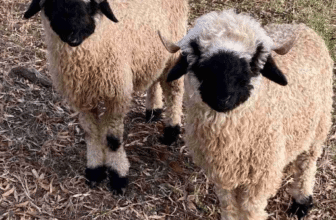
For hotter northern climates, consider hair sheep or breeds with lighter fleeces that won’t suffer heat stress. But if you’re in that sweet spot of temperate Australia, you’ve got options. Breeds adapted to variable conditions, including some stunning rare varieties like the charismatic Valais Blacknose, can thrive when given proper shelter and seasonal management.
What’s Your Endgame?
Be honest about why you want sheep. Lawnmowers with personality? Freezer full of local farm sheep meat? A small wool or fiber business? Your answer determines everything.
If you’re after premium meat for your family or farm-gate sales, breeds like English Leicester produce exceptional lamb with distinctive flavor profiles that chefs actually seek out. The meat is well-marbled, tender, and carries that genuine paddock-to-plate quality city folks will pay premium prices for. Some farmers even sell whole lambs and hogget direct to customers, offering better value than supermarket cuts.
Want wool for spinning, felting, or selling to crafters? Heritage breeds produce sought-after fleeces that the commercial wool industry can’t match. Raw fleece sells surprisingly well at farmers’ markets and online to fiber artists who value traceable, ethically-raised materials.
Temperament Trumps Everything Else
Here’s what nobody tells you: on small acreage, you’re working closely with these animals daily. Flighty, aggressive breeds will make your life miserable. Look for calm, people-friendly temperaments, especially if kids are involved. Some heritage breeds are famously docile and curious and they’ll follow you around like dogs and actually enjoy human interaction.
Visit working farms during open days or by appointment. See different breeds in action. Watch how they move, interact, and respond to handling. Ask farmers the uncomfortable questions about vet costs, feed requirements during droughts, and what actually goes wrong.
The Local Advantage
Sourcing Australian sheep breeds from established local farms gives you sheep already adapted to your regional climate and farming conditions. You’ll get practical advice, ongoing support, and often the chance to see parent stock before committing. Some properties even offer farm stays where you can experience daily sheep care firsthand before taking the plunge yourself. Choose wisely, start small, and you’ll wonder why you didn’t get sheep sooner.