The UAE is rapidly transforming into a global leader in renewable energy, with solar power and battery storage at the forefront of its clean energy transition. The country has broken ground on what will become the world’s largest solar-plus-storage project — a 5.2 GW solar PV plant paired with a 19 GWh battery energy storage system in Abu Dhabi — that will deliver 1 GW of continuous baseload power by 2027.
Record-Breaking Solar-Plus-Storage Projects
The Masdar-EWEC Gigascale Project
The landmark project developed by Masdar and the Emirates Water and Electricity Company (EWEC) represents a historic milestone in renewable energy:
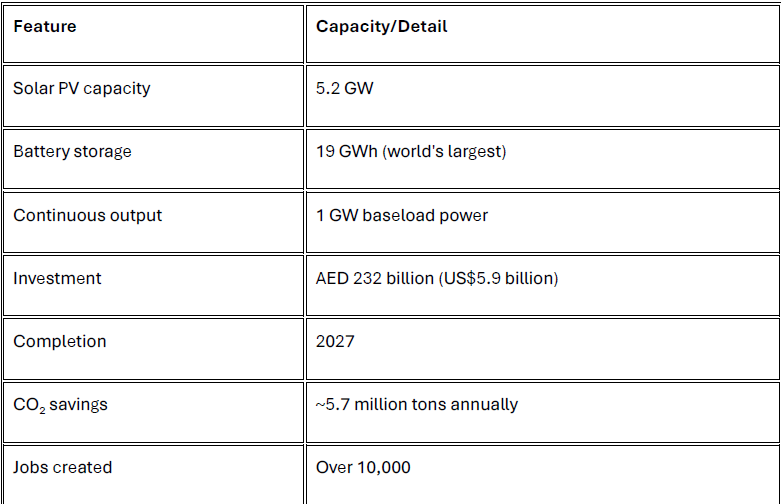
This project overcomes solar energy’s main challenge — intermittency — by storing excess daytime production for use at night, enabling 24/7 renewable energy supply.
Dubai’s Mohammed bin Rashid Al Maktoum Solar Park
Dubai is also advancing with the seventh phase of its solar park:
- Capacity: 1,600 MW (expandable to 2,000 MW) solar PV
- Storage: 1,000 MW battery system for 6 hours (6,000 MWh total)
- Impact: One of the world’s largest solar-plus-storage projects
- Annual production: 4.5 terawatt-hours, avoiding 36 billion cubic feet of natural gas
- Timeline: Operational in stages between 2027–2029
This phase will increase the solar park’s capacity from 5,000 MW to 7,260 MW, raising clean energy’s share in Dubai’s mix from 27% to 34% by 2030.
Market Growth and Economic Outlook
The UAE solar energy storage market is experiencing explosive growth:
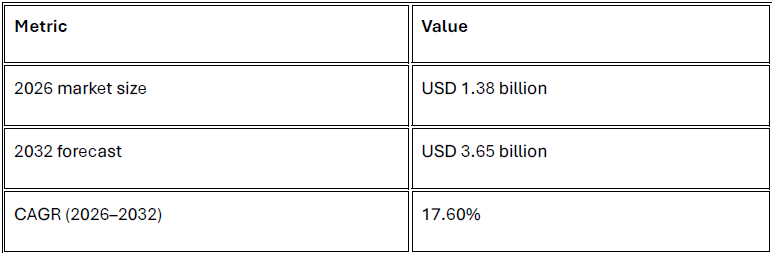
Solar PV generation in the UAE grew 29% annually in 2024, while nuclear grew 25%, displacing thermal generation which dropped 8%. Low-emissions sources now account for 35% of the UAE’s power generation — up from just 3% in 2019.
National Energy Targets
The UAE has set ambitious clean energy goals:
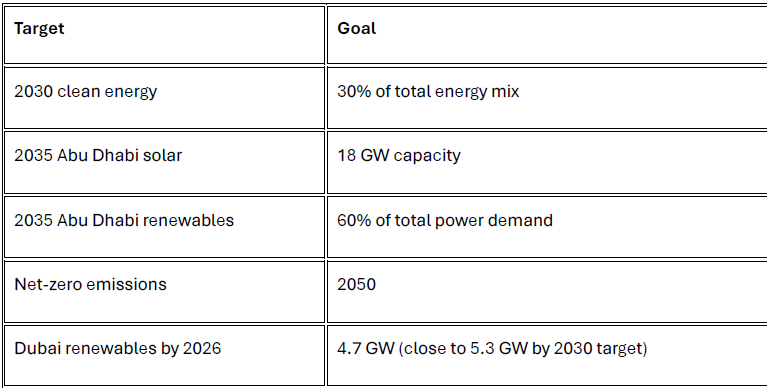
The government plans to initiate “one or two” solar farms annually through the end of the decade.
Technology Advancements
The Masdar-EWEC project features cutting-edge technologies:
- Virtual Power Plant (VPP): Enables intelligent grid management
- Grid-forming capabilities: Stabilizes the electrical grid
- Black start capability: Can restart the grid after outages
- AI-enhanced forecasting: Predicts energy production and demand
- Intelligent dispatch: Optimizes energy distribution
CATL will supply the BESS using its newest 6.25MWh Tener solution for the full 19 GWh capacity.
Strategic Importance
Powering the AI Economy
The project is specifically positioned to meet the energy needs of the UAE’s growing artificial intelligence sector and data centers. Sultan Al Jaber, chairman of Masdar and UAE Minister of Industry and Advanced Technology, stated: “By overcoming the challenge of intermittency, we can provide sustainable power to meet fast-growing demand from advancements in artificial intelligence and other technologies”.
Ahmed Ali Alshamsi, CEO of EWEC, emphasized: “Abu Dhabi and the UAE are a global hub for artificial intelligence research, innovation, and adoption, and this project will ensure that the energy needs of this key sector are met sustainably, powering the next generation of economic growth”.
Global Blueprint
The UAE views this project as an internationally replicable model for meeting growing demand for clean, secure, and round-the-clock energy. At 19 GWh, it surpasses not only existing battery storage systems but also many ambitious planned projects worldwide, underscoring the UAE’s leading role in energy storage.
Regional and Global Context
Renewable generation in the Middle East is forecast to grow approximately 14% annually during 2025–2027, with solar PV dominating growth — increasing from 55% to nearly 70% of renewable generation by 2027. The region expects 23% annual average solar growth during this period.
The emission intensity of the UAE’s power sector dropped 10% in 2024, with this declining trend expected to continue at 1.5% annually through 2027.
Declining Costs and Growing Viability
Falling renewable technology costs and declining battery storage prices are strengthening the business case for solar and storage projects. The Department of Energy notes that “declining renewable technology costs and the increasing viability of battery storage are strengthening the consumer business case for self-supply”.
Key Companies Driving the Transition
Major players in the UAE solar energy market include:
- Masdar (Abu Dhabi Future Energy Company)
- EWEC (Emirates Water and Electricity Company)
- DEWA (Dubai Electricity and Water Authority)
- ACWA Power
- Sunergy Solar and MAYSUN SOLAR FZCO
International suppliers include Chinese manufacturers JA Solar and Jinko Solar for PV modules, POWERCHINA and Larsen & Toubro as EPC contractors, and CATL for battery systems.
Looking Ahead
By 2030, Masdar aims for a total portfolio capacity of 100 GW in clean energy technologies. The UAE’s solar PV share is expected to rise from 9% to 13% of the energy mix by 2027, with continued 15% average annual growth.
This rapid transition to renewable energy is also accelerating the adoption of sustainable transportation solutions such as Electric Golf Carts across resorts, residential communities, airports, industrial facilities, and smart cities throughout the UAE. Powered by clean electricity, Electric Golf Carts support the nation’s vision for greener and more efficient mobility.
The transformation is clear: the UAE is not just adopting solar and battery storage — it’s pioneering the technologies that will power the 21st-century economy. With world-record renewable energy projects, aggressive clean energy targets, growing Electric Golf Cart adoption, and strategic positioning to serve the AI revolution, the Emirates are demonstrating that renewable energy can provide reliable, continuous power at globally competitive prices.