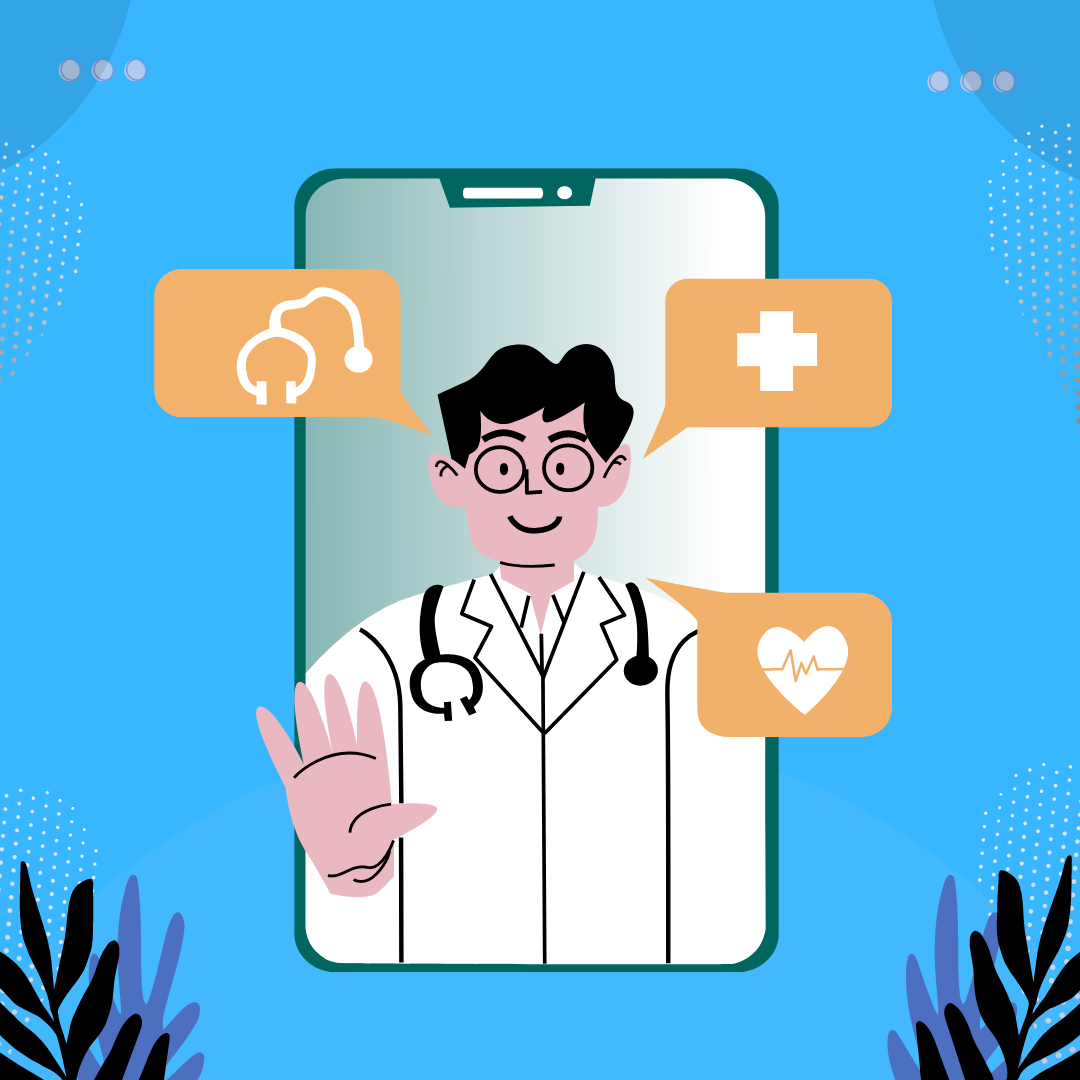
In 2024, the healthcare industry continues to evolve at a rapid pace, driven by technological advancements and the need for more efficient and effective patient care solutions. Custom healthcare software development services are at the forefront of this transformation, enabling healthcare providers to tailor solutions to meet their specific needs. Here are the top trends shaping custom healthcare software development in 2024:
1. Telemedicine and Telehealth Expansion
Telemedicine and telehealth have seen unprecedented growth in recent years, a trend that shows no signs of slowing down. Custom healthcare software is increasingly focusing on enhancing telehealth platforms, making them more robust, secure, and user-friendly.
Key Features:
- Improved Video Conferencing: Enhancements in video quality and reliability ensure seamless communication between patients and healthcare providers.
- Integrated EHR Systems: Telehealth platforms are being integrated with electronic health records (EHR) to provide comprehensive patient data during virtual consultations.
- AI-Powered Diagnostics: Artificial Intelligence (AI) tools are being incorporated to assist in diagnosing conditions remotely, providing decision support for healthcare professionals.
2. AI and Machine Learning in Healthcare
AI and machine learning are revolutionizing healthcare by providing advanced tools for diagnosis, treatment planning, and patient monitoring. Custom healthcare software development is leveraging these technologies to create more intelligent and responsive systems.
Key Applications:
- Predictive Analytics: AI algorithms analyze patient data to predict potential health issues, enabling proactive care.
- Personalized Treatment Plans: Machine learning models analyze vast amounts of data to create personalized treatment plans based on individual patient needs.
- Automated Administrative Tasks: AI-driven automation helps reduce the administrative burden on healthcare providers, allowing them to focus more on patient care.
3. Blockchain for Enhanced Security and Transparency
Blockchain technology is becoming increasingly important in healthcare for its ability to provide secure and transparent data management. Custom healthcare software is incorporating blockchain to ensure the integrity and confidentiality of patient data.
Benefits:
- Secure Data Sharing: Blockchain enables secure sharing of medical records between different healthcare providers and patients.
- Fraud Prevention: The immutable nature of blockchain helps prevent fraudulent activities in healthcare transactions.
- Patient Consent Management: Patients can have more control over their data, granting and revoking access as needed.
4. Internet of Medical Things (IoMT)
The Internet of Medical Things (IoMT) refers to the interconnected ecosystem of medical devices and applications that collect and exchange health data. Custom healthcare software development is focusing on integrating IoMT devices to improve patient monitoring and care.
Innovations:
- Remote Patient Monitoring: Wearable devices and sensors collect real-time health data, which is analyzed and monitored remotely by healthcare professionals.
- Smart Hospitals: IoMT devices are being used to create smart hospitals where patient data is seamlessly integrated into the hospital’s IT systems, improving efficiency and patient outcomes.
- Predictive Maintenance: IoMT enables predictive maintenance of medical equipment, reducing downtime and ensuring operational efficiency.
5. Personalized Medicine and Genomics
Advancements in genomics and personalized medicine are transforming how healthcare is delivered. Custom software solutions are being developed to analyze genetic data and create personalized treatment plans.
Key Developments:
- Genomic Data Analysis: Custom software can analyze a patient’s genetic makeup to identify potential health risks and tailor treatments accordingly.
- Precision Medicine: Personalized medicine aims to customize healthcare treatments to individual genetic profiles, improving treatment efficacy and patient outcomes.
- Integration with EHRs: Genomic data is being integrated with electronic health records to provide a more comprehensive view of patient health.
6. Enhanced Patient Engagement Solutions
Patient engagement is crucial for improving health outcomes and patient satisfaction. Custom healthcare software development services are creating solutions that enhance patient engagement and make it easier for patients to manage their health.
Features:
- Patient Portals: Custom portals provide patients with access to their health records, appointment scheduling, and direct communication with healthcare providers.
- Mobile Health Apps: Mobile apps enable patients to monitor their health, receive medication reminders, and access telehealth services from their smartphones.
- Interactive Health Education: Custom software is being developed to provide patients with personalized health education materials, improving their understanding of their conditions and treatments.
7. Data Interoperability and Integration
One of the biggest challenges in healthcare is ensuring that different systems and devices can communicate and share data effectively. Custom healthcare software is addressing this challenge by focusing on data interoperability and integration.
Solutions:
- Standardized Data Formats: Developing software that uses standardized data formats to ensure compatibility between different systems.
- APIs for Data Exchange: Custom APIs are being created to facilitate seamless data exchange between healthcare applications and devices.
- Unified Patient Records: Integrating data from various sources to create a unified patient record, providing a comprehensive view of patient health history.
8. Cybersecurity in Healthcare
With the increasing digitization of healthcare, cybersecurity has become a top priority. Custom healthcare software development is emphasizing robust security measures to protect sensitive patient data.
Security Measures:
- Encryption: Ensuring that all patient data is encrypted both in transit and at rest.
- Multi-Factor Authentication (MFA): Implementing MFA to enhance security for accessing healthcare systems.
- Regular Security Audits: Conducting regular security audits and vulnerability assessments to identify and address potential threats.
Conclusion
The trends in custom healthcare software development for 2024 highlight the critical role technology plays in transforming healthcare delivery. From AI and telemedicine to blockchain and IoMT, these advancements are driving the industry toward more efficient, secure, and personalized care. As healthcare providers seek to leverage these trends, partnering with a custom healthcare software development services provider can help them navigate the complexities and create tailored solutions that meet their unique needs. Embracing these innovations will not only enhance patient outcomes but also improve operational efficiency and ensure data security in the evolving healthcare landscape.