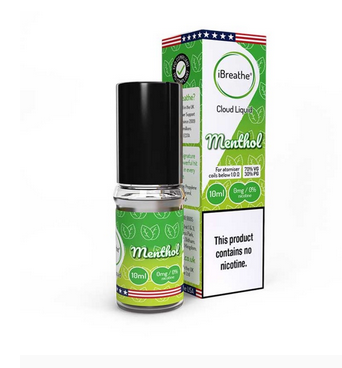
Vaping has become a popular alternative to traditional smoking, attracting many newcomers eager to explore this modern experience. At the heart of vaping lies vape liquids, also known as e-liquids or e-juices, which come in various flavors, nicotine strengths, and ingredient compositions. This beginner’s guide aims to provide a comprehensive understanding of vape liquids, helping you make informed choices as you embark on your vaping journey.
1. What Are Vape Liquids?
Definition
Composition: Vape liquids are the fluids used in electronic cigarettes and vaping devices. When heated, they produce vapor that is inhaled by the user.
Main Ingredients
Base Liquids: The primary ingredients in most vape liquids are propylene glycol (PG) and vegetable glycerin (VG). These create the vapor and carry the flavorings and nicotine.
2. Understanding PG and VG
Propylene Glycol (PG)
Characteristics: PG is a thin, flavorless liquid that provides a throat hit similar to smoking. It is often favored by those transitioning from traditional cigarettes.
Flavor Carrier: PG is excellent at carrying flavors, which makes it a common choice in many e-liquids.
Vegetable Glycerin (VG)
Characteristics: VG is thicker and sweeter than PG, producing denser vapor clouds. It is often used by vapers who prefer a smoother experience.
Flavor Enhancement: While VG has its own mild sweetness, it can dilute flavors, making it essential to strike a balance between PG and VG.
3. Nicotine Levels
Understanding Nicotine Strengths
Variations: Vape liquids come in various nicotine strengths, typically ranging from 0 mg (no nicotine) to 36 mg or more. Choosing the right strength depends on your smoking history and personal preference.
Personalization: Beginners may start with a higher nicotine level to satisfy cravings, gradually tapering down as they become more accustomed to vaping.
Nicotine Delivery
Different Experiences: The way nicotine is delivered can vary based on the device used. Sub-ohm devices, for example, often require lower nicotine levels due to the larger vapor production.
4. Flavor Profiles
Variety of Flavors
Options Galore: One of the appealing aspects of vaping is the vast array of flavors available. From fruity and dessert flavors to menthol and tobacco, there is something for everyone.
Experimentation: Don’t hesitate to try different flavors to find your favorite. Many vapers enjoy switching flavors based on their mood or time of day.
Flavor Quality
Importance of Ingredients: The quality of flavorings in e-liquids can vary. Look for products that use food-grade flavorings for a better vaping experience.
5. Choosing the Right Vape Liquid
Consider Your Preferences
Personal Taste: Think about what flavors you enjoy. If you like minty flavors, for instance, menthol or spearmint e-liquids may be appealing.
Desired Experience: Decide whether you prefer a stronger throat hit or a smoother inhale, as this will influence your choice between PG and VG ratios.
Research Brands
Reputation Matters: Look for reputable brands that prioritize quality and safety. Reading reviews and checking for lab testing can help ensure you choose a reliable product.
6. The Importance of Ingredients
Quality Matters
Ingredient Transparency: Always check the ingredient list on e-liquids. Avoid products that contain harmful additives or unverified ingredients.
Lab Testing: Choose e-liquids that have undergone third-party lab testing to ensure safety and quality.
Allergies and Sensitivities
Know Your Body: Be aware of any allergies or sensitivities you may have to specific ingredients, such as PG or certain flavorings.
7. Understanding Vape Devices
Device Compatibility
Choosing a Device: The type of vape liquid you choose may depend on your vaping device. Some devices perform better with high VG liquids, while others are better suited for high PG liquids.
Coil Resistance: Different coils and resistances can affect flavor and vapor production. Research your device to find the best match for your chosen e-liquid.
Starter Kits
Beginner-Friendly Options: If you’re new to vaping, consider investing in a starter kit that includes both the device and compatible e-liquids. This can simplify your initial experience.
8. Vaping Techniques
Inhaling Styles
Mouth-to-Lung (MTL): This technique mimics the way traditional smokers inhale. You draw the vapor into your mouth, then inhale it into your lungs. It’s often used with higher nicotine levels and is compatible with higher PG liquids.
Direct Lung (DL)
Vaping Style: This style involves inhaling vapor directly into the lungs, typically used with sub-ohm devices and lower nicotine levels. It allows for larger vapor production and is often paired with higher VG liquids.
9. Safety Considerations
Handling E-Liquids
Storage: Store vape liquids in a cool, dark place to maintain their quality. Keep them out of reach of children and pets.
Avoiding Contamination: Always use clean equipment and avoid mixing different e-liquids in the same tank to prevent unwanted flavors.
Understanding Risks
Health Awareness: While vaping is generally considered less harmful than smoking, it is crucial to stay informed about potential health risks. Research the latest findings and guidelines related to vaping.
10. Staying Informed
Community and Resources
Join Forums: Engage with the vaping community through online forums and social media groups. These platforms can provide valuable insights and recommendations.
Keep Learning: Stay updated on the latest trends and developments in the vaping world, including new flavors, devices, and regulations.
Conclusion
Understanding vape liquids is essential for anyone looking to embark on their vaping journey. By familiarizing yourself with the ingredients, nicotine levels, flavors, and device compatibility, you can make informed choices that enhance your vaping experience. As you explore the diverse world of vape liquids, remember to prioritize quality and safety, ensuring that your transition from traditional smoking is both enjoyable and satisfying. Happy vaping!