Couture fashion, often referred to simply as “couture,” is a pinnacle of high fashion that represents the epitome of luxury, craftsmanship, and exclusivity. This guide will delve into the essence of this fashion, exploring what it entails, its historical roots, and its significance in the modern fashion industry.
What is Couture Fashion?
Couture fashion, or haute couture, is a term derived from the French language, meaning “high sewing” or “high dressmaking.” It is characterized by custom-fitted clothing made from high-quality, expensive fabric and meticulously sewn with extreme attention to detail, often using time-consuming, hand-executed techniques. It is synonymous with exclusivity and luxury, catering to an elite clientele who seek unique, one-of-a-kind garments that reflect their personal style and status.
In essence, what is haute couture if not the ultimate expression of sartorial art? Unlike ready-to-wear collections that are produced in standard sizes and available in stores, these fashion pieces are made to measure for each client. This personalized approach ensures a perfect fit and unparalleled craftsmanship, elevating the garment from mere clothing to a work of art.
The History of Haute Couture
The history of haute couture is rich and storied, tracing its origins back to the mid-19th century. The term “haute couture” itself was popularized by the English couturier Charles Frederick Worth, who is often credited with founding the first true couture house in Paris in 1858. Worth’s innovative approach to fashion, which included presenting collections on live models and offering personalized fittings, set the standard for what is now known as haute couture.
The history of haute couture is marked by the contributions of numerous iconic designers who have shaped the industry. In the early 20th century, designers such as Coco Chanel, Christian Dior, and Cristóbal Balenciaga revolutionized haute couture with their visionary creations. Chanel introduced a more relaxed, modern silhouette, while Dior’s “New Look” brought back a sense of opulence and femininity after World War II. Balenciaga, known for his architectural designs, pushed the boundaries of haute couture with his innovative shapes and meticulous craftsmanship.
Throughout the decades, the history of haute couture has seen the rise and fall of various fashion houses, each leaving an indelible mark on the industry. Designers like Yves Saint Laurent, Givenchy, and Valentino continued to push the envelope, blending tradition with modernity and keeping the spirit of haute couture alive. Today, haute couture remains a vital part of the fashion world, with houses like Must Clothing, Dior, and Valentino still at the forefront of innovation and creativity.
The Craftsmanship
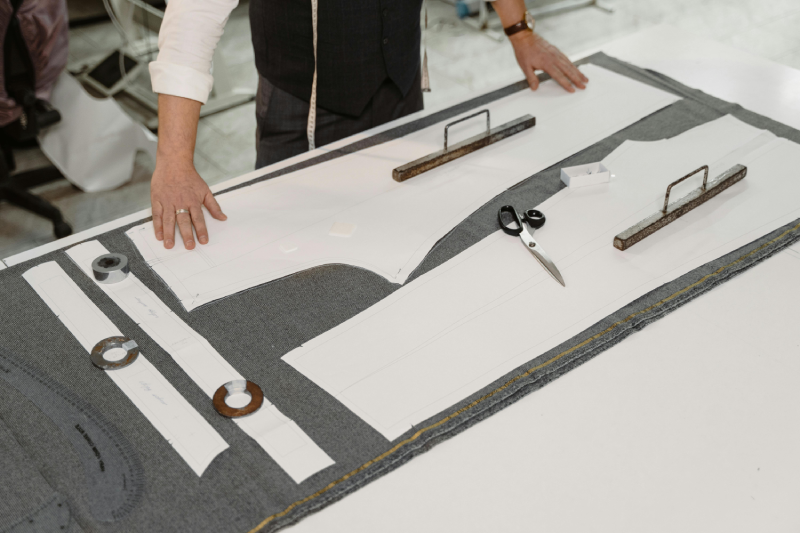
At the heart of this fashion lies an unparalleled level of craftsmanship. Each garment is a testament to the skill and artistry of the couturiers who create them. The process begins with a sketch or concept, which is then translated into a toile – a prototype garment made from muslin or another inexpensive fabric. This toile is fitted to the client’s measurements, allowing the couturier to perfect the design before cutting into the final, often very costly, fabric.
What is couture fashion without its hallmark of intricate handwork? The construction of a couture garment involves numerous skilled artisans, including pattern makers, seamstresses, embroiderers, and finishers. Techniques such as hand embroidery, beadwork, lace appliqué, and hand painting are commonly used to add unique details to the garments. The result is a piece that not only fits perfectly but also showcases a level of detail and quality that is unmatched by mass-produced fashion.
The Modern Relevance
In an era dominated by fast fashion and mass production, haute couture stands as a beacon of timeless elegance and sustainability. The exclusivity and high cost associated with this make it accessible only to a select few, but its influence extends far beyond its small clientele. This fashion sets trends, inspires ready-to-wear collections, and showcases the highest standards of creativity and craftsmanship in the industry.
Despite the challenges posed by changing consumer habits and economic fluctuations, the demand for this fashion remains strong. The biannual haute couture weeks in Paris are highly anticipated events that draw attention from fashion enthusiasts, celebrities, and media worldwide. These shows not only highlight the latest creations from the world’s top couturiers but also reaffirm the relevance and allure of couture fashion in the modern age.
Conclusion
Couture fashion, with its rich history and unparalleled craftsmanship, continues to captivate and inspire. Understanding what is couture fashion and the history of haute couture provides a glimpse into a world where artistry, luxury, and exclusivity reign supreme. As the fashion industry evolves, the enduring appeal of couture fashion serves as a reminder of the timeless beauty and craftsmanship that define this unique realm of high fashion.
Whether you’re an aspiring fashion designer, a fashion enthusiast, or simply curious about the world of haute couture, this guide offers a comprehensive overview of the essence and significance of couture fashion. Embrace the elegance and sophistication that couture fashion represents, and appreciate the artistry and dedication that go into creating these exquisite garments.
In conclusion, couture fashion embodies timeless creations like the iconic Little Black Dress and the revolutionary Bar Suit. With a legacy dating back to 1999, Must Clothing upholds uncompromising craftsmanship, blending cutting-edge design with responsible sourcing of diverse fabrics. Commitment to fostering strong partnerships and delivering bespoke solutions ensures that every garment created stands as a testament to dedication to excellence. Trust Must Clothing to exceed expectations, crafting garments that reflect both heritage and unique vision.