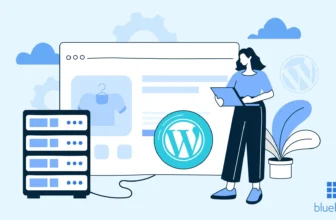
Enterprise e-commerce architecture is the combination of different technologies and methods that help an online business run. Key components include front-end user interfaces, back-end systems, payment gateways, and data management solutions. Essential methods involve making sure scalability, security, and a seamless user experience drive sales and smooth customer satisfaction.
Core Components of Enterprise E-Commerce Architecture
1. Front-End Layer
- UI/UX Design: UI/UX web design is most popular on today’s e-commerce platform. UI/UX make the store attractive and user-friendly. The web design and usability of the storefront, including responsive design, intuitive navigation, and personalized experiences. UI and UX are important elements that can greatly impact customer satisfaction and conversion rates.
- Content Management System (CMS): A system for managing and delivering product descriptions, images, videos, and blogs across an e-commerce website. Images play an important role in online sales and can greatly influence a customer’s decision to purchase.
- Web and Mobile Applications: Mobile apps and responsive web designs are examples of web and mobile applications that users interact with when using an e-commerce site. To ensure a frictionless experience for users across all devices, your website needs to be optimized for mobile as well as desktop.
2. Back-End Layer
- Product Information Management (PIM): centralized management of product data, ensuring consistent information across all channels.
- Order Management System (OMS): Manages order processing, from order capture to fulfillment and delivery.
- Customer Relationship Management (CRM): systems that manage customer data, interactions, and support, often integrated with marketing and sales tools.
- Inventory Management System: Tracks stock levels, manages inventory across multiple locations, and integrates with suppliers.
- Payment Gateway Integration: Securely processes payments, supports various payment methods and ensures PCI compliance.
3. Middleware
- API Management: Facilitates communication between different systems, such as connecting the front-end with the back-end and third-party services.
- Integration Platform as a Service (iPaaS): Provides a platform for integrating different software applications and services across the enterprise.
4. Data Layer
- Database Management: Centralizes the storage and retrieval of all data, including customer, product, and transaction data.
- Data Warehousing: Stores large volumes of data from different sources, enabling business intelligence (BI) and analytics.
- Analytics and Reporting: Tools and platforms to analyze data, generate insights, and produce reports for decision-making.
5. Security Layer
- Identity and Access Management (IAM): manages user identities and access to systems, ensuring secure authentication and authorization.
- Data Encryption: Make sure that sensitive data is secured in transit and at rest to protect against breaches.
- Compliance Management: Ensures that the e-commerce system adheres to legal and regulatory requirements, such as GDPR and PCI-DSS.
Key Strategies in Enterprise E-Commerce Architecture
1. Scalability and Performance Optimization
- Load Balancing: By distributing incoming traffic among numerous servers, load balancing ensures high availability and performance.
- Auto-Scaling: Automatically adjusts resources based on traffic demands, make sure the system can handle heavy loads.
- Content Delivery Network (CDN): Uses a network of servers to deliver content quickly to users based on their geographic location, reducing load times and latency.
2. Microservices Architecture
- Decoupled Services: Separates the e-commerce platform into services (cart, payment, user management) that can be developed, deployed, and scaled separately.
- Service Orchestration: Manages and coordinates the interaction between microservices to ensure seamless operation.
3. Omnichannel Strategy
- Unified Commerce: Integrates all customer touchpoints (online, in-store, mobile, and social) into a single, cohesive experience.
- Cross-Channel Integration: Ensures that customers have a consistent experience across all channels, with synchronized inventory, pricing, and promotions.
4. Personalization and Customer Experience
- Personalized Recommendations: It uses AI and machine learning to offer personalized product recommendations based on customer behavior and preferences.
- Dynamic Content: Tailors content, offers, and messages to individual users based on their profiles and browsing history.
- Customer Segmentation: Groups customers based on various criteria (e.g., behavior, demographics) to deliver targeted marketing and personalized experiences.
5. Data-Driven Decision Making
- Real-Time Analytics: Monitors and analyzes data in real-time to make quick, informed decisions on inventory, pricing, and promotions.
- Predictive Analytics: Uses historical data and AI to forecast trends, customer behavior, and sales, aiding in strategic planning.
6. Security and Compliance
- Zero Trust Security Model: Assumes that threats can come from both inside and outside the network, requiring strict verification for all access attempts.
- Frequent penetration tests and audits: To find and fix vulnerabilities, conducts frequent security tests and audits.
- Compliance Automation: Automates the monitoring and enforcement of compliance requirements across the e-commerce platform.
Final thought
Enterprise e-commerce architecture is important for building a scalable, secure, and high-performing online business. It integrates key components such as user-friendly front-end interfaces, robust back-end systems, seamless middleware, and comprehensive data management solutions. This architecture allows businesses to handle large volumes of traffic, transactions, and data securely and efficiently.
Elightwalk is a Shopify development company that specializes in creating customized e-commerce solutions to help businesses thrive in the digital marketplace. Their team of experts can provide a wide range of services, including theme development, app integration, custom Shopify development, Shopify integration, Shopify migration, Shopify extension development, Shopify web design, and ongoing maintenance and support to ensure that your online store stands out from the competition.