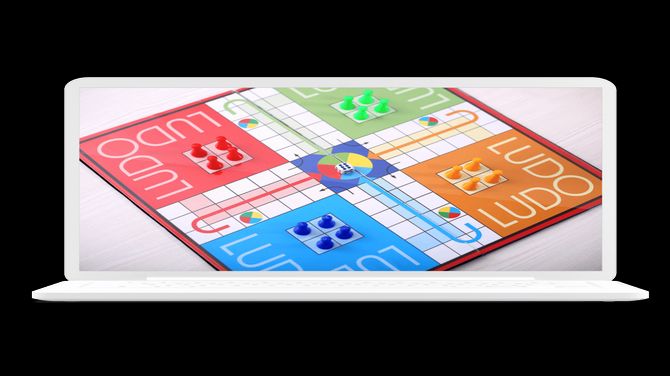
In the highly competitive gaming industry, ensuring the quality and stability of a game is paramount to its success. For companies specializing in Rummy Game Development and Ludo Game Development, thorough testing is essential to deliver a seamless, engaging, and reliable experience for users. This guide will take you through the crucial testing stages and best practices to maintain the highest standards of quality, stability, and user satisfaction for Rummy and Ludo games.
1. Functional Testing: Ensuring Core Features Work as Expected
Functional testing verifies that every feature in the game performs as expected. For Rummy and Ludo games, this includes testing essential game mechanics such as card dealing, dice rolling, player turns, scoring, and in-game rewards. A comprehensive approach to functional testing involves:
- Unit Testing: Isolating and testing individual components, such as the shuffling algorithm in Rummy or the dice mechanics in Ludo, to confirm they work correctly.
- Integration Testing: Ensuring various components, like the multiplayer lobby and in-game chat, work together seamlessly.
- Regression Testing: After each update or bug fix, verify that new changes haven’t disrupted previously functioning features.
2. Performance Testing: Maintaining Stability Under Load
Performance testing helps Rummy and Ludo Game Development companies ensure their games can handle varying loads, including peak player times. This testing is crucial to prevent server crashes and maintain smooth gameplay even when thousands of players join concurrently. Key aspects of performance testing include:
- Load Testing: Simulate different player loads to test the server’s response time and stability.
- Stress Testing: Push the system to its limits to see how it handles extreme conditions. For example, a massive influx of players at a specific time.
- Latency Testing: Especially in multiplayer environments, low latency is essential. Test to ensure that moves, such as dealing cards or rolling dice, happen without noticeable delay.
3. Usability Testing: Optimizing the Player Experience
User satisfaction is essential to retaining players, making usability testing a top priority for any Rummy and Ludo Game Development Company. This testing assesses how intuitive, enjoyable, and engaging the game is for players. Usability testing involves:
- User Interface (UI) Testing: Ensure all buttons, menus, and game elements are easy to understand and navigate. Consistency in UI across different devices is also essential.
- User Experience (UX) Testing: Analyze the player journey, from joining the game to navigating features. For instance, test how easy it is for players to switch between different game modes or communicate with other players.
- Feedback Collection: Invite real users or focus groups to play the game and gather feedback on their experience. This information helps improve the design and functionality, catering to player expectations.
4. Compatibility Testing: Ensuring Multi-Platform Functionality
In today’s market, players expect games to be accessible on multiple devices. Rummy and Ludo games need to run smoothly on a range of devices, operating systems, and screen sizes. Compatibility testing helps verify:
- Cross-Device Compatibility: Whether the game performs equally well on mobile, tablets, and desktops.
- Cross-Browser Compatibility: For web-based versions, ensure the game functions as expected on all popular browsers.
- Operating System Compatibility: Test across different operating systems (iOS, Android, Windows) to ensure consistent gameplay and UI appearance.
5. Security Testing: Protecting Player Data and Ensuring Fair Play
Security is critical, especially in Rummy Game Development, where players often make monetary transactions. Implementing robust security testing helps protect user data and prevent cheating, ensuring fair play and building trust with players. Security testing should cover:
- Data Protection: Verify encryption of sensitive data like usernames, passwords, and payment information.
- Anti-Fraud and Anti-Cheating: Test features that detect unusual behaviors, such as bots, collusion, or unauthorized tools that may exploit the game.
- Transaction Security: Test the stability and security of all monetary transactions, ensuring there are no vulnerabilities that could lead to financial loss for players or the company.
6. Localization Testing: Adapting to Global Audiences
If your game targets players from different regions, localization testing is vital. It ensures that the game content, language, and cultural references resonate with local players. Localization testing for Rummy and Ludo Game Development should include:
- Language Adaptation: Verify that all game text and instructions are correctly translated and culturally appropriate.
- Local Rules Customization: In some regions, players may prefer specific variations of Rummy or Ludo. Adapting rules to local preferences can enhance user satisfaction and engagement.
- Cultural Relevance: Customize visuals, symbols, and sounds to align with local customs and expectations, providing a more authentic experience for players worldwide.
7. Accessibility Testing: Making the Game Inclusive for All Players
Accessibility testing ensures the game is playable for individuals with disabilities, broadening the player base. Key considerations include:
- Screen Reader Compatibility: For visually impaired users, ensure that all on-screen elements are compatible with screen readers.
- Color Contrast and Text Size: Make sure text and buttons are clearly visible, especially for colorblind players or those with visual impairments.
- Alternative Controls: Test that the game can be played using keyboard-only inputs or other accessible methods, ensuring it’s inclusive to all types of players.
8. Automation Testing: Improving Efficiency and Coverage
Automation testing speeds up repetitive tasks and is ideal for running tests across multiple devices. Automated testing tools can help a Rummy and Ludo Game Development Company maintain high-quality standards and test cases efficiently. Automation testing involves:
- Automated UI Testing: Test UI consistency and responsiveness on various devices.
- Scripted Game Scenarios: Automate gameplay scenarios to simulate player actions, including card shuffling, dice rolling, and player interactions.
- Regression Testing Automation: Use automation tools to verify that new code updates don’t interfere with existing features.
9. Beta Testing: Gathering Real-World Feedback
Before the official launch, beta testing allows a select group of real users to experience the game and provide feedback. This stage is invaluable for fine-tuning and detecting any last-minute issues. Effective beta testing includes:
- Closed Beta: Invite a small group of users, often loyal players or experienced gamers, to provide detailed feedback on gameplay, UI, and functionality.
- Open Beta: Allow a broader audience to access the game, gathering data on various device types, connection speeds, and gameplay experiences.
- Feedback Loops: Use player feedback to make rapid adjustments and prepare the game for a successful full launch.
Conclusion
For a Rummy Game Development or Ludo Game Development Company, rigorous testing is essential to delivering a high-quality, stable, and user-friendly game. By following these testing stages—functional, performance, usability, compatibility, security, localization, accessibility, automation, and beta testing—developers can ensure their games meet the highest standards, ultimately leading to higher user satisfaction, increased retention, and greater success in the competitive gaming industry.
A thorough approach to testing not only enhances the gaming experience but also helps build trust and loyalty among players, setting your Rummy or Ludo game apart in the market.