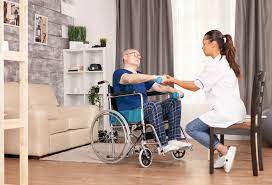
Disability accommodation in Sydney, particularly for those supported by the National Disability Insurance Scheme (NDIS), is guided by stringent accessibility standards aimed at ensuring inclusivity, comfort, and independence. The importance of these standards cannot be overstated as they play a crucial role in enhancing the quality of life for individuals with disabilities. Let’s delve into the specifics of these accessibility standards and how they shape NDIS disability accommodation in Sydney.
Understanding NDIS and Its Impact
The NDIS is a revolutionary framework in Australia, designed to provide support to individuals with disabilities through funding and personalized plans. This scheme has significantly transformed the landscape of disability services, including housing, making it imperative for accommodation providers in Sydney to adhere to high standards of accessibility.
Key Accessibility Standards for NDIS Housing
- Universal Design Principles: Universal design principles are fundamental to NDIS housing. These principles advocate for homes that are accessible to all people, regardless of their physical abilities. This includes step-free access to the property, wide doorways and hallways to accommodate wheelchairs, and bathrooms and kitchens that are easily usable by individuals with various disabilities.
- Livable Housing Design Guidelines: The Livable Housing Design Guidelines (LHDG) are another cornerstone of NDIS housing standards. These guidelines outline essential features that should be present in disability accommodation in Sydney. Features like reinforced walls in bathrooms for the future installation of grab rails, accessible light switches and power points, and continuous accessible paths of travel from the street to the dwelling are emphasized.
- Specialist Disability Accommodation (SDA) Standards: SDA standards are specifically tailored for housing intended for participants with extreme functional impairment or very high support needs. These standards focus on robust construction and materials to ensure safety and durability, the inclusion of assistive technologies, and provisions for 24/7 support. SDA properties often feature emergency power solutions, fire sprinkler systems, and automated doors and windows.
Implementation in Sydney
Sydney, being a major metropolitan area, has seen a significant push towards integrating these standards into the development of disability accommodations. Various new housing projects are incorporating these guidelines to ensure they meet the needs of NDIS participants.
1. Government Initiatives and Regulations: The New South Wales government has been proactive in enforcing these standards. Through collaboration with developers and disability service providers, they ensure that new constructions and renovations comply with NDIS accessibility requirements. Regulations are regularly updated to reflect the evolving needs and technologies in disability accommodation.
2. Private Sector Involvement: Many private developers in Sydney are also investing in disability-friendly housing. By integrating advanced design principles and state-of-the-art assistive technologies, they are not only meeting the required standards but often exceeding them to provide high-quality living environments for NDIS participants.
3. Community and Non-Profit Efforts: Non-profit organizations and community groups play a significant role in advocating for and facilitating the development of accessible housing. These groups often provide resources and support to both NDIS participants and developers, ensuring that the housing meets the practical needs of the residents.
Conclusion
The focus on accessibility standards for NDIS housing in Sydney underscores a commitment to inclusivity and quality of life for individuals with disabilities. By adhering to universal design principles, Livable Housing Design Guidelines, and SDA standards, Sydney is paving the way for a more inclusive society. These efforts not only fulfill legal and ethical obligations but also promote a culture of empathy and support for people with disabilities, ensuring that they have the opportunity to live independently and with dignity in a city that accommodates their needs.