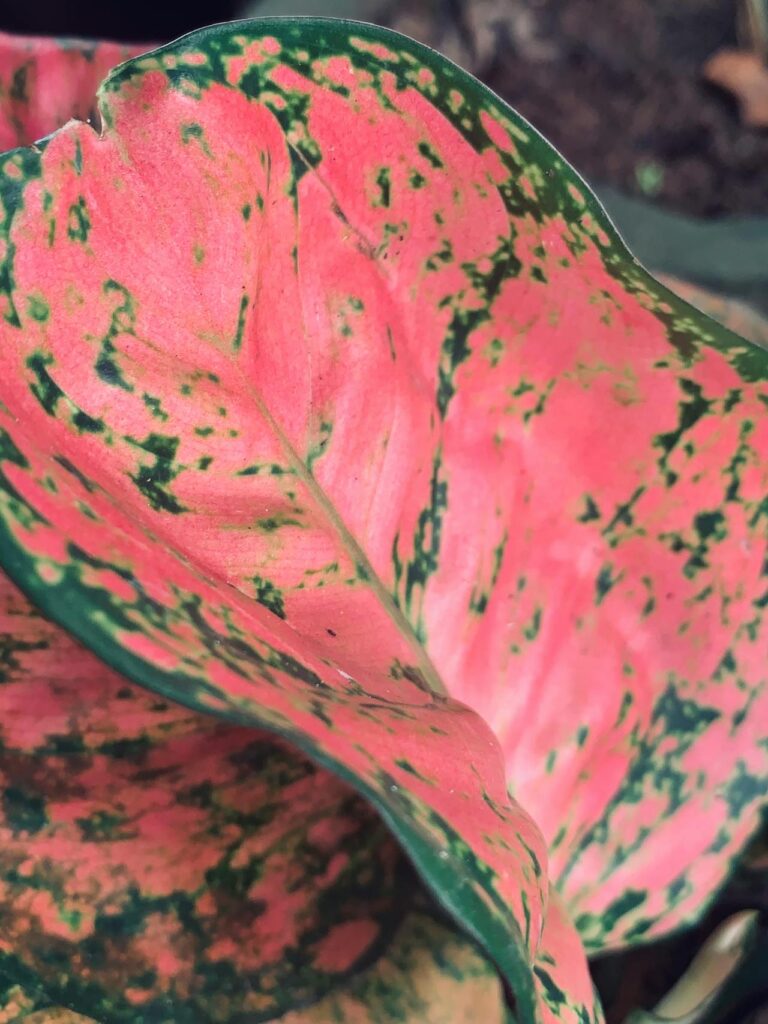
Aglaonema Pink is a popular houseplant renowned for its vibrant, variegated leaves that feature shades of pink, green, and white. Originating from tropical regions, this plant thrives in indoor environments, making it an ideal choice for homes and offices. Beyond its aesthetic appeal, Aglaonema Pink is celebrated for its ability to enhance indoor air quality, contributing to a healthier living space.
How Aglaonema Pink Purifies the Air
Aglaonema Pink purifies the air through a process known as photosynthesis, where plants convert carbon dioxide into oxygen. Additionally, this plant absorbs various pollutants from the air, thereby improving overall air quality. The large, broad leaves of Aglaonema Pink provide ample surface area for absorbing airborne toxins, making it highly effective in cleaning indoor air.
Mechanism of Air Purification
- Photosynthesis: Converts carbon dioxide into oxygen, enriching the air with fresh oxygen.
- Absorption of Pollutants: The plant’s leaves absorb volatile organic compounds (VOCs) and other harmful chemicals.
- Humidity Regulation: Transpiration by the plant releases moisture into the air, increasing humidity levels which can alleviate dryness in indoor environments.
Specific Pollutants Removed by Aglaonema Pink

Aglaonema Pink is particularly effective at removing several common indoor pollutants, including:
1. Formaldehyde
Formaldehyde is a widespread indoor pollutant found in building materials, household products, and furnishings. Aglaonema Pink efficiently absorbs formaldehyde, reducing its concentration in the air.
2. Benzene
Benzene, present in products like paints, detergents, and pesticides, can cause various health issues. Aglaonema Pink helps in mitigating benzene levels, promoting a healthier indoor environment.
3. Trichloroethylene
Used in industrial applications and household cleaners, trichloroethylene is another harmful VOC that Aglaonema Pink can effectively remove from the air.
4. Xylene
Xylene, commonly found in printing, rubber, and leather industries, is another toxin that Aglaonema Pink helps to eliminate, ensuring cleaner and safer indoor air.
Health Benefits of Improved Indoor Air Quality
Enhancing indoor air quality through plants like Aglaonema Pink offers numerous health benefits, including:
1. Reduced Respiratory Issues
Cleaner air with fewer pollutants can significantly decrease the incidence of respiratory problems such as asthma, allergies, and bronchitis.
2. Enhanced Cognitive Function
Improved air quality can lead to better concentration, memory, and overall cognitive performance, making Aglaonema Pink an excellent addition to home offices and study areas.
3. Increased Energy Levels
Fresh oxygen and reduced toxins in the air can boost energy levels, reducing feelings of fatigue and promoting a more active lifestyle.
4. Lower Stress Levels
Aesthetic greenery, combined with cleaner air, creates a calming environment that can help reduce stress and improve mental well-being.
Additional Health Benefits of Aglaonema Pink
Beyond air purification, Aglaonema Pink offers other health-related advantages:
1. Stress Reduction
Interacting with indoor plants has been shown to lower cortisol levels, the body’s primary stress hormone, fostering a more relaxed and peaceful atmosphere.
2. Enhanced Mood
The presence of greenery and nature-inspired elements like Aglaonema Pink can elevate mood and increase feelings of happiness and contentment.
3. Natural Humidifier
Through transpiration, Aglaonema Pink releases moisture into the air, which can help combat dry skin, irritated eyes, and respiratory discomfort caused by low humidity levels in winter.
Tips to Maximize Air Purification
To ensure that Aglaonema Pink effectively purifies the air in your home, consider the following tips:
1. Optimal Placement
Place Aglaonema Pink in areas where it can receive indirect sunlight, such as near windows with filtered light. Avoid direct harsh sunlight, which can scorch the leaves.
2. Regular Maintenance
Keep the leaves clean by wiping them with a damp cloth to remove dust and maximize their ability to absorb pollutants. Regularly trim any dead or yellowing leaves to encourage healthy growth.
3. Proper Potting
Use well-draining soil and pots with adequate drainage holes to prevent waterlogging. This ensures that the plant remains healthy and continues to purify the air effectively.
4. Adequate Watering
Water Aglaonema Pink moderately, allowing the soil to dry out between waterings. Overwatering can lead to root rot, while underwatering can stress the plant and reduce its air-purifying capabilities.
5. Seasonal Care
Adjust your care routine based on seasonal changes. During winter, reduce watering frequency and ensure the plant is kept away from cold drafts to maintain its health and air-purifying efficiency.
Conclusion
Incorporating Aglaonema Pink into your home not only enhances its visual appeal but also significantly improves indoor air quality. Its ability to remove harmful pollutants like formaldehyde, benzene, trichloroethylene, and xylene makes it an invaluable addition to any living space. Beyond air purification, Aglaonema Pink offers numerous health benefits, including reduced respiratory issues, enhanced cognitive function, increased energy levels, and stress reduction.
By following the tips outlined in this guide, you can maximize the air-purifying qualities of Aglaonema Pink and enjoy a healthier, more vibrant home environment. Embrace the beauty and benefits of this remarkable plant, and let it transform your indoor space into a sanctuary of clean air and serene beauty.