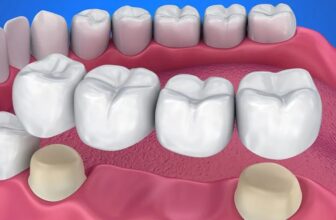
Dental implants have revolutionized modern dentistry, offering individuals a permanent solution for missing teeth. However, not all implants are created equal. Choosing between All-on-4 and traditional dental implants is a critical decision that impacts functionality, aesthetics, and oral health.
Comprehending Dental Implants
Dental implants are biocompatible titanium artificial tooth roots that merge with the jawbone to create a stable foundation for replacement teeth. Unlike dentures, implants offer long-term stability, improved speech, and a natural bite, restoring confidence and oral function.
What Are Traditional Dental Implants?
Traditional dental implants involve placing a titanium post into the jawbone and allowing it to bond with the bone through osseointegration. After several months of healing, an abutment is placed, followed by a custom crown. This method ensures durability but requires a significant investment of time and bone density for successful integration.
What Is the All-on-4 Dental Implant System?
The All-on-4 system is a full-arch restoration technique that uses only four implants to support a complete set of prosthetic teeth. Two implants are placed at an angle in the posterior jaw, maximizing contact with existing bone and eliminating the need for grafting. This approach offers a quicker, more efficient solution for full-mouth restoration.
Surgical Procedure Comparison
Traditional implants require multiple surgeries: one for implantation, a waiting period for bone fusion, and another for crown placement. The All-on-4 method, however, is often completed in a single session, allowing patients to leave with a fully functional set of teeth the same day. This reduces recovery time and surgical complexity.
Timeframe for Completion
Patience is key with traditional implants, as the process can take six months to a year due to healing phases and multiple procedures. All-on-4, on the other hand, provides immediate functionality, making it a more appealing choice for those seeking faster results.
Bone Density and Grafting Requirements
Traditional implants require sufficient bone mass for successful integration. If bone loss has occurred, grafting is often necessary, extending the treatment timeline. All-on-4 strategically places implants where bone density is highest, minimizing—or completely bypassing—the need for grafts.
Cost Analysis
Traditional implants can be expensive, especially when replacing multiple teeth, as each is placed individually. All-on-4, by using fewer implants, reduces surgical and material costs. While both methods represent a significant investment, All-on-4 is often the more cost-effective full-arch restoration option.
Durability and Longevity
Both traditional and All-on-4 implants boast impressive longevity when properly maintained. Traditional implants, being individually placed, distribute bite forces more evenly, potentially offering a longer lifespan. All-on-4 is durable but may experience more wear due to fewer anchorage points.
Aesthetic and Functional Outcomes
Both optionsprovide a natural-looking smile. Traditional implants closely mimic natural teeth and offer precise customization, while All-on-4 provides an immediate transformation with a complete set of prosthetic teeth. Functionally, both restore bite strength, though some patients prefer the individualized structure of traditional implants.
Who Is the Best Candidate for Each?
Traditional implants are ideal for individuals with sufficient bone density and time to commit to a prolonged healing process. All-on-4 suits those with extensive tooth loss, minimal bone structure, or those seeking a faster, graft-free solution.
Potential Risks and Complications
Complications such as infection, implant failure, or bone loss can occur with both methods. Traditional implants risk prolonged healing failures, while All-on-4 may experience added stress on fewer implant points. Proper planning and post-operative care mitigate these risks significantly.
Maintenance and Long-Term Care
Oral hygiene is paramount. Traditional implants function like natural teeth and require standard brushing and flossing. All-on-4 implants need special cleaning techniques to prevent plaque buildup beneath the prosthetic bridge. Regular dental check-ups ensure both options remain in optimal condition.
Patient Recovery and Comfort
Recovery differs between the two methods. Traditional implants require multiple surgeries and extended healing, often causing discomfort. All-on-4 reduces surgical trauma, leading to a shorter recovery period and less post-operative pain. Many patients return to daily activities within a few days.
Success Rates and Clinical Studies
Both options have high success rates. Studies show that traditional implants have a 95-98% success rate over ten years, while All-on-4 boasts a 94-96% success rate. The slightly lower percentage for All-on-4 is due to added stress on fewer implant points, but outcomes remain highly favorable.
Psychological and Lifestyle Benefits
Beyond aesthetics, dental implants improve quality of life. All-on-4 provides an immediate confidence boost by restoring a full smile in one day, while traditional implants offer a long-term, stable solution. Both methods enhance self-esteem, speech, and the ability to enjoy a varied diet.
Choosing between All-on-4 and traditional dental implants depends on individual needs, bone health, and personal preferences. While traditional implants offer superior long-term stability, All-on-4 provides an efficient, graft-free alternative for full-mouth restoration.Consulting with a dental professional ensures the best long-term oral health and functionality decision.
FAQs
1. Which is more affordable?
All-on-4 is often less expensive since it only requires four implants per arch, whereas standard implants require 6-10, which raises costs.
2. How long do they last?
Both last 15-20+ years with proper care. Traditional implants may last longer, but All-on-4 prosthetics may need replacement.
3. Do I need bone grafting?
All-on-4 rarely requires bone grafting due to its angled implant placement, while traditional implants often do.
4. Can I get new teeth in one day?
Yes! All-on-4 allows for same-day teeth, while traditional implants require 3-6 months before final crowns.
5. Which looks and feels more natural?
Both offer natural aesthetics, but traditional implants replace individual teeth, while All-on-4 replaces an entire arch.



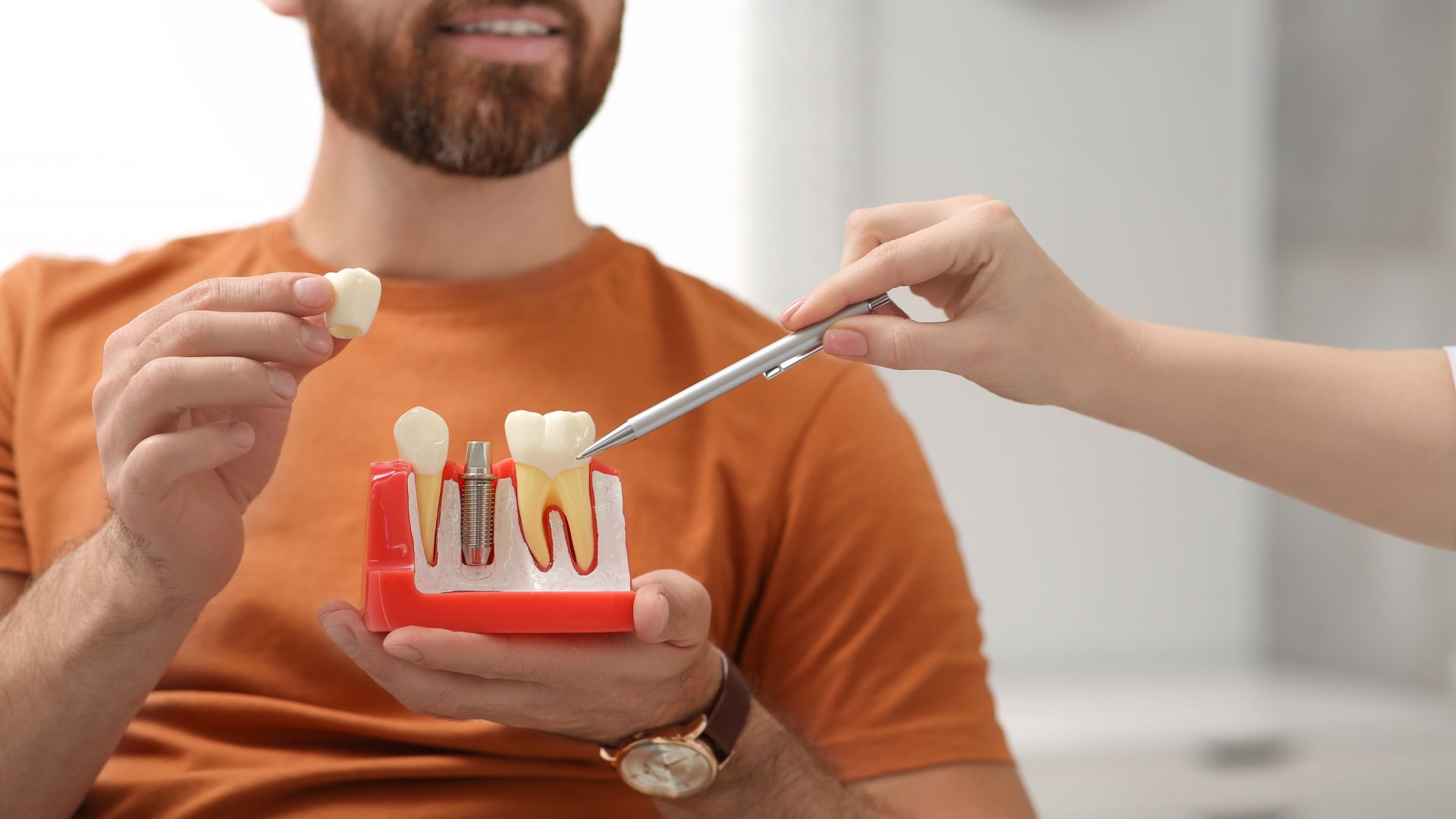
 Traditional implants require multiple surgeries: one for implantation, a waiting period for bone fusion, and another for crown placement. The All-on-4 method, however, is often completed in a single session, allowing patients to leave with a fully functional set of teeth the same day. This reduces recovery time and surgical complexity.
 Both options provide a natural-looking smile. Traditional implants closely mimic natural teeth and offer precise customization, while All-on-4 provides an immediate transformation with a complete set of prosthetic teeth. Functionally, both restore bite strength, though some patients prefer the individualized structure of traditional implants.