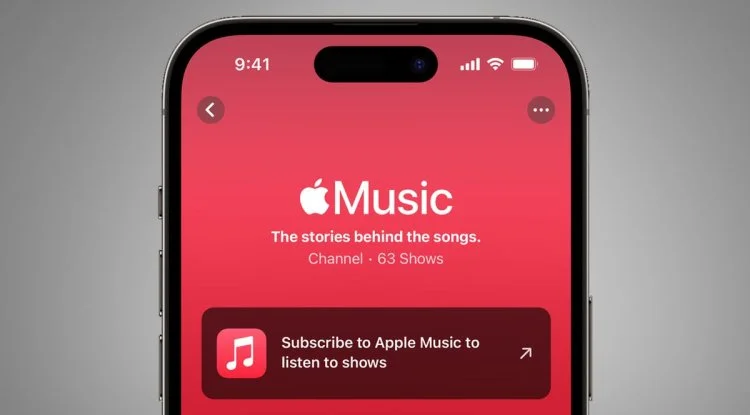
In an increasingly interconnected world, music serves as a universal language that transcends cultural and geographical boundaries. Apple Music, as one of the largest music streaming platforms globally, has played a pivotal role in democratizing access to music from every corner of the globe. By promoting international artists, curating globally diverse playlists, and allowing users to easily explore genres outside of their traditional preferences, Apple Music has reshaped how we discover and consume music. As music lovers dive into the vast catalog of Apple Music, they are exposed to a wide array of artists, languages, and cultural sounds that were once inaccessible to mainstream audiences. This article explores how Apple Music has contributed to breaking down cultural and linguistic barriers in the global music industry and what this means for the future of music consumption worldwide.
1. Apple Music’s Global Playlists: A Gateway to Diverse Sounds
One of the most effective ways that Apple Music has impacted the global music industry is through its curated global playlists. These playlists are specifically designed to showcase the best of international music, allowing listeners to discover artists from different regions, such as Latin America, Africa, Asia, and the Middle East. Apple Music’s flagship global playlists, such as “Today’s Hits” and “New Music Daily”, often feature songs from non-Western artists, helping them gain international exposure.
Moreover, playlists like “Africa Now,” “¡Dale Play!”, and “Asian Rising” highlight music from underrepresented regions and make it easily accessible to global audiences. By breaking the cycle of Western-centric music consumption, Apple Music has enabled millions of users to explore new sounds, contributing to a more inclusive and culturally diverse music ecosystem.
2. The Rise of Non-English Tracks in Top Charts
Apple Music’s influence can be seen not only in its playlists but also in the growing prominence of non-English tracks on global music charts. Traditionally, the top positions on global charts were dominated by English-language songs, particularly from the U.S. and the U.K. However, the rise of Latin artists like Bad Bunny, J Balvin, and Rosalia, as well as K-pop sensations like BTS and BLACKPINK, is changing the narrative. Through strategic placement on high-traffic playlists and algorithmic recommendations, Apple Music has helped amplify the reach of these artists, allowing them to break into markets where language might have once been a barrier.
For example, BTS’s collaboration with Coldplay on the hit song “My Universe” was streamed millions of times on Apple Music, reaching audiences across the globe. Similarly, artists like Maluma and Ozuna have dominated the charts with their reggaeton hits, even in countries where Spanish is not the primary language. The exposure of non-English tracks has expanded listeners’ horizons, leading to a more globally integrated music scene.
3. How Apple Music Promotes International Artists
One of the defining features of Apple Music is its commitment to promoting international talent, regardless of whether they are signed to major labels or independent. Apple Music regularly highlights artists from different regions through exclusive interviews, artist spotlights, and special promotional campaigns. The platform also partners with various music festivals, cultural events, and initiatives such as “Up Next,” which supports emerging artists from around the world.
For example, Apple Music’s “Up Next” program has shone a spotlight on rising stars like Nigerian artist Burna Boy and Brazilian singer Anitta, giving them a global stage and introducing their music to millions of users. Apple Music’s editorial team also collaborates with regional experts to ensure that the playlists reflect authentic local sounds and provide a genuine introduction to the music scenes of various cultures.
4. Cultural Crossovers and Collaborations
Another significant way Apple Music is influencing the global music industry is by encouraging cross-cultural collaborations. With easy access to artists and producers from different parts of the world, it’s becoming more common to see crossovers between artists from diverse musical traditions. Apple Music, through its curated playlists and editorial features, often promotes these collaborative efforts, ensuring that they receive the attention they deserve.
A prime example of this is the collaboration between Nigerian artist Wizkid and Canadian singer Drake on the global hit “One Dance,” which became one of the most streamed songs of the year. Similarly, Puerto Rican singer Bad Bunny’s collaborations with American artists like Cardi B and Drake have further cemented his presence in both the Latin and mainstream music markets. These cross-cultural collaborations, supported by Apple Music, have not only introduced new sounds to wider audiences but have also paved the way for more genre-bending music that challenges traditional boundaries.
5. Apple Music and the Future of Global Music Integration
As music streaming continues to evolve, Apple Music’s role in shaping the global music industry is likely to grow. With the advent of advanced technologies like Spatial Audio and Lossless Streaming, Apple Music is providing an even richer listening experience for users, allowing them to appreciate the intricacies of music from different cultures. Moreover, as Apple Music continues to expand its presence in new markets, we can expect to see even more diverse music offerings and collaborations that span across borders.
Looking ahead, Apple Music is poised to further integrate global music trends into its platform by leveraging artificial intelligence and machine learning to improve music recommendations. As more users worldwide access the platform, Apple Music will have the opportunity to introduce even more local and emerging artists to an international audience. This ongoing exchange of musical ideas across cultures will play a crucial role in breaking down the remaining barriers in the global music industry.
Conclusion:
Apple Music has fundamentally altered the global music landscape by promoting diversity, encouraging cross-cultural collaborations, and giving a voice to artists from all over the world. Through its curated global playlists, the rise of non-English songs in the charts, and programs like “Up Next,” Apple Music continues to foster an inclusive and interconnected music community. As Apple Music remains a significant player in the industry, it’s evident that it will continue to shape the future of global music consumption. By breaking down barriers and promoting a wide range of genres and artists, Apple Music has made it easier than ever for listeners to explore the world of music beyond their borders.