Fire suppression systems are vital in protecting buildings and their occupants from the devastating effects of fire. These systems are designed to detect fires and take action to suppress them before they cause significant damage. There are two main types of fire suppression systems: manual and automated. Both play essential roles in fire safety, but they differ in terms of operation, cost, and effectiveness. In this article, we will compare manual and automated fire suppression systems, explore their unique benefits, and help you decide which system is best suited for your needs.
What is Fire Suppression
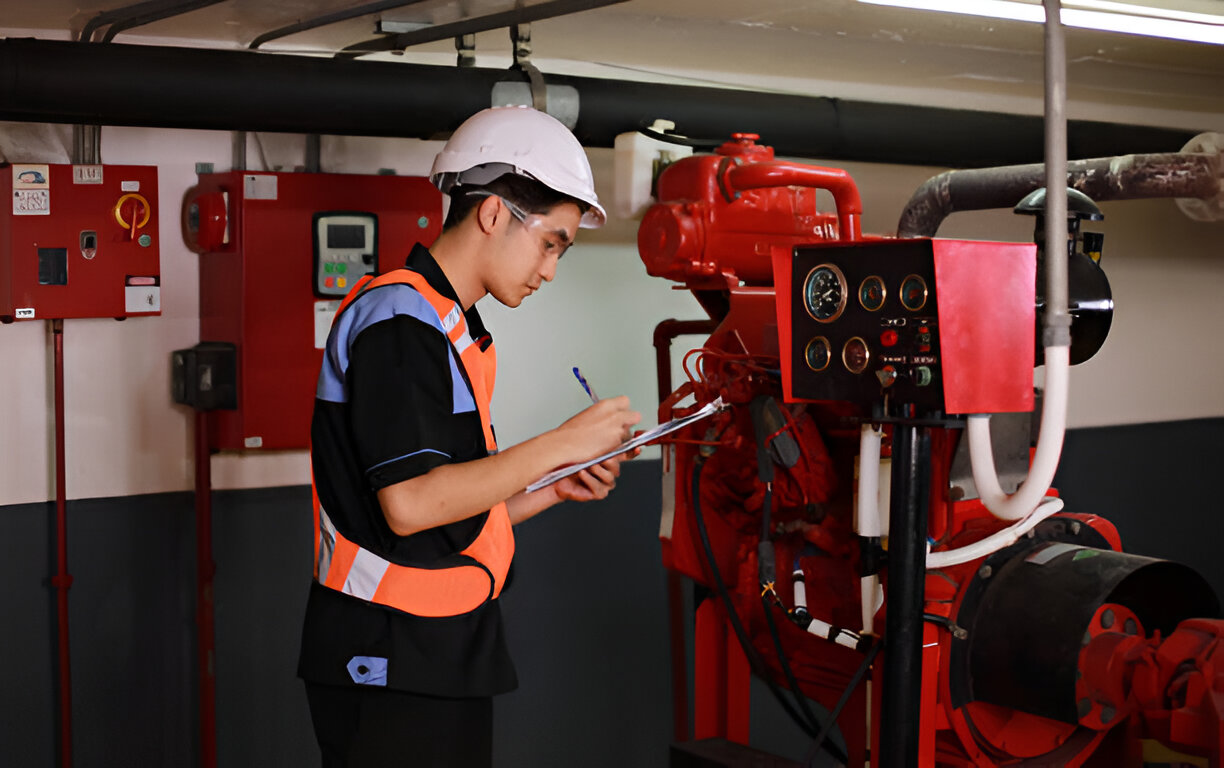
Fire suppression refers to the process of controlling or extinguishing fires using specialized systems designed to release suppressive agents like water, foam, or gases. Fire suppression systems work by detecting heat, smoke, or flames and deploying the appropriate suppression agents to minimize the fire’s impact. Depending on the type of system, they can be activated manually or automatically.
Manual Fire Suppression Systems
Manual fire suppression systems require human intervention to activate. Typically, these systems include fire extinguishers, hoses, or fire alarms that must be triggered by a person on the premises. Once activated, manual suppression systems can release water or other suppressive agents, depending on the system’s design.
Benefits of Manual Fire Suppression
- Immediate Response: When a fire breaks out, personnel can act quickly by activating manual suppression systems like fire extinguishers or alarms.
- Cost-Effective: Manual systems tend to have lower upfront installation costs, as they do not require advanced technology or automation.
- Control: These systems give individuals the ability to assess the situation before taking action, providing more control over the fire suppression process.
However, manual systems do have limitations. They rely on the availability and quick action of people, which may not always be feasible during a fire, especially in large buildings or when occupants are unfamiliar with how to properly use the equipment.
Automated Fire Suppression Systems
Automated fire suppression systems, on the other hand, are designed to detect fires and activate automatically, without requiring any human intervention. These systems are equipped with sensors that detect heat, smoke, or flame, triggering the release of suppressive agents. Automated fire suppression systems can be integrated with a building’s fire alarm system and typically provide more comprehensive coverage than manual systems.
Benefits of Automated
- Quick and Accurate Response: Automated systems can respond immediately to a fire, detecting the threat and suppressing it within seconds, often before it has a chance to spread.
- 24/7 Protection: Unlike manual systems that depend on human intervention, automated systems provide constant, around-the-clock protection, even when no one is present.
- Reduced Risk of Human Error: Since the system operates without human involvement, there is less chance for error or delays in activation, which is especially important in high-risk environments.
Automated fire suppression systems come in various types, such as water-based systems (like sprinklers), foam systems, and clean agent systems, each designed to address specific fire risks. For example, a clean agent system may be used in data centers to avoid water damage while suppressing fires.
Key Differences Between Manual and Automated
Activation Process
- Manual Systems: Require human intervention to activate the system, such as pulling a lever or using a fire extinguisher.
- Automated Systems: Automatically detect fire and activate the suppression agents without the need for human input.
Response Time
- Manual Systems: The response time is dependent on human reaction, which may be delayed in panic situations or due to a lack of training.
- Automated Systems: Typically have faster response times, as they are designed to detect and suppress fires almost instantly.
Cost
- Manual Systems: Generally, manual fire suppression systems have lower initial costs, making them more accessible for smaller businesses or residential buildings. However, they may require more frequent maintenance and training for personnel.
- Automated Systems: The installation cost for automated systems tends to be higher due to the complexity of the technology and the need for professional installation. However, these systems often require less maintenance and can be more cost-effective in the long term due to their efficiency.
Coverage
- Manual Systems: These systems provide localized protection, as they only address the specific area where the fire occurs and where human intervention is applied.
- Automated Systems: Offer more comprehensive coverage, protecting entire buildings or areas and responding to fires as soon as they are detected.
Choosing the Right Fire Suppression for Your Needs
The decision between manual and automated fire suppression systems depends on various factors, including the size and complexity of the building, the fire risks present, and your budget. For smaller buildings or residential properties, manual fire suppression systems may be sufficient when paired with a good fire safety plan. However, for larger commercial or industrial facilities, automated systems are often the better choice due to their speed, reliability, and ability to protect vast areas.
For those located in areas like Corona, where fire safety regulations are strict, consulting with experts who specialize in fire suppression systems in Corona can provide valuable insights into what system will best suit your needs. Professionals can assess your building’s specific fire risks and design a tailored fire suppression system that meets local codes and ensures maximum protection.
Role of Fire Suppression in Workplace Safety
Both manual and automated fire suppression systems play a critical role in maintaining a safe environment for employees and occupants. These systems are part of a broader fire safety strategy that includes evacuation plans, fire alarms, and fire drills. By ensuring that your building is equipped with the right fire suppression system, you can greatly reduce the risk of injury or death in the event of a fire.
In a high-pressure environment like fire safety, maintaining a calm and focused mindset is essential. Practices like Reiki Healing Online can help individuals find inner peace and mental clarity, which can improve decision-making during emergencies. Whether it’s preparing your team for potential fire emergencies or managing stressful situations, Reiki Healing can offer emotional and mental support, ensuring better outcomes in fire safety management.
Conclusion
When comparing manual and automated fire suppression systems, it’s clear that both have their advantages depending on the specific needs of your building. Manual systems offer lower upfront costs and give occupants control over activation, but they rely heavily on human response time. Automated systems, while more expensive to install, offer quicker and more reliable protection with minimal human intervention, making them ideal for larger or more complex buildings.
Understanding these differences is crucial when selecting the best system for your property. Whether you choose manual or automated systems, both play a vital role in safeguarding lives and property. For expert advice and reliable installation, consulting professionals in fire suppression systems can help ensure that your fire protection measures meet all requirements and provide peace of mind.