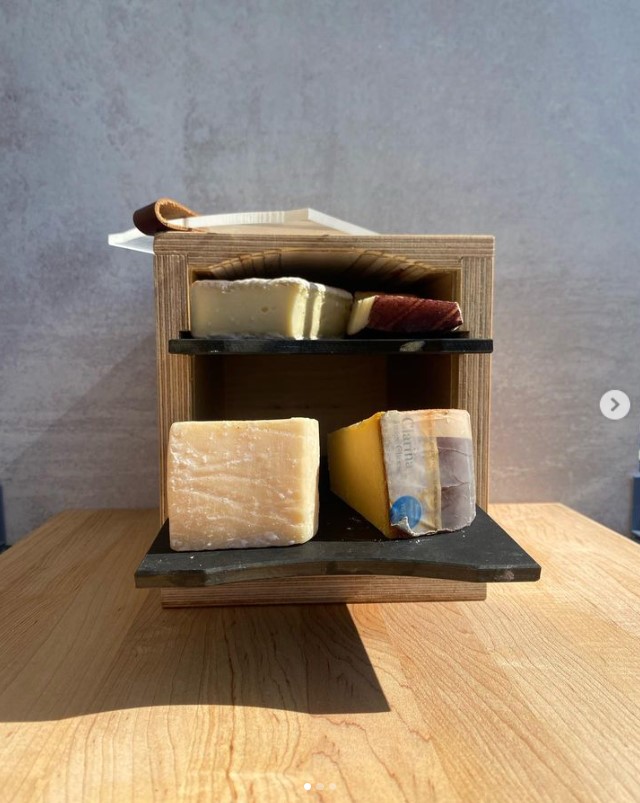
There’s something magical about assembling a cheese board on a crisp autumn evening—the rich, nutty flavors of aged cheeses mingling with sweet apple slices and honeycomb. But here’s what I’ve learned after years of hosting fall gatherings: successful cheese pairings aren’t about luck. They’re based on simple flavor science that anyone can master.
Understanding the Fall Cheese Profile
Autumn cheeses tend to be richer and more complex than their summer counterparts. Why? Cows, goats, and sheep graze on heartier fall grasses and dried herbs before winter, which concentrates the milk’s fat and flavor compounds. This creates cheeses with deeper, nuttier profiles—perfect for the season’s warming flavors.
The key to pairing is balance: you want to either complement similar flavors or create pleasant contrasts that highlight each element.
The Sweet-Nutty Combination
Aged Gruyère + Fresh Pears + Walnuts
This is my go-to trio every October. Aged Gruyère has natural sweetness from caramelized proteins that develop during aging. When paired with ripe Bosc or Anjou pears, the cheese’s nutty undertones amplify while the pear’s juiciness cuts through the richness.
Why it works: The fruit’s acidity resets your palate between bites, preventing flavor fatigue. Walnuts add textural contrast and echo the cheese’s earthy notes.
Pro tip: Let your pears sit at room temperature for 30 minutes before serving. Cold fruit mutes flavors and creates an unpleasant temperature clash.
The Savory-Spicy Match
Sharp Cheddar + Apple Butter + Whole Grain Crackers
Aged cheddar (12+ months) develops crystalline protein structures that create a pleasant crunch and concentrated tang. Apple butter’s warm spices—cinnamon, clove, and nutmeg—complement cheddar’s sharpness without overwhelming it.
Why it works: The proteins and fats in cheese bind with capsaicin-like compounds in spices, mellowing harsh edges while enhancing aromatic qualities. It’s the same principle that makes wine and cheese pair so well.
I discovered this combination at a Vermont dairy farm, where the cheesemaker spread local apple butter on cloth-wrapped cheddar. Game changer.
The Rich-Tart Balance
Creamy Blue Cheese + Dried Figs + Honey
Many people shy away from blue cheese, but fall is when it truly shines. The key is balancing its sharp, salty intensity with concentrated sweetness.
Why it works: Dried figs contain natural sugars and tannic compounds that mirror those found in aged cheese. A drizzle of honey (especially darker varieties like buckwheat or chestnut honey) creates a bridge between the fruit’s texture and the cheese’s creaminess.
Serving suggestion: Warm your honey slightly by placing the jar in hot water for 5 minutes. This releases volatile aromatic compounds and makes it easier to drizzle.
The Earthy-Smoky Pairing
Gouda (Smoked or Aged) + Roasted Pecans + Quince Paste
Aged Gouda develops butterscotch notes from milk sugars breaking down over time. Smoked Gouda adds another layer with woody, campfire-like qualities.
Why it works: Roasting pecans creates Maillard reactions—the same browning that gives Gouda its caramel color. Quince paste (membrillo) adds floral sweetness and pectin-based texture that contrasts beautifully with crystalline cheese.
This pairing is especially successful at Thanksgiving gatherings because it incorporates familiar fall flavors in an elevated way.
Fall Beverage Pairings That Elevate Everything
Hard Cider: The acidity cuts through rich cheeses while apple notes create natural synergy. Try drier ciders with aged cheeses, sweeter versions with blues.
Amber Ales: Malty sweetness complements nutty Alpine cheeses like Comté or Appenzeller.
Hot Tea: Black teas (especially Earl Grey) work surprisingly well with sharp cheddars. The bergamot oil echoes citrus notes in aged cheese.
Common Pairing Mistakes to Avoid
Overloading flavors: Three to five cheeses maximum. More creates decision fatigue and muddled palates.
Ignoring temperature: Serve all cheeses at room temperature (60-70°F). This takes 45-60 minutes from refrigerator to ideal serving state.
Forgetting texture: Include crunchy (nuts, crackers), creamy (cheese), chewy (dried fruit), and liquid (honey, jam) elements for complete sensory experience.
The Science Made Simple
Successful pairings work on these principles:
- Fat + Acid = Balance (cheese + fruit or wine)
- Protein + Tannin = Harmony (aged cheese + nuts or tea)
- Salt + Sweet = Contrast (blue cheese + honey)
- Similar Flavors = Amplification (nutty cheese + toasted nuts)
Your Fall Cheese Board Blueprint
Start with these four elements:
- One aged hard cheese (Gruyère, aged Gouda, or clothbound cheddar)
- One creamy cheese (Brie, Camembert, or blue)
- Two seasonal accompaniments (fresh and dried fruit)
- One textural element (toasted nuts or honeycomb)
Add crackers, bread, and your beverage of choice. That’s it—no need to overthink it.
The beauty of fall cheese pairings is their forgiving nature. Start with these proven combinations, then experiment based on what’s available at your local market. The best pairing is always the one you enjoy sharing with others on a cool autumn evening.