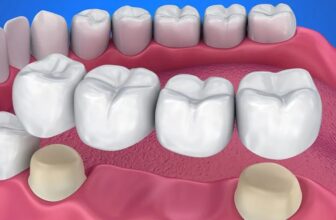
Tooth enamel is the outermost layer of the teeth and plays a vital role in protecting the inner structure from decay, sensitivity, and erosion. A Dental Hygienist Dubai explains that enamel, while incredibly strong, is not invincible. Once it wears down, it cannot regenerate, which makes preserving it essential for long-term oral health.
What Causes Enamel Erosion?
Enamel erosion can happen gradually due to multiple lifestyle and dietary habits. A dental hygienist highlights a few key contributors:
Acidic Foods and Drinks
Regular consumption of acidic substances can weaken enamel over time. These acids slowly strip away the protective layer, making teeth more vulnerable.
Overbrushing
Brushing too hard or using a firm-bristled toothbrush can wear down enamel. It’s important to use gentle, circular motions instead of aggressive scrubbing.
Dry Mouth
Saliva helps neutralize acids in the mouth. When the mouth becomes too dry, it can’t perform this protective function effectively, leading to increased enamel erosion.
Grinding Teeth
Grinding or clenching can put pressure on the enamel, causing it to chip or wear down. This often occurs unconsciously during sleep.
Daily Habits That Help Preserve Enamel
Use a Soft-Bristled Toothbrush
A dental hygienist recommends always choosing a soft-bristled toothbrush and brushing gently. The goal is to remove plaque, not enamel.
Rinse After Acid Exposure
After consuming anything acidic, it’s helpful to rinse the mouth with water. This can help wash away lingering acids and protect enamel from damage.
Stay Hydrated
Hydration promotes saliva production, which is the mouth’s natural defense system against acids. Drinking water throughout the day keeps saliva levels optimal.
Chew Sugar-Free Gum
Chewing sugar-free gum can stimulate saliva production. More saliva means better protection for enamel against daily acid exposure.
Don’t Brush Immediately After Eating
Waiting at least 30 minutes after meals before brushing can prevent enamel from being brushed away when it’s in a softened state.
Foods That Support Enamel Health
Dairy Products
Dairy items are rich in calcium, which supports strong enamel. A dental hygienist notes that incorporating these into daily meals can help maintain tooth strength.
High-Fiber Fruits and Vegetables
Fibrous foods help increase saliva flow and naturally clean the surface of the teeth while chewing.
Water-Rich Foods
Foods with high water content can dilute acids and keep the mouth hydrated, offering extra protection to enamel.
Lifestyle Tips for Stronger Enamel
Manage Stress
Reducing stress can help minimize teeth grinding. Activities such as stretching, reading, or spending time in calm environments can contribute to less pressure on enamel.
Sleep Awareness
Being aware of nighttime grinding and exploring ways to manage it can protect enamel from damage. Good sleep habits promote better oral and overall health.
Balanced Diet
A well-balanced diet can reduce acid intake and support enamel strength. A dental hygienist encourages choosing meals that balance fiber, minerals, and hydration.
Brushing Techniques That Protect Enamel
Brush Gently, Not Forcefully
Brushing with too much force may feel effective, but it can do more harm than good. A gentle touch ensures plaque is removed without compromising the enamel layer.
Focus on Duration and Coverage
Brushing for two minutes ensures all surfaces are cleaned without overdoing it on any particular spot. Cover all tooth surfaces with gentle, consistent strokes.
Replace Toothbrush Regularly
Worn-out toothbrushes can lose their effectiveness and become harsh on enamel. A dental hygienist advises replacing them when bristles start to fray.
Importance of Routine Dental Cleanings
Even with the best at-home care, routine cleanings are vital. Professional cleanings remove buildup that brushing can miss. A hygienist also assesses enamel condition and provides guidance on any early signs of erosion. These visits can be instrumental in maintaining a healthy enamel layer.
Common Myths About Enamel Protection
Harder Brushing Means Cleaner Teeth
This is a common misconception. Aggressive brushing can actually wear enamel down instead of cleaning teeth more thoroughly.
Sensitivity Is Always Due to Cavities
Tooth sensitivity often results from enamel erosion rather than decay. A dental hygienist emphasizes that sensitivity can be an early sign that enamel needs attention.
Whitening Treatments Always Strengthen Teeth
Not all whitening methods are protective. Some can weaken enamel if not done carefully, which is why gentle care remains the best defense.
FAQs
What does enamel do for teeth?
Enamel acts as a protective shell, shielding the inner layers of teeth from decay, sensitivity, and wear. It’s essential for chewing, speaking, and maintaining overall dental health.
Can enamel grow back?
Once lost, enamel does not regenerate. However, enamel can be supported and protected to prevent further damage.
How can I tell if my enamel is wearing away?
Signs of enamel erosion include sensitivity to hot or cold, discoloration, and edges of teeth becoming more translucent or rough. A dental hygienist can help identify these symptoms during routine visits.
Are there daily habits that help rebuild enamel?
While enamel itself doesn’t grow back, habits such as staying hydrated, brushing gently, and avoiding acidic foods help preserve what’s left and support overall oral health.
Should I be worried about enamel as I age?
Yes, enamel can wear down with age, especially if not cared for properly. Healthy habits and regular cleanings are the best defense against age-related enamel loss.
Final Thoughts
Protecting enamel isn’t about complicated routines—it’s about making thoughtful, consistent choices every day. A Dental Hygienist in Dubai reminds everyone that even small adjustments, like using softer brushing techniques or drinking more water, can have a lasting impact on enamel health. By understanding what causes damage and focusing on prevention, anyone can help keep their smile strong for years to come.