Nathula Pass, located in the northeastern state of Sikkim, India, is one of the highest motorable roads in the world. Sitting at an impressive altitude of 14,140 feet (4,310 meters), this mountain pass connects India with Tibet and is a stunning gateway to the majestic Himalayas. Known for its breathtaking views, rich history, and cultural significance, Nathula Pass is a popular destination for travelers and adventure enthusiasts.
Getting to Nathula Pass
How to Reach
To visit Nathula Pass, travelers typically start from Gangtok, the capital of Sikkim, which is about 55 kilometers (34 miles) away. The journey to the pass takes about 2-3 hours by road, winding through beautiful landscapes and charming villages. The roads are well-maintained, but the high altitude can cause discomfort for some, so it’s essential to acclimatize properly.
Permits Required
Since Nathula Pass is located near the Indo-China border, special permits are required to visit. Indian citizens need a permit that can be arranged through travel agencies in Gangtok. Foreign nationals require additional documentation and should check specific regulations. It’s advisable to get the permits sorted before your trip to avoid any last-minute issues.
The Journey
Scenic Beauty
As you travel towards Nathula Pass, you’ll be treated to some of the most breathtaking views of the Himalayas. The winding roads are flanked by lush green valleys, towering mountains, and vibrant rhododendron flowers. The journey itself is an adventure, with every turn offering a new perspective of nature’s beauty.
Local Flora and Fauna
The region around Nathula is home to diverse flora and fauna. You may spot various species of birds, including the colorful Himalayan monal. The area is also known for its unique plant life, with rare herbs and flowers blooming in the summer months. Nature lovers and photographers will find plenty of opportunities to capture stunning landscapes and wildlife.
Attractions at Nathula Pass
The Indo-China Border
One of the main attractions at Nathula Pass is its proximity to the Indo-China border. Visitors can see the border gates and military personnel, which adds a sense of significance to the visit. It’s a unique experience to be at a point where two nations meet, and it provides a deeper understanding of the region’s geopolitical importance.
Tsomgo Lake
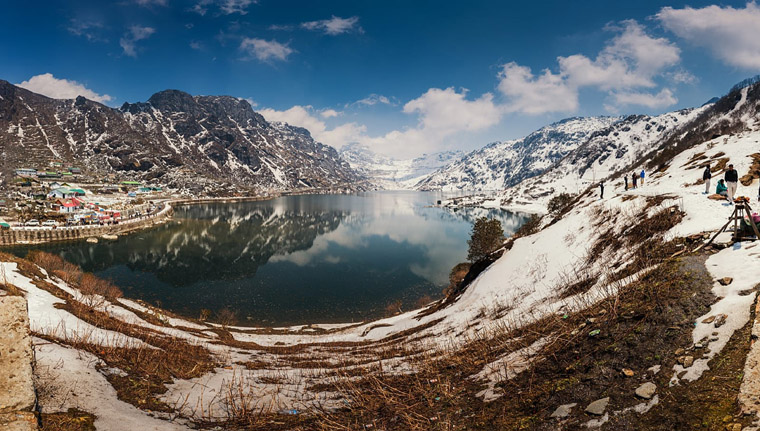
On the way to Nathula Pass, make sure to visit Tsomgo Lake, also known as Changu Lake. This beautiful glacial lake is surrounded by mountains and is especially stunning in winter when it freezes over. The lake is a sacred site for locals and is home to the famous Baba Harbhajan Singh Temple. The vibrant colors of the lake change with the seasons, making it a favorite spot for photography.
The Nathula Market
At Nathula, you will find a small market where local traders sell various goods. The market is a great place to buy souvenirs, traditional handicrafts, and warm clothing. You can also enjoy local snacks and beverages. Shopping here supports local artisans and gives you a taste of Sikkimese culture.
Snow Activities
If you visit during the winter months (December to February), Nathula Pass transforms into a snowy wonderland. Tourists can enjoy activities like snowball fights, snowman building, and even skiing or snowboarding in certain areas. The pristine white landscape is perfect for those looking to experience a winter adventure.
Cultural Significance
Festivals and Traditions
Nathula Pass holds cultural importance for the people of Sikkim. The region celebrates various festivals throughout the year, showcasing the rich traditions and customs of the local communities. Baisakhi, Losar (Tibetan New Year), and the Kagyed Dance Festival are some of the notable celebrations that attract tourists and locals alike.
Tibetan Influence
Due to its proximity to Tibet, Nathula Pass reflects a blend of Indian and Tibetan cultures. You can observe traditional Tibetan architecture, food, and customs in the nearby villages. The presence of Buddhist monasteries and prayer flags adds to the spiritual atmosphere of the region.
Tips for Visiting Nathula Pass
- Acclimatize: The high altitude can cause altitude sickness, so it’s crucial to spend some time acclimatizing in Gangtok before heading to Nathula.
- Dress Warmly: The weather at Nathula can be quite cold, even in summer. Layer your clothing and bring warm accessories like gloves, hats, and scarves.
- Stay Hydrated: Drink plenty of water to keep yourself hydrated, as the altitude can lead to dehydration.
- Plan Your Trip Wisely: Nathula Pass is usually closed during heavy snowfall. Check the weather conditions and road accessibility before planning your visit.
- Respect Local Customs: Be mindful of local traditions and customs. Photography is usually allowed, but avoid taking pictures of military installations.
Conclusion
Nathula Pass is more than just a mountain pass; it’s a blend of breathtaking natural beauty, rich history, and cultural significance. Whether you’re an adventure seeker, a nature lover, or a culture enthusiast, Nathula offers a unique experience that leaves a lasting impression. With its stunning landscapes, thrilling activities, and serene environment, a visit to Nathula Pass is truly a journey of a lifetime. So, pack your bags, get your permits, and embark on an unforgettable adventure to the heart of the Himalayas!