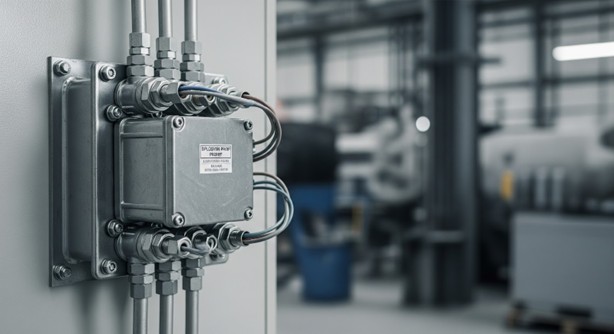
You work in environments where safety cannot be left to chance. One stray spark has the power to stop production, trigger an emergency, and endanger lives. That is why the explosion-proof junction box is so important. It contains ignition sources and keeps flammable atmospheres from catching fire. You are building a safeguard that protects your team, your assets, and your uptime. And when you weigh an explosion proof junction box price, you quickly see that the investment is smaller than the cost of a single incident.
This guide will show you how to select the right enclosure, prepare the site, mount and wire it with care, and maintain it so it performs year after year. The goal is to give you practical steps you can trust, explained in clear, relatable terms.
You Work In Risk: Why This Box Matters
You want every shift to end with your team going home safe. Explosion proof junction boxes are designed with thick covers, precise tolerances, and engineered flame paths that cool and block ignition from spreading. They are a standard sight in oil refineries, chemical processing, paint facilities, grain silos, offshore rigs, and any location where gases or dust may linger.
Choosing and installing the right box is an invisible win—one that prevents events you never want logged in an incident report.And yes, many teams still compare a flameproof electrical junction box cost against operational risks. Once you understand what is at stake, the right choice becomes clear.
Certifications That Keep People Safe
Certifications take away uncertainty. In the EU, ATEX certified explosion proof enclosures confirm the equipment is fit for explosive atmospheres. On a global scale, IECEx provides a trusted framework that specifies where and how gear can be used. In the United States, the NEC defines hazardous areas and the equipment suitable for each classification. Many products also hold a UL Listing, proving they have been independently tested.
Your responsibility is straightforward: match the marking on the nameplate with the actual site conditions. A mismatch puts safety, compliance, and liability on the line.
Pre-Install Essentials You Will Be Glad You Checked
Preparation pays off. Confirm the exact hazardous area classification. Identify the zone or division and the type of gas or dust present. That information drives every decision you make. Next, give yourself room. Choose a box large enough for the wiring plan so conductors are routed cleanly and heat does not build up.
Select an enclosure material that fits the environment. Aluminum balances strength with lighter weight. Reinforced fiberglass stands up to many chemicals while reducing the chance of galvanic corrosion. Always check the IP rating. IP66 or IP67 enclosures keep out dust and water during outdoor use or washdowns. If cost plays a role, remember that waterproof explosion proof box pricing shifts with size, material, and sealing level.
Do not overlook cable entries. Always use certified explosion proof glands that keep the protective barrier intact when cables pass through. Set them to the correct torque and use the proper sealing method for each cable type.
The Pro Method: From Mounting To Final Sign-Off
Professionals rely on process. Begin with layout. Mark entry points before you drill. Fewer penetrations preserve the enclosure’s protective integrity.
Mount the box securely with the correct hardware on a stable surface. If vibration is expected, add bracing. Once it is fixed, install conduits and glands carefully. Confirm thread engagement, apply sealant if required, and torque each fitting. Pull your conductors, then terminate with smooth bends and relief so nothing rubs. Ground connections must be mechanically sound, using corrosion-resistant fasteners that will last.
Before sealing the box, check flame paths and gaskets. Wipe them with a lint-free cloth. Confirm torque on cover bolts. Run continuity and insulation resistance tests. When you secure the lid, do it with purpose. That action ensures the system is ready for service.
When sourcing enclosures, partner with reliable hazardous area junction box suppliers. A strong supplier provides more than a product. They offer documentation, guidance, and reassurance during inspections or audits.
Keep It Safe For Years: Maintenance, Mistakes, And When To Call Pros
An installation earns its reputation over time. Schedule regular inspections. Look for signs of corrosion, dents, or worn seals. Verify bolt torque, clean flame paths with care, and replace gaskets when they begin to show wear.
Some missteps are easy to avoid. Avoid filling the box to capacity since excess heat and crowded wiring create risks. Record torque values, keep certificates accessible, and label every conductor clearly. Future technicians will thank you.
There are times when calling a professional is the best choice. Certified electricians bring experience, calibrated tools, and documentation that auditors trust. Sites with both gas and dust hazards, older infrastructure, or non-standard cables benefit from their expertise. To support budget planning, maintain an industrial explosion proof enclosure price list. This helps procurement teams compare costs and plan for replacements.
At this stage, many decision-makers once again consider an explosion proof junction box price. In practice, the right investment prevents downtime and protects lives.
People Also Ask (FAQs)
What is an explosion proof junction box used for?
It houses electrical connections in hazardous areas. If an arc occurs inside, the enclosure contains it so gases or dust outside are not ignited.
How do you install an explosion proof junction box?
Plan the layout, mount it on a stable surface, install certified glands, terminate and ground conductors properly, check flame paths, and torque the cover bolts before closing.
What materials work best?
Stainless steel for offshore and marine sites, aluminum for strength with less weight, and fiberglass for chemical-heavy environments. Always match material to site conditions.
Do these boxes need maintenance?
Yes. Regular inspections, torque checks, and replacement of worn seals are all part of safe ongoing use.
What happens if you use a non-certified box or fittings?
The risk of ignition rises, regulatory penalties can follow, and insurance coverage may be lost. Certified gear is always the safer choice.
Conclusion
You carry responsibility for safety and performance. Selecting a certified explosion proof junction box, sizing it correctly, installing it with care, and maintaining it with consistency protects both your people and your operations. That is what real leadership looks like.
When you weigh an explosion proof junction box price, keep in mind that you are buying more than equipment. You are buying peace of mind, uninterrupted uptime, and a system that keeps people safe.
Keep this guide as a reference. Share it with your team. The next time you inspect an enclosure you installed, you will feel the quiet satisfaction of knowing it was done right.