The food delivery industry has seen dramatic changes in the past few years. With the rise of mobile apps, changing consumer habits, and the need for faster service, traditional restaurant models are being challenged. One of the biggest innovations to emerge is the concept of ghost kitchens. These delivery-only kitchens are changing how food businesses operate, reducing overhead, and meeting the growing demand for online food orders.
In this blog, we will explore what a ghost kitchen is, why they are booming, how they are impacting the food delivery industry, and why they matter for entrepreneurs and businesses today.
What Are Ghost Kitchens?
Understanding the Concept
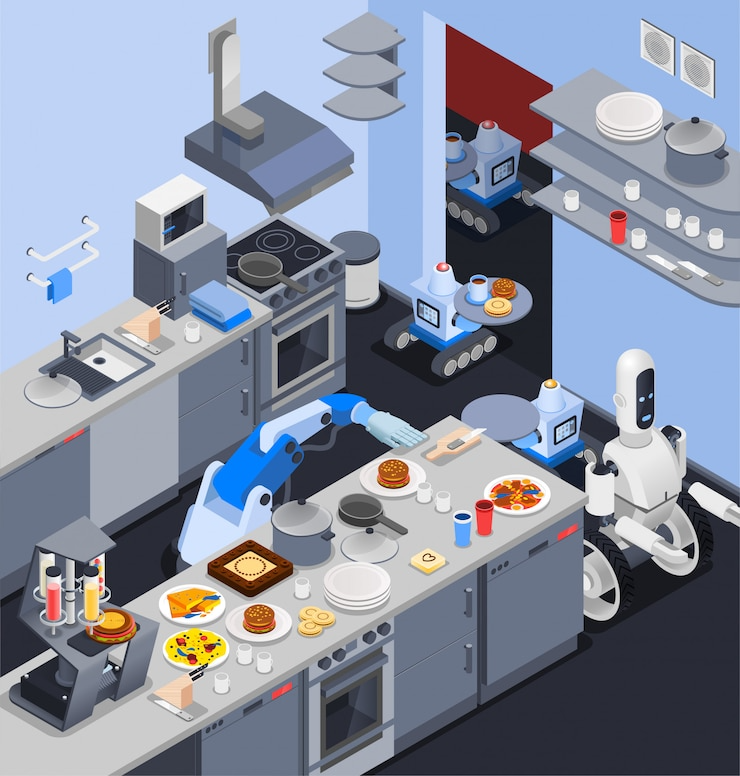
A ghost kitchen, also known as a dark kitchen or cloud kitchen, is a professional food preparation facility that operates without a dine-in space. Unlike traditional restaurants, ghost kitchens only fulfill online orders made through delivery apps or websites. There’s no seating, no wait staff, and no physical storefront. They work behind the scenes and focus solely on preparing meals for delivery.
Different Models of Ghost Kitchens
There are several types of ghost kitchens, depending on the setup and business goals:
- Standalone Ghost Kitchens: Operated by a single brand with one or more virtual restaurants.
- Shared Ghost Kitchens: Facilities rented out by multiple brands sharing the same kitchen space.
- Virtual Brands: A restaurant that creates a delivery-only brand separate from its existing dine-in brand.
- Aggregator-Owned Kitchens: Operated by food delivery platforms like Uber Eats or Zomato, offering space to multiple vendors.
Each model caters to different business sizes and needs, but they all focus on efficient delivery operations.
Why Are Ghost Kitchens Growing So Fast?
Shift in Consumer Behavior
People now prefer convenience over everything else. Instead of dining out, many choose to order food from their favorite apps while sitting at home or at work. The pandemic only accelerated this trend, making online food delivery the norm. Ghost kitchens are built to serve this exact purpose, making them a perfect fit for today’s customers.
Lower Operational Costs
Running a traditional restaurant requires major investment in space, furniture, front-of-house staff, and decor. Ghost kitchens eliminate these costs. Businesses only pay for the kitchen space and staff needed to cook and package food. This significantly lowers startup costs and allows owners to focus more on food quality and customer experience.
Scalability
Launching new locations or experimenting with new cuisines is much easier with a ghost kitchen. Entrepreneurs can test different food concepts without the risk of opening a full restaurant. If one brand doesn’t work, they can quickly pivot and try another. This flexibility makes ghost kitchens highly scalable and attractive to new business owners.
How Ghost Kitchens Are Changing the Food Delivery Landscape
More Food Choices for Consumers
Since ghost kitchens can operate multiple brands from one location, customers get access to a wider variety of cuisines and dishes. One kitchen might serve Indian meals, burgers, and sushi all from different virtual brands. This increases the options available on food delivery platforms, improving the overall customer experience.
Faster Delivery Times
Most ghost kitchens are strategically located near high-demand neighborhoods. Since there’s no dine-in traffic to manage, orders can be processed and delivered faster. This focus on speed helps food businesses meet customer expectations in a competitive market.
Enhanced Use of Technology
Ghost kitchens rely heavily on technology. They use mobile apps, digital ordering systems, delivery management software, and data analytics to improve operations. This tech-first approach helps track customer behavior, manage inventory, reduce waste, and optimize delivery routes.
New Opportunities for Entrepreneurs
Ghost kitchens lower the barrier to entry for aspiring food business owners. Without the need to invest in a full-scale restaurant, they can launch a brand with minimal capital. From independent chefs to big chains testing new markets, ghost kitchens open the door for creative food ventures.
Read More: Zomato Clone Scripts | Custom App Development Service
Challenges Faced by Ghost Kitchens
Heavy Dependence on Delivery Platforms
Most ghost kitchens rely on third-party delivery platforms to reach customers. This means they pay commissions, which can eat into profit margins. In addition, they have limited control over the delivery experience and customer interaction.
Brand Visibility and Trust
Since there’s no physical location, building trust and brand recognition can be difficult. Ghost kitchens must invest in digital marketing, strong packaging, and customer service to stand out.
Operational Complexity
Running multiple brands under one roof can be complex. Each brand needs its own menu, marketing, and order management. Without the right systems in place, things can get confusing and affect service quality.
FAQs
What is a ghost kitchen?
A ghost kitchen is a delivery-only kitchen that prepares meals without a dine-in option. Orders are made online, and food is delivered to customers via delivery platforms or apps.
How are ghost kitchens different from traditional restaurants?
Ghost kitchens don’t have seating, front-of-house staff, or a storefront. They operate in commercial spaces and focus entirely on preparing food for online orders and delivery.
Are ghost kitchens profitable?
Yes, they can be highly profitable due to lower overhead costs and the ability to serve multiple brands from a single location. However, success depends on food quality, marketing, and efficient delivery.
Who can start a ghost kitchen?
Anyone from an experienced restaurateur to a new entrepreneur can start a ghost kitchen. It’s especially ideal for those who want to test a food concept with low upfront costs.
Do ghost kitchens need a license?
Yes, like any food business, ghost kitchens require health permits, licenses, and compliance with local food safety regulations.
Conclusion
Ghost kitchens have completely reshaped the way we think about food delivery. They offer a cost-effective, scalable, and flexible solution for food businesses to thrive in the digital age. By eliminating the overhead of a traditional restaurant, they allow entrepreneurs to focus on delivering high-quality food and great customer service.
Whether you’re an established restaurant chain, a food startup, or an independent chef, ghost kitchens present a valuable opportunity to reach more customers and grow your brand online. With smart planning, the right use of technology, and strong digital marketing, ghost kitchens can serve as the foundation for a successful food delivery business.
Partnering with a skilled on-demand mobile app development company can further enhance your chances of success. From developing ordering platforms to integrating delivery systems, an experienced team can help you bring your ghost kitchen vision to life and compete in today’s on-demand world.