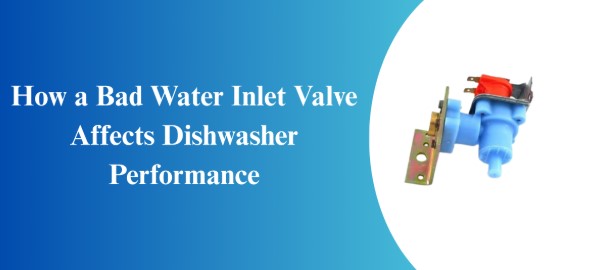
A dishwasher is one of the most relied-on appliances in modern kitchens. It saves time, conserves water, and ensures that dishes are sanitized and sparkling clean. However, when something goes wrong, it disrupts the entire kitchen routine. Among the most common reasons for dishwasher malfunction is a faulty dishwasher water inlet valve.
This component may be small, but it plays a massive role in the overall performance of your dishwasher. Without it, your appliance cannot regulate water flow, which means it cannot wash your dishes effectively.
In this article, we’ll explore in detail how a bad dishwasher water inlet valve affects performance, symptoms you shouldn’t ignore, and what you can do if you suspect a problem. We’ll also guide you through dishwasher water inlet valve troubleshooting, what to do if your dishwasher water inlet valve is not getting power, and when dishwasher water inlet valve replacement is necessary.
What Does a Dishwasher Water Inlet Valve Do?
The dishwasher water inlet valve works as the “gatekeeper” between your home’s plumbing and the dishwasher’s interior. It receives signals from the control board to open or close at precise moments.
- Controls water entry: It opens at the start of a cycle and closes when the correct water level is reached, ensuring the right amount of water every time.
- Prevents overflow: By shutting properly, it prevents continuous filling and costly water damage in your kitchen.
- Supports cleaning performance: Without steady water flow, detergent cannot dissolve fully, and dishes cannot be rinsed thoroughly.
- Coordinates with sensors: The valve interacts with float switches and control boards to maintain proper water pressure and timing during wash cycles.
Key Signs of a Failing Dishwasher Water Inlet Valve
If your dishwasher water inlet valve begins to fail, your dishwasher will show clear warning signs. Here’s what you should look out for:
- Dishwasher Won’t Fill at All: If no water enters, the valve may be completely stuck closed or electrically disconnected, preventing your cycle from starting properly.
- Low Water Flow into Dishwasher: Sometimes the valve opens partially, allowing only a weak trickle that results in dirty, streaky dishes after every wash.
- Dishwasher Leaks Underneath: A worn-out valve may drip constantly, causing water to collect under your appliance and potentially damaging floors or cabinetry.
- Noisy Dishwasher During Filling: Clicking, buzzing, or humming while the dishwasher tries to fill usually means the valve is struggling to open or close.
- Longer Wash Cycles than Usual: When the dishwasher cannot fill properly, sensors force it to extend cycles, wasting energy and water unnecessarily.
How a Bad Valve Affects Performance
A faulty dishwasher water inlet valve disrupts more than just the water flow—it reduces the efficiency and lifespan of your appliance.
- Poorly Cleaned Dishes: Without sufficient water, detergent remains concentrated, failing to break down grease, food particles, and stains effectively.
- Spotty Glassware and Cutlery: Insufficient rinsing leaves detergent residue and streaks, ruining the shine of glass and stainless steel.
- Stress on Other Components: Pumps, spray arms, and filters rely on proper water flow; low supply forces them to work harder and wear out faster.
- Frequent Error Codes: Modern dishwashers detect water-level issues, and a faulty valve often triggers mid-cycle errors or shutdowns.
- Increased Repair Costs: Delaying a dishwasher water inlet valve replacement can cause secondary damage that costs more to fix later.
Dishwasher Water Inlet Valve Troubleshooting
Before assuming replacement is necessary, try these dishwasher water inlet valve troubleshooting steps:
- Inspect the Water Supply Line: Make sure the hose isn’t kinked or blocked, as a restricted supply can mimic valve failure.
- Check the Valve’s Filter Screen: Minerals, rust, or debris often clog the mesh filter, restricting water entry until it is cleaned.
- Test for Electrical Continuity: Use a multimeter to check whether the solenoid coil inside the valve is still functional or has burned out.
- Listen for Filling Noises: If the dishwasher is silent during filling, it may mean the valve isn’t opening at all, pointing to electrical or mechanical failure.
- Confirm Water Pressure: Very high or very low household water pressure can make the valve malfunction even if it isn’t defective.
Dishwasher Water Inlet Valve Not Getting Power
Sometimes the valve itself isn’t defective—the real problem is a dishwasher water inlet valve not getting power. This usually points to electrical faults.
- Control Board Failure: If the electronic board doesn’t send the signal, the valve never opens, even though it is in perfect condition.
- Faulty Door Switch: Dishwashers won’t start filling unless the door latch is fully engaged, cutting power to the valve otherwise.
- Loose Wiring Connections: Vibrations over time can loosen wires, preventing proper voltage delivery to the valve terminals.
- Blown Fuse or Tripped Breaker: Electrical interruptions in your home’s circuit can starve the valve of power during a wash cycle.
Dishwasher Water Inlet Valve Not Working
If you’ve confirmed the power supply and water pressure are normal but still find the dishwasher water inlet valve not working, it’s a clear indicator of mechanical failure.
- No Water Entry Despite Power Supply: This means the internal solenoid coil has likely burned out and no longer responds.
- Valve Stuck Partially Open: Water drips into the tub even when the dishwasher is off, which can flood the interior or cause leaks.
- Overheating or Electrical Smell: Burnt odors near the base of the dishwasher often point to a failing solenoid inside the valve.
In such cases, repair is rarely worth it. Replacement is the most effective option.
Dishwasher Water Inlet Valve Replacement
When troubleshooting confirms the part is beyond repair, performing a dishwasher water inlet valve replacement restores your appliance’s efficiency.
Replacement Steps (DIY-Friendly):
- Turn Off Power and Water Supply: Always disconnect the dishwasher to avoid electrical shock or flooding accidents.
- Locate the Valve: Found behind the lower kick plate at the bottom front of the dishwasher.
- Disconnect Water Line: Loosen the water supply fitting with a wrench, keeping a towel nearby for spills.
- Remove Electrical Connectors: Carefully detach the wiring harness without damaging terminals.
- Unscrew the Valve: Take out the old valve from its mounting bracket or housing.
- Install New Valve: Attach the replacement securely, reconnect wires and the water supply line, then reinstall the kick plate.
- Test the Dishwasher: Run a quick cycle to confirm that water fills correctly without leaks.
Preventing Future Valve Problems
Taking preventive steps can extend the life of your dishwasher water inlet valve:
- Use Filtered Water Whenever Possible: Sediment and rust in unfiltered water often clog the filter screen inside the valve.
- Clean the Filter Regularly: Every 3–6 months, remove and rinse the valve filter to keep water flow unrestricted.
- Check Water Pressure Yearly: If pressure is too high, consider a pressure regulator; too low may also cause valve failure.
- Use a Water Softener in Hard Water Areas:Hard water minerals build up quickly inside the valve, shortening its lifespan.
- Schedule professional maintenance: Annual servicing helps catch minor issues before they escalate into valve failure.
A faulty dishwasher water inlet valve doesn’t just affect cleaning—it impacts your dishwasher’s efficiency, energy use, and even your kitchen’s safety. Recognizing the signs early, performing dishwasher water inlet valve troubleshooting, and knowing when to proceed with a dishwasher water inlet valve replacement saves you from costly long-term damage. Whether your issue is a dishwasher water inlet valve not getting power or a dishwasher water inlet valve not working, timely action ensures your dishwasher continues to run smoothly, keeping your kitchen clean and efficient.
HnK Parts has a huge inventory of dryer parts, dishwasher components, and refrigeration parts with prompt shipping that supports your home appliance repairs with quality replacement parts.
Frequently Asked Questions (FAQ’s)
1. How to tell if a dishwasher inlet valve is bad?
A dishwasher inlet valve is likely bad if water flow is weak, cycles fail, or the appliance won’t fill.
2. How to check the inlet valve with a multimeter?
Set the multimeter to continuity or ohms, disconnect the valve, and test terminals for resistance or continuity.
3. Why is the water inlet not working in my dishwasher?
The dishwasher’s water inlet may fail due to clogs, faulty valves, electrical issues, or blocked supply lines.
4. What happens when the inlet solenoid on a dishwasher fails?
When a dishwasher’s inlet solenoid fails, it prevents water from entering, causing incomplete or stalled wash cycles.