Root canal treatment (RCT) is a highly effective dental procedure designed to save a tooth that is severely decayed, infected, or damaged. While it alleviates pain and prevents further infection, many patients wonder about the long-term durability of a treated tooth. With proper care, a root canal can last for decades, but its lifespan depends on several factors. This blog explores how long a root canal lasts, aftercare tips, and expert advice to maintain your oral health. For professional care, you can consult expert root canal treatment in Madurai to ensure optimal results.
Understanding the Longevity of a Root Canal
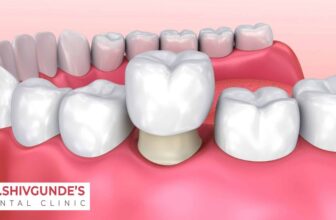
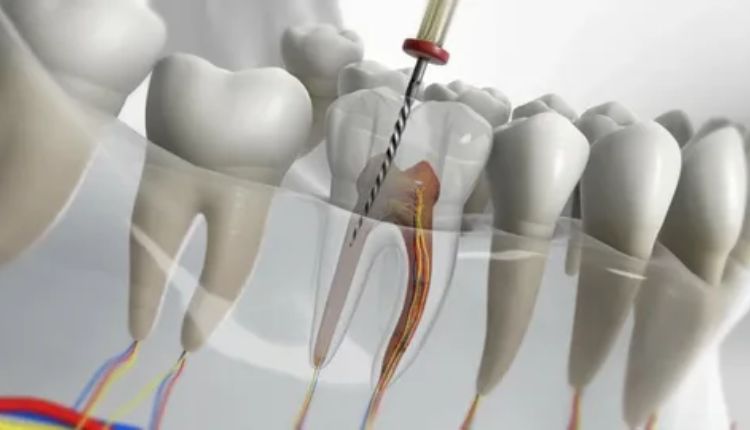
A root canal is designed to remove infected pulp from the tooth, clean and disinfect the root canals, and seal the tooth to prevent future infection. After treatment, the tooth is usually restored with a crown to enhance strength and functionality.
Typical Lifespan of a Root Canal
-
With proper restoration and care, a root canal-treated tooth can last 10-15 years or even a lifetime.
-
The survival rate increases significantly when a crown is placed after the procedure, as it protects the tooth from fractures and further decay.
-
Factors like the location of the tooth, patient age, and oral hygiene habits also influence durability.
Factors That Affect Root Canal Longevity
Several factors can impact how long your root canal lasts:
-
Quality of Treatment: Skilled dental professionals using modern techniques ensure thorough cleaning and sealing of the canals.
-
Restoration: Crowns or fillings provide structural support and prevent reinfection.
-
Oral Hygiene: Regular brushing, flossing, and dental check-ups prevent decay and gum disease.
-
Dietary Habits: Avoiding excessive sugar, hard foods, and chewing ice reduces stress on the tooth.
-
Tooth Location: Molars endure more chewing pressure, which can affect longevity, while front teeth generally last longer after treatment.
Signs That a Root Canal May Be Failing
Even a well-performed root canal may occasionally face issues. Some warning signs include:
-
Persistent or recurring pain
-
Swelling in the gums near the treated tooth
-
Darkening or discoloration of the tooth
-
Sensitivity to pressure or chewing
-
Presence of an abscess or gum boil
If these symptoms appear, it is crucial to consult a dentist immediately. Timely intervention can prevent extraction and may involve retreatment.
Aftercare Tips for a Long-Lasting Root Canal
Proper aftercare is essential for ensuring that your treated tooth remains healthy and functional.
Maintain Excellent Oral Hygiene
-
Brush twice daily with fluoride toothpaste
-
Floss at least once a day to remove food particles and plaque
-
Use an antibacterial mouthwash if recommended by your dentist
Avoid Excessive Stress on the Tooth
-
Avoid chewing hard foods like ice, nuts, or hard candies
-
Do not use your teeth to open packages or bottles
-
Consider a night guard if you grind your teeth during sleep
Regular Dental Check-Ups
-
Schedule routine visits every 6 months for professional cleaning and examination
-
Early detection of any issues can extend the life of your root canal
Proper Restoration
-
Ensure that crowns or fillings are fitted correctly
-
Repair any damaged restorations promptly to prevent reinfection
Healthy Lifestyle Choices
-
Avoid smoking, which can compromise oral healing
-
Maintain a balanced diet rich in vitamins and minerals to strengthen teeth and gums
Expert Tips from Dentists
Dental professionals recommend additional steps to enhance the longevity of a root canal-treated tooth:
Retreatment When Necessary
-
If infection or damage recurs, retreatment can save the tooth without extraction
-
Modern retreatment techniques are highly effective and minimally invasive
Use of Advanced Materials
-
High-quality gutta-percha and sealing materials reduce the risk of reinfection
-
Durable crowns made of ceramic or porcelain provide long-lasting protection
Immediate Restoration
-
Delaying crown placement can weaken the tooth and increase the risk of fracture
-
Always follow your dentist’s recommendation for timely restoration
Root Canal vs Extraction: Why Saving Your Tooth Matters
Preserving a natural tooth with a root canal offers several benefits compared to extraction:
-
Maintains normal chewing and biting function
-
Prevents neighboring teeth from shifting
-
Supports jawbone integrity, reducing the risk of bone loss
-
Preserves your natural smile and facial structure
While extraction may be necessary in certain cases, saving your tooth through a root canal is often the preferred option for long-term oral health.
When to Seek Professional Care in Madurai
If you experience persistent pain, swelling, or any signs of tooth damage, consulting an experienced dentist is crucial. Clinics offering expert root canal treatment in Madurai provide advanced technology, skilled professionals, and personalized care. Early intervention and proper treatment planning ensure maximum durability and reduce the likelihood of future complications.
Conclusion
A root canal-treated tooth can last a lifetime with proper care, timely restoration, and regular dental check-ups. While factors like oral hygiene, diet, and tooth location play a role, following professional advice significantly enhances longevity. Preserving your natural tooth not only maintains oral function and aesthetics but also reduces long-term dental costs. For safe, effective, and durable results, consider consulting a clinic that offers expert root canal treatment in Madurai. With the right care, your treated tooth can serve you comfortably for decades.