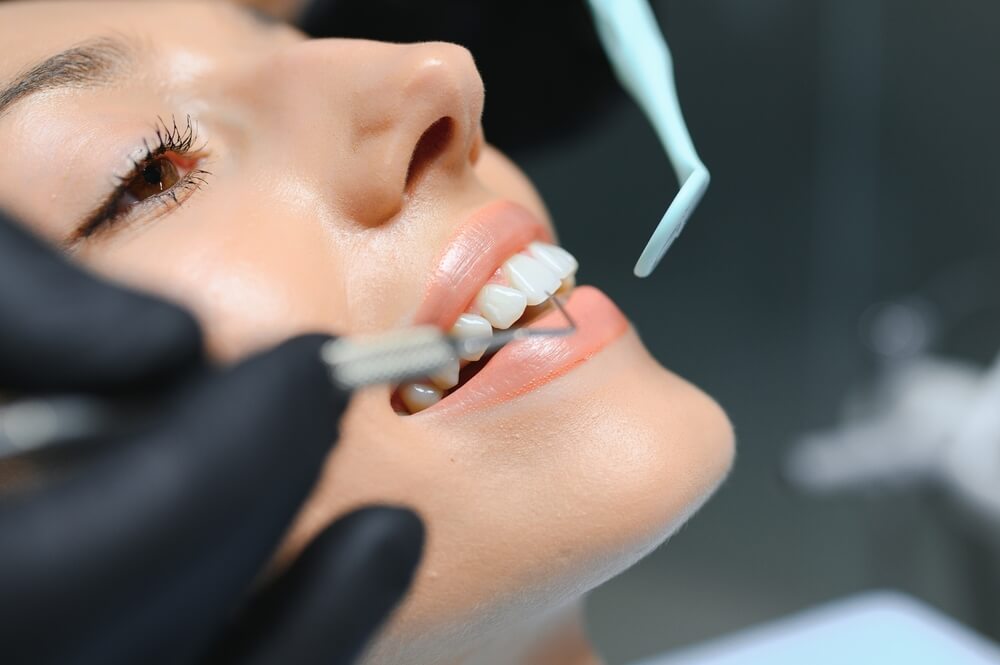
Tooth removal is a common dental procedure that many people undergo for various reasons, such as a decayed or impacted tooth, or even preventive measures. Whether it’s a simple tooth extraction or a more complex removal like wisdom teeth, understanding the recovery process is essential to ensure a smooth and comfortable healing experience.
For those considering tooth removal in Dubai, it’s important to be well-informed not only about the procedure itself but also about the recovery stages you will go through post-surgery. This article will provide insight into what you can expect during recovery and how to speed up the healing process, ensuring that you get back to your normal routine as quickly as possible.
Factors That Influence Recovery Time After Tooth Removal:
Recovery time after tooth removal varies from person to person and depends on several key factors. Understanding these factors can help you prepare for a smoother recovery process.
- Type of Extraction: The complexity of the extraction significantly impacts recovery time. For instance, a simple extraction involves the removal of a visible tooth, while a more complicated extraction, such as the removal of impacted wisdom teeth, may require additional healing time and care.
- Age and Health Condition: Younger individuals tend to recover faster due to their body’s increased ability to heal, while those with pre-existing health conditions may experience a longer recovery period. If you have any medical conditions or are on medications, it’s important to discuss them with your dentist prior to the procedure.
- Post-Op Care and Follow-Up: Adhering to aftercare instructions given by your dentist is crucial for a smooth recovery. Proper care, including avoiding certain foods or activities, will help prevent complications such as infections, dry socket, or delayed healing.
The First 24-48 Hours After Tooth Removal:
The initial hours following your tooth removal are crucial for your recovery. During the first two days, your body works to start healing and minimizing discomfort.
- Managing Bleeding and Swelling: After the extraction, some bleeding is normal. Dentists usually provide gauze to help manage this and instructions on how to bite down on it to control the flow. Swelling is also common in the area around the extraction site, especially with more complex extractions like wisdom teeth removal.
- Pain and Discomfort: Most people experience mild to moderate pain during the first 24 hours, especially as the local anesthesia wears off. Dentists typically prescribe pain medication to ease discomfort and recommend ice packs to reduce swelling.
- Diet and Hydration: During this phase, sticking to soft foods like soup, yogurt, or mashed potatoes and avoiding hard or hot foods is essential. Staying hydrated helps in the recovery process.
The First Week: Managing Discomfort and Ensuring Proper Healing:
By the end of the first week, the major swelling and bleeding should subside. However, this is still a critical phase for your recovery.
- Pain Relief and Managing Discomfort: At this point, the pain from the extraction should begin to decrease, but you may still feel some tenderness, especially when chewing. Your dentist may recommend over-the-counter pain relievers or stronger medication if needed.
- Good Oral Hygiene Practices: While it’s important to keep the extraction site clean, you must be gentle when brushing near the area to avoid disturbing the healing tissue. Saltwater rinses can be beneficial for keeping the wound clean without irritating it.
- Rest and Activity Limitations: Rest is essential during the first week to give your body the energy it needs to heal. Avoid physical activities that could increase your blood pressure or cause stress on the healing area.
1-2 Weeks: The Healing Progress Continues:
By the second week, you’ll likely notice a significant reduction in swelling and discomfort, but there are still things to keep in mind.
- Healing of Soft Tissue: The soft tissue around the extraction site will begin to heal and close up, and you may notice less pain and swelling as the days go on.
- Continued Caution with Eating and Drinking: Although you can return to a more varied diet, it’s still important to avoid chewing near the extraction site to prevent irritation. You should also avoid hot foods or drinks that could dislodge the blood clot that forms in the socket.
- Follow-Up Appointments: If you haven’t already had one, a follow-up appointment with your dentist is important to ensure that everything is healing properly and to address any concerns you may have.
3-4 Weeks: Significant Healing and Bone Recovery:
At this stage, most of the soft tissue will have healed, but it’s important to continue to monitor the recovery process.
- Bone Healing: It can take longer for the underlying bone to heal fully. While the gum tissue may be mostly healed, the bone where the tooth was removed needs time to regenerate and stabilize.
- Returning to Normal Activities: After a month, most patients can resume their regular activities, but it’s important to avoid any intense physical exertion that could disrupt the healing process.
- Signs of Complications: If you experience any sharp pain, signs of infection, or persistent swelling, it’s essential to contact your dentist immediately.
Full Recovery and What Happens Next:
While the majority of your recovery will take place in the first few weeks, full healing may take several months, especially if you had a more complex extraction.
- Long-Term Healing of Bone and Soft Tissue: For procedures like wisdom tooth removal or extractions that require stitches, it may take several months for the bone to fully heal and close up.
- Implants or Bridges: If you’re planning to replace your extracted tooth with an implant or bridge, your dentist will advise you on when it’s appropriate to begin this next step, typically after the bone has sufficiently healed.
Tips to Speed Up the Healing Process After Tooth Removal:
There are several steps you can take to help speed up your recovery and ensure the best results.
- Follow Post-Operative Instructions: Your dentist will provide you with specific aftercare instructions. Adhering to these recommendations, such as avoiding smoking and drinking through straws, will help prevent complications like dry socket.
- Maintain Good Oral Hygiene: While you should avoid brushing directly over the extraction site initially, gently cleaning the surrounding area will prevent bacteria buildup and speed up healing.
- Eat a Balanced Diet: Eating nutritious foods, especially those rich in vitamins C and D, will promote faster healing and support your immune system.
- Stay Hydrated and Rest: Hydration and rest are key to helping your body recover. Get plenty of sleep and drink water regularly.
Conclusion: Why Tooth Removal in Dubai Is a Safe and Effective Option:
Tooth removal is a routine procedure that can be necessary for a variety of reasons, from severe decay to impacted teeth. In Dubai, skilled dentists use the latest techniques and technologies to ensure the procedure is as painless and efficient as possible. With proper care and attention to post-operative instructions, you can expect a smooth recovery process.
If you’re considering tooth removal in Dubai, make sure to choose a reputable dental clinic that prioritizes patient comfort and provides detailed guidance throughout the healing process. Taking the necessary steps for proper recovery will ensure that your smile remains healthy and that you heal effectively. Whether you’re dealing with wisdom teeth, a decayed tooth, or another issue, a trusted dental professional can help guide you through your journey toward recovery.