
Reformer tubes are critical components in many industrial processes, especially in chemical, petrochemical, and oil refining industries. They play a vital role in reforming hydrocarbons to produce essential products like hydrogen, ammonia, and synthetic gases. However, the life of reformer tubes is a major concern for plant operators, as these tubes operate under extreme conditions of temperature and pressure. One of the most crucial factors affecting the life of reformer tubes is temperature uniformity.

The Importance of Temperature Uniformity
In reforming processes, reformer tubes are exposed to high temperatures, often exceeding 900°C (1652°F). These extreme conditions subject the tubes to immense thermal stress. If the temperature across the reformer tubes is not uniform, it can cause localized hot spots, which are areas of higher temperature compared to the surrounding tube sections. This uneven distribution of heat leads to accelerated wear and tear, reducing the life of reformer tubes.
Temperature uniformity is essential for maintaining the mechanical integrity and longevity of reformer tubes. When temperature differences within the tube are minimized, the overall stress on the tube material is reduced, leading to a longer operational life. Ensuring uniform heat distribution also helps in optimizing the reforming process, increasing the overall efficiency of the plant.
How Temperature Variations Affect the Life of Reformer Tubes
Temperature variations in reformer tubes can lead to several detrimental effects, including:
- Thermal Fatigue: Repeated cycles of heating and cooling can cause cracks in the tube material, leading to premature failure. This phenomenon is known as thermal fatigue. When the temperature distribution is uneven, certain sections of the tube expand and contract at different rates, creating additional stress and increasing the likelihood of cracking. Over time, these small cracks can grow, compromising the tube’s integrity and significantly reducing its operational life.
- Creep Deformation: At high temperatures, metals tend to deform under constant stress, a phenomenon known as creep. If certain parts of the reformer tube are exposed to higher temperatures due to uneven heat distribution, these areas will experience accelerated creep. This leads to permanent deformation, weakening the tube and shortening its life span.
- Oxidation and Corrosion: Higher temperatures also accelerate oxidation and corrosion, particularly in areas of the tube exposed to excessive heat. Uneven temperatures cause localized regions of higher oxidation, leading to thinning of the tube walls. This thinning can make the tube more susceptible to mechanical failure under high pressure, reducing the life of reformer tubes.
- Carbon Deposition: In some cases, uneven temperature distribution can lead to carbon deposition on the cooler sections of the reformer tubes. This deposition not only reduces the efficiency of the reforming process but also creates additional thermal stress as the cooler areas struggle to balance the heat distribution. This additional load can cause further degradation and reduce the tube’s lifespan.
Strategies to Improve Temperature Uniformity
Ensuring temperature uniformity in reformer tubes is crucial for enhancing their operational life. Several strategies can be employed to achieve this:
- Optimized Burner Design: The design and placement of burners in the furnace play a significant role in maintaining temperature uniformity. By optimizing the burner configuration, heat can be distributed more evenly across the reformer tubes, reducing the risk of localized hot spots.
- Proper Tube Spacing: The spacing between reformer tubes is also important. If tubes are placed too close to each other, it can result in uneven heat distribution due to poor airflow. Proper tube spacing allows for better heat transfer and uniform temperature distribution, reducing thermal stress.
- Advanced Monitoring Systems: Installing advanced temperature monitoring systems can help plant operators detect temperature variations in real-time. These systems provide accurate data on the temperature profile of each tube, enabling operators to make adjustments to maintain uniform heat distribution. Early detection of temperature imbalances allows for timely intervention, preventing damage and extending the life of reformer tubes.
- Regular Maintenance and Cleaning: Over time, carbon deposits and scale buildup can affect heat transfer within the reformer tubes, leading to uneven temperature distribution. Regular maintenance and cleaning of the tubes help to prevent this buildup, ensuring better heat distribution and extending the life of reformer tubes.
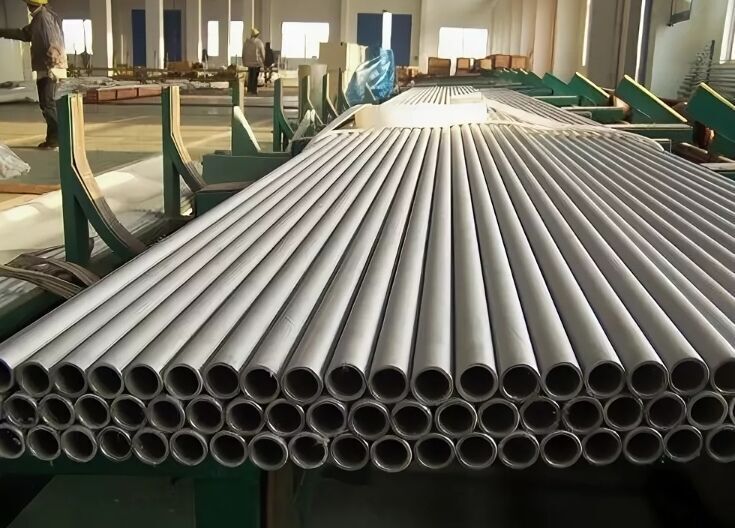
- Use of High-Quality Alloys: Reformer tubes are typically made from high-temperature alloys designed to withstand extreme conditions. However, selecting alloys with enhanced thermal conductivity and resistance to oxidation can further improve temperature uniformity and extend the life of reformer tubes.
Conclusion
Temperature uniformity is a key factor in determining the life of reformer tubes. By ensuring even heat distribution across the tubes, plant operators can significantly reduce thermal stress, minimize the risk of failure, and extend the operational life of the tubes. Implementing strategies such as optimized burner design, proper tube spacing, advanced monitoring, and regular maintenance can go a long way in improving temperature uniformity. With a focus on maintaining uniform temperatures, industries can enhance the performance and durability of their reformer tubes, leading to greater efficiency and cost savings over time.