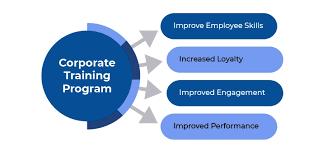
Corporate training programs are essential for businesses looking to enhance employee skills, boost productivity, and stay competitive. However, not all training programs deliver tangible results. Many organizations invest in training initiatives that fail to impact employee performance or business corporate training programs.
So, how can companies build a corporate training program that truly delivers results?
A well-designed corporate training program aligns with business objectives, engages employees, and ensures measurable improvements. This article will provide a step-by-step guide to building an effective corporate training program that drives success.
1. Define Clear Training Objectives
Before creating a corporate training program, organizations must define clear objectives that align with business goals.
Key Questions to Ask:
✅ What are the business challenges that training should address?
✅ What skills or knowledge do employees need to improve?
✅ How will training success be measured?
Example Training Objectives:
✔ Improve employee productivity by 20% within 6 months.
✔ Enhance customer service skills to increase customer satisfaction ratings.
✔ Reduce employee errors in data entry by 30%.
By setting specific and measurable goals, organizations can create a focused and impactful training program.
2. Identify Employee Training Needs
Every organization has different training needs based on industry, workforce skill gaps, and company goals.
How to Identify Training Needs:
📊 Conduct Skill Assessments – Use surveys, tests, and performance reviews to identify skill gaps.
🗣 Get Employee Feedback – Ask employees what skills they feel they need to improve.
📈 Analyze Business Performance – Identify areas where employees struggle (e.g., low sales, poor customer service).
🏆 Check Industry Trends – Stay updated with industry demands and required skills.
Example: A customer service company may identify that employees need better communication and problem-solving skills to handle complaints effectively.
3. Choose the Right Training Methods
Not all employees learn the same way. Selecting the right training method ensures maximum engagement and knowledge retention.
Effective Training Methods:
| Instructor-Led Training (ILT) | In-depth learning, leadership training |
| E-Learning & Online Courses | Scalable, remote employees, self-paced learning |
| Workshops & Hands-On Training | Practical skills, teamwork, collaboration |
| Mentorship & Coaching | Leadership development, career growth |
| Simulations & Role-Playing | Customer service, sales training |
| Microlearning (Short Videos, Quizzes) | Quick knowledge updates, engaging content |
Example: A sales team may benefit from role-playing exercises, while IT professionals may need hands-on technical workshops.
4. Develop High-Quality Training Content
Training content should be engaging, relevant, and easy to understand. The best training programs use a variety of content formats to cater to different learning styles.
Best Practices for Effective Training Content:
📹 Use Multimedia – Incorporate videos, infographics, animations, and case studies to enhance learning.
📖 Make It Interactive – Include quizzes, exercises, and real-world scenarios.
🚀 Keep It Practical – Focus on real-world applications instead of just theory.
🎯 Personalize Learning – Offer customized training paths based on job roles and experience levels.
Example: A cybersecurity training program should include real-life hacking simulations rather than just theoretical lessons.
5. Implement Training Using the Right Technology
Technology plays a crucial role in making training programs accessible, engaging, and measurable.
Top Training Technologies:
📚 Learning Management Systems (LMS) – Platforms like TalentLMS, Docebo, and Moodle help manage and track employee training progress.
🎥 Virtual Training Tools – Tools like Zoom, Microsoft Teams, and WebEx for live training sessions.
📱 Mobile Learning Apps – Allows employees to learn on the go using platforms like Udemy, Coursera, and LinkedIn Learning.
🕹 Gamification & AI-Based Training – Adding rewards, leaderboards, and AI-driven assessments boosts engagement.
Example: A retail company can use an LMS to provide product training videos and quizzes to new sales associates.
6. Encourage Employee Engagement and Participation
A training program will only be effective if employees are actively engaged. Many training initiatives fail due to low participation or lack of interest.
How to Boost Engagement:
🏆 Make Training Fun – Use games, leaderboards, and rewards to keep employees motivated.
📅 Integrate Training into Work – Provide on-the-job learning opportunities instead of lengthy training sessions.
🗣 Encourage Collaboration – Create discussion forums and peer-to-peer learning sessions.
🎯 Recognize & Reward Employees – Offer certificates, incentives, and promotions for employees who complete training.
Example: A customer service team can compete in scenario-based training games to improve problem-solving skills.
7. Measure Training Effectiveness
To ensure that the corporate training program is delivering real results, companies must track employee progress and business impact.
Key Metrics to Measure Training Success:
📊 Employee Performance Improvement – Did employee efficiency, accuracy, or sales performance improve?
📝 Knowledge Retention – Use quizzes and assessments to check if employees retain information.
💼 Business Impact – Has training helped in reducing errors, increasing revenue, or improving customer satisfaction?
🎓 Training Completion Rates – How many employees finished the training?
🗣 Employee Feedback – Conduct surveys to understand how employees rate the training experience.
Example: A customer service training program can be evaluated based on reduced complaint resolution time and higher customer satisfaction ratings.
8. Continuously Improve the Training Program
Corporate training should not be a one-time event. Continuous improvement is necessary to keep training relevant, effective, and aligned with business goals.
How to Improve Training Programs Over Time:
📊 Analyze Performance Data – Use training metrics to refine content and delivery methods.
🗣 Collect Employee & Manager Feedback – Identify what works and what doesn’t.
📚 Stay Updated with Industry Trends – Update training materials based on new technologies and business strategies.
🚀 Introduce Advanced Training Modules – Offer ongoing learning opportunities to support career growth.
Example: A digital marketing training program should be updated regularly to include the latest trends in SEO, AI-driven advertising, and social media strategies.
Conclusion
A successful corporate training program is more than just a series of lectures or online courses. It requires strategic planning, engaging content, employee participation, and continuous improvement.
By following these eight steps, companies can build an effective training program that enhances employee skills, boosts productivity, and drives business success:
1️⃣ Define Clear Training Objectives
2️⃣ Identify Employee Training Needs
3️⃣ Choose the Right Training Methods
4️⃣ Develop High-Quality Training Content
5️⃣ Implement Training Using the Right Technology
6️⃣ Encourage Employee Engagement
7️⃣ Measure Training Effectiveness
8️⃣ Continuously Improve the Training Program
When done right, corporate training becomes a powerful tool for business growth, employee satisfaction, and long-term success. 🚀