When your furnace starts acting up—cycling off too quickly, failing to ignite, or showing error codes—it might not be the thermostat or the gas valve to blame. One of the most common yet overlooked culprits is the flame sensor, often referred to as the flame rod. This small metal rod plays a big role in keeping your home warm and your heating system safe.
In this article, we’ll walk you through what a flame rod is, the signs that it’s failing, how to test it, and how to fix or replace it if necessary. Whether you’re a handy homeowner or an HVAC technician in training, understanding this component can save time, frustration, and costly emergency service calls.
Understanding the Role of the Furnace Flame Rod
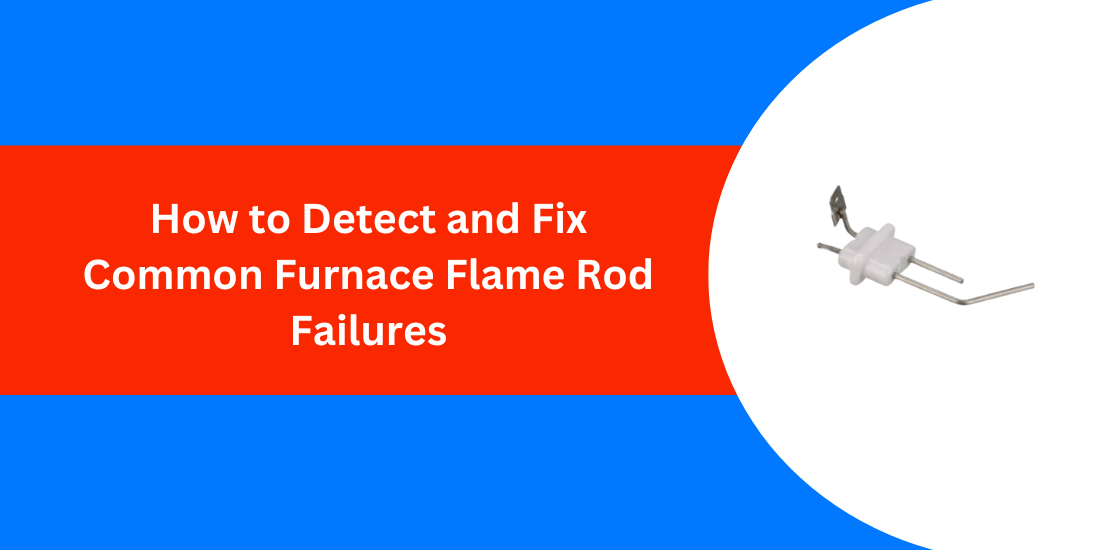
The furnace flame rod is a vital safety device that detects if a flame is present in the burner when the furnace starts. It sends a signal to keep the gas valve open only when a flame is established. If no flame is detected, it shuts off the gas to prevent hazards, ensuring safe and efficient furnace operation.
Key Role of Furnace Flame Rods
- Flame Detection and Safe Ignition: The flame rod detects if the burner flame is lit after the furnace starts, confirming safe ignition. This ensures the furnace is operating correctly.
- Signal to Keep Gas Valve Open: When a flame is sensed, the flame rod sends a signal to the control board to keep the gas valve open. This allows continuous heating while the flame is present.
- Gas Shutoff When No Flame is Detected: If no flame is detected, the flame rod signals the control board to shut off the gas valve immediately. This prevents the dangerous buildup of unburned gas.
- Automatic Safety Feature: Acting as an automatic safety feature, the flame rod prevents gas flow without a flame. This significantly reduces the risks of gas leaks or explosions.
- Ensuring Efficient Burner Operation: By confirming burner flame presence, the flame rod helps maintain efficient furnace operation. Proper burner function contributes to energy savings.
- Positioning for Reliable Detection: The flame rod is a small metal rod placed directly in the burner flame path. This location ensures rapid and reliable flame detection.
Signs of a Failing Furnace Flame Rod
A malfunctioning furnace flame rod can disrupt heating performance and compromise safety. Common symptoms indicating a faulty flame rod include:
- Frequent Furnace Shutdowns: The furnace may frequently turn off shortly after starting because the flame rod fails to detect the burner flame, causing the control board to shut off the gas as a safety measure.
- Delayed Ignition or No Ignition: Difficulty in lighting the burner or the furnace failing to ignite consistently can point to flame sensor issues.
- Unusual Clicking or Sparking Sounds: Repeated attempts to ignite the burner, accompanied by clicking noises, may indicate the flame rod is not sensing the flame properly.
- Visible Corrosion or Dirt on the Rod: A dirty or corroded flame rod can impair its ability to detect the flame, leading to operational problems.
- Error Codes or Indicator Lights: Many modern furnaces display error codes or flash indicator lights signaling a flame sensor fault.
Identifying these signs early helps prevent prolonged furnace downtime and unsafe operating conditions, ensuring timely maintenance or replacement of the flame rod.
Causes of Common Furnace Flame Rod Failures
Several factors can contribute to furnace flame rod failure or reduced efficiency, often disrupting proper ignition and flame detection. The most common causes include dirt buildup, corrosion, misalignment, or electrical connection issues.
- Carbon Buildup And Dirt Accumulation: Dust, soot, and combustion byproducts coat the rod’s surface, blocking current flow. Without cleaning, this buildup prevents accurate flame detection and causes frequent shutdowns.
- Corrosion Over Time: High heat and combustion gases gradually corrode the metal surface of the rod. This weakens conductivity, reducing its ability to transmit the flame signal.
- Faulty Wiring Or Loose Connections: Frayed wires or weak terminals disrupt the flame rectification circuit. Even with a clean rod, poor connections can cause false flame-sensing failures.
- Improper Installation Or Misalignment: If the rod is bent or not correctly placed in the burner flame, it won’t sense heat properly. Small misalignments often trigger unnecessary shutdowns.
- Age And Wear: Flame rods degrade naturally from repeated heating and cooling cycles. Over time, they lose sensitivity and eventually require replacement for reliable furnace performance.
Understanding these causes makes troubleshooting far more efficient.
Step-by-Step Process on How to Fix Furnace Flame Rod Issues
Follow the below steps to repair flame rod in your furnace:
1. Locate the Flame Sensor
Open your furnace’s access panel. The flame rod is typically a thin metal rod mounted on a porcelain insulator, located near the burners and held in place with a single screw.
2. Remove the Flame Rod
Use a nut driver or screwdriver to remove the screw securing the flame sensor. Gently pull the rod out from its position.
3. Inspect the Sensor
Look for visible signs of corrosion, black soot, or discoloration. These contaminants interfere with the flame-sensing process.
4. Clean the Flame Sensor
Use an emery cloth or fine steel wool to gently clean the metal rod. Do not use abrasive tools like wire brushes, as they can damage the sensor.
Wipe off any remaining debris with a soft cloth. Be careful not to damage the porcelain base, as cracks can compromise the insulation and render the sensor useless.
5. Reinstall and Test
Reinsert the flame rod, secure it with the screw, and reconnect any wiring. Restore power and gas, then run the furnace through a heating cycle. If it stays on and runs properly, your issue may be resolved.
When to Replace the Flame Rod in Your Furnace?
Cleaning doesn’t always solve the problem. Replace the flame sensor if:
- It shows signs of physical damage (cracks, broken porcelain)
- It continues to show low microamp readings after cleaning
- Your furnace still cycles off too quickly or fails to stay on
- It’s over 3-5 years old (depending on use and environment)
Replacement sensors are generally inexpensive ($10–$50) and widely available at HVAC suppliers or online.
Pro Tip: Always match the replacement sensor to the model specified in your furnace manual. Using an incompatible sensor can cause misreadings or system faults.
How to Prevent Future Flame Rod Failures
Preventative maintenance can extend the life of your flame sensor and help your furnace run more efficiently.
Annual Furnace Tune-Up
Schedule a professional inspection at least once a year. A technician can clean and test the flame sensor along with other critical components.
Keep the Furnace Clean
Dust and debris buildup can increase the rate of sensor contamination. Vacuum around your furnace regularly.
Replace Air Filters
A dirty filter can restrict airflow, causing the furnace to run hotter than designed, which accelerates wear on the flame sensor and burners.
Check Burners for Proper Flame
Burners should produce a steady, blue flame. Yellow or flickering flames can cause carbon buildup on the sensor and may indicate combustion issues.
Conclusion:
The Furnace Flame Rod may be one of the smallest parts of your heating system, but it has one of the biggest jobs, ensuring safe and reliable operation. Most failures are caused by something as simple as dirt or carbon buildup, which can be quickly corrected with proper cleaning. When cleaning no longer restores performance, a simple replacement is often all that’s needed. By staying proactive with regular inspections, preventive maintenance, and timely repairs, you not only protect your family’s safety but also keep your furnace running at peak efficiency. Whether you choose a DIY approach for basic upkeep or call in a professional for complex issues, giving proper attention to your flame rod ensures comfort, safety, and peace of mind throughout the heating season.
PartsHnC, specializes in HVAC replacement parts to keep your air conditioners, water heaters, and heat pumps running efficiently with fast delivery.