Selecting the right waterproofing system for your roof is a critical decision that can help protect your home or commercial building from water damage and extend the lifespan of the roof. With a variety of options available, understanding the key factors involved in choosing a system that suits your needs is essential. Here’s a detailed guide to help you make an informed decision.
1. Understand Your Roof’s Type and Structure
Before diving into the different waterproofing systems, it’s important to understand your roof’s type and structure. Roofs come in various forms, such as flat, sloped, or pitched, and each type requires a specific waterproofing system.
- Flat Roofs: Flat roofs are more susceptible to water pooling, so a durable, seamless waterproofing system is necessary to prevent leaks.
- Pitched Roofs: Pitched roofs often have better drainage, but waterproofing is still necessary, especially in regions with heavy rainfall or snow.
The material and slope of your roof will influence the type of waterproofing system you select. For example, flat roofs generally need liquid-applied systems or membranes that can form a seamless layer of protection.
2. Evaluate Local Climate and Weather Conditions
The climate in your region plays a significant role in determining which waterproofing system will work best. For example, roofs in areas that experience extreme weather conditions such as heavy rains, snow, or intense UV rays need a robust and durable waterproofing system.
- Cold Climates: For areas with snow and freezing temperatures, you need a waterproofing system that can withstand temperature fluctuations and prevent ice damming.
- Hot Climates: In regions with high temperatures and sun exposure, UV resistance is crucial. A system with excellent heat resistance will help prevent premature wear and tear.
3. Consider the Types of Waterproofing Systems
There are various types of waterproofing systems to choose from, each with its benefits and drawbacks. Here’s a rundown of the most common options:
- Liquid-Applied Membranes: These are versatile and can be applied to almost any surface, including complex roof designs. They form a seamless barrier against water and are easy to maintain. Liquid-applied membranes are available in both bituminous (asphalt-based) and polymer-based formulations. They are ideal for flat roofs and provide a high level of protection.
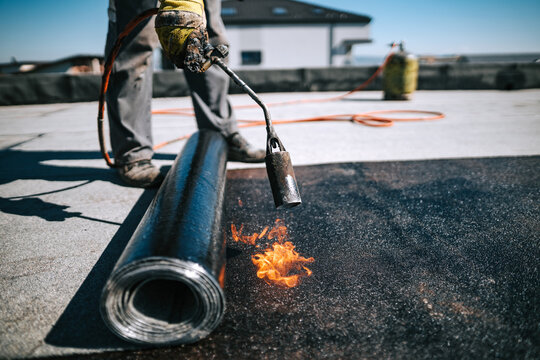
- Bituminous Membranes (Torch-On): These membranes are made from asphalt and are typically used for flat roofs. They offer excellent protection against water, heat, and weathering, and are often installed by torching the material onto the roof. This system is reliable but requires skilled labor for installation due to the fire risk involved with the torching process.
- EPDM (Ethylene Propylene Diene Monomer): EPDM is a synthetic rubber membrane commonly used for flat roofs. It’s highly durable, UV resistant, and offers excellent water resistance. EPDM is particularly useful for roofs with irregular shapes, as it can be customized for various designs.
- TPO (Thermoplastic Olefin): TPO is another popular option for flat roofs, offering good UV resistance, energy efficiency, and weatherability. It is typically white, which reflects sunlight and can help in lowering cooling costs during hot weather.
- PVC (Polyvinyl Chloride): PVC roofing systems are made of durable plastic and are resistant to chemicals, weather, and fire. They are often used in commercial settings and provide excellent waterproofing and long-term performance.
- Modified Bitumen: Modified bitumen systems are based on asphalt but have enhanced properties due to the addition of modifiers like rubber or plastic. This system is ideal for low-slope or flat roofs and provides a strong barrier against water infiltration.
Read More: Which Type of Waterproofing Is Right for Your Home?
4. Assess Durability and Maintenance Requirements
When selecting a waterproofing system, consider the durability and maintenance requirements of each option. A high-quality system may cost more upfront but can save you money in the long run by reducing the frequency of repairs and replacements.
- Low Maintenance: Liquid-applied and EPDM systems are known for their low maintenance, requiring minimal upkeep once applied.
- Regular Inspections: While most systems require occasional inspection, some, like bituminous membranes, may need more regular maintenance to ensure they remain intact.
5. Installation Process and Cost
The installation of waterproofing systems can vary significantly depending on the material and the complexity of the roof. Liquid-applied systems generally offer easier and quicker installation, while membrane systems may require more labor and expertise.
- Labor Costs: Some systems, like bituminous and EPDM, may require professional installation, which could add to the overall cost.
- Installation Time: If you need the waterproofing to be completed quickly, a liquid-applied membrane might be the best choice since it can be applied in a shorter period than other types.
6. Energy Efficiency and Environmental Impact
Many modern waterproofing systems are designed with energy efficiency in mind. For example, TPO and PVC systems reflect sunlight, which can reduce heat buildup and lower cooling costs. Additionally, some systems are made from recycled materials and are more eco-friendly.
If energy efficiency and environmental impact are important to you, choose a waterproofing system that helps reduce energy consumption and has a minimal carbon footprint.
7. Consult a Professional
While it’s possible to gather information and make an informed decision, consulting a professional waterproofing contractor in Los Angeles is always recommended. A professional contractor will assess your roof’s specific needs, taking into account the local climate and your budget, to recommend the most suitable waterproofing system for your property. Their expertise ensures that the job is done correctly and effectively, protecting your home from potential water damage in the long term.
Conclusion
Selecting the right waterproofing system for your roof is a decision that requires careful consideration of multiple factors, including your roof type, climate, durability, and budget. By understanding the different systems available and consulting with professionals, you can make an informed choice that ensures long-term protection for your property.