It’s fascinating how art travels with people how it picks up memories, meanings, and sometimes even contradictions along the way. That’s exactly the case with contemporary Jewish art and its roots in tradition. There’s a tension, a connection, and a quiet dialogue between what was and what’s now. And honestly, that’s what makes it so compelling.
Whether you’re looking at a centuries-old ritual object or a bold mixed-media piece hanging in a Tel Aviv gallery, both carry a kind of conversation between generations. That’s the spirit behind what we call modern Jewish art it doesn’t leave the past behind, it reinterprets it.
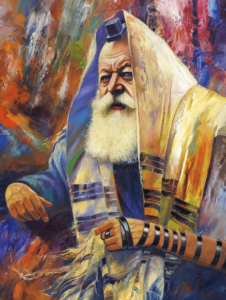
Where It All Began: Sacred Purpose Over Style
Jewish art didn’t start as art for art’s sake. It wasn’t about museums or collectors it was about meaning. Ancient Jewish pieces were mostly functional, created for rituals or spiritual life. Think Torah crowns, menorahs, embroidered curtains for the ark, even handwritten Haggadahs. They were detailed, beautiful but also deeply purposeful.
One key factor? Religious law. Halakha shaped what could be shown, how, and where. This led to a symbolic language: letters, geometric shapes, natural motifs. Subtle, layered, intentional.
Things Begin to Shift: Identity and Modern Influence
Fast forward to the 1800s and early 1900s. Big changes were in motion Jews gaining more civil rights, joining art schools, showing in public exhibitions. For the first time, being a “Jewish artist” didn’t mean creating for the synagogue. It meant having a voice in larger art movements while still carrying personal heritage.
Marc Chagall, for instance, didn’t just paint shtetls. He painted memory. Nostalgia. Stories. He merged folklore with expressionism, and in doing so, helped shape the early path of modern Jewish art.
The Now: Many Voices, Many Styles
Today’s Jewish artists don’t stick to a script. Some create minimalist works; others lean into bold color and multimedia. You’ll find painters who explore what it means to be Jewish in a post-Holocaust world, or sculptors who work with reclaimed objects from abandoned synagogues. Some tackle tough topics politics, displacement, antisemitism, identity crises. Others just want to explore beauty through a Jewish lens.
And that’s what makes contemporary Jewish art so wide open. It reflects the diversity of Jewish life today whether rooted in Tel Aviv, Brooklyn, Berlin, or Buenos Aires.
Old Meets New: A Beautiful Collision
One thing that keeps coming up in this evolution? The blending of old motifs with new interpretations. Artists are drawing on ancient symbols like the Tree of Life or Hebrew typography, but they’re remixing them into digital forms, modern installations, or abstract pieces. It’s not just tradition being preserved it’s being remade for today’s viewer.
If you’re looking for powerful examples, check out the curated collections of modern Jewish art at Art Levin. You’ll find work that doesn’t just echo history it reshapes it in fresh, unexpected ways.
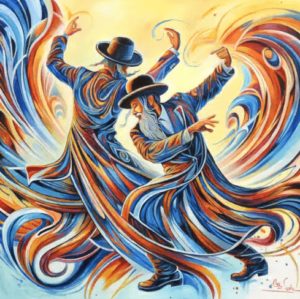
A Living, Breathing Story
Here’s the thing: Jewish art doesn’t have an endpoint. It’s always changing, because Jewish identity itself isn’t static. The art reflects that it’s constantly in motion. You might see something deeply traditional next to something radically new, and both will feel honest. That’s the thread tying everything together: the desire to express, reflect, remember, and sometimes question.
So whether you’re drawn to a centuries-old kiddush cup or a modern abstract piece covered in Hebrew calligraphy, you’re engaging with the same story just written in different handwriting.