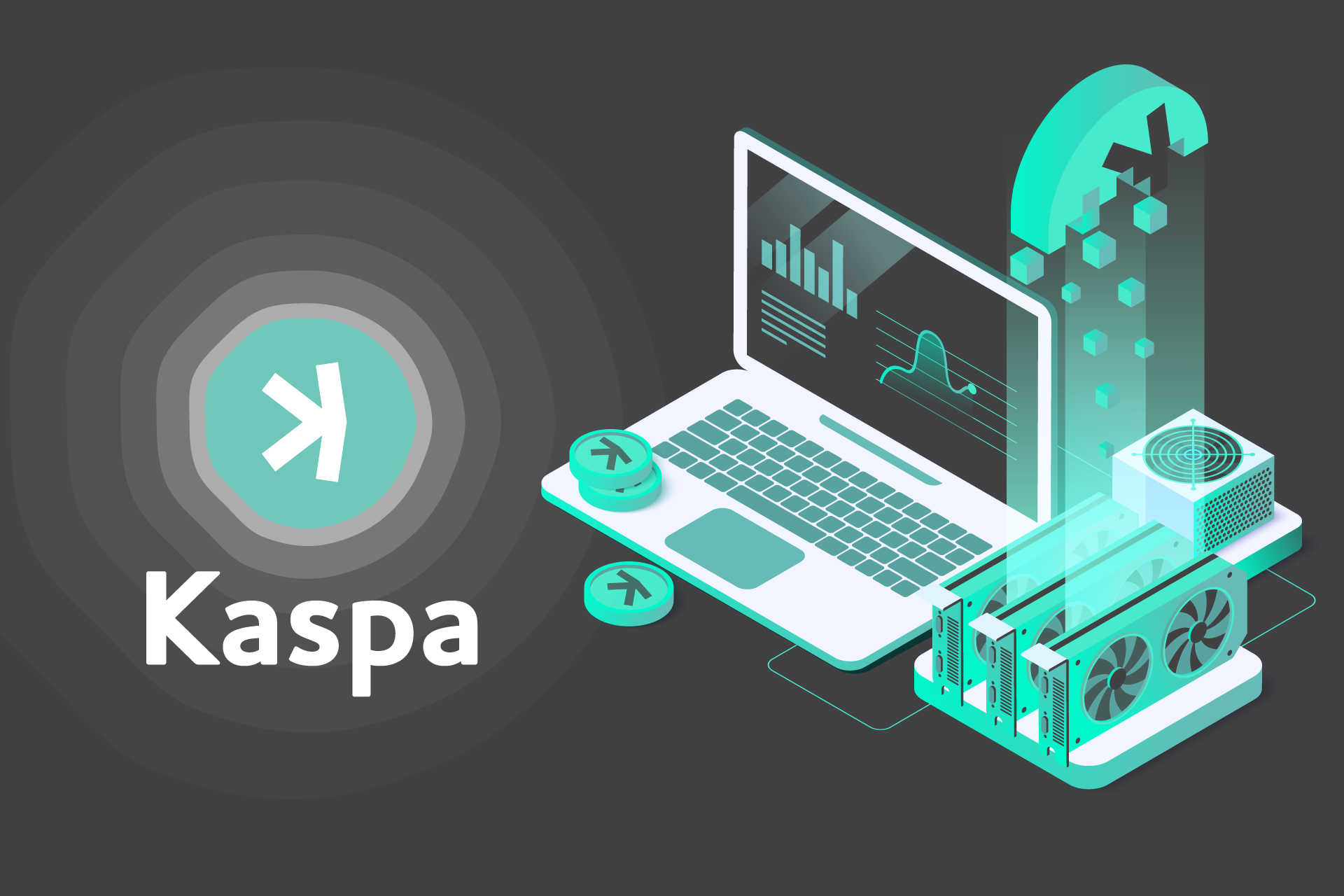
Blockchain technology has brought about revolutionary changes in various industries. However, challenges like scalability and transaction speed often hinder its mass adoption. Kaspa (KAS), a blockchain network designed with innovative solutions, seeks to overcome these limitations. By using Directed Acyclic Graph (DAG) technology and the GHOSTDAG protocol, Kaspa is setting new standards for blockchain scalability and efficiency. This article delves into what Kaspa is, how it works, and why it matters in the crypto space.
What is Kaspa?
A Brief Overview of Kaspa
Kaspa is a decentralized, open-source blockchain network that addresses scalability and efficiency challenges in traditional blockchains. Unlike the linear chain structure of conventional blockchains, Kaspa employs a DAG architecture, allowing multiple blocks to coexist simultaneously. This makes it faster and more efficient than most blockchain systems.
The native cryptocurrency of the network, KAS, is used for transactions and mining rewards. Kaspa stands out not only for its technological innovation but also for its accessibility and energy efficiency, ensuring that even smaller miners can participate.
How Kaspa Works
The GHOSTDAG Protocol Explained
Kaspa operates on the GHOSTDAG protocol, a groundbreaking approach to blockchain consensus. Unlike traditional blockchains that discard parallel blocks as “orphans,” GHOSTDAG orders these blocks in a way that maintains their inclusion and consensus integrity.
How it works:
- Parallel Block Inclusion: Kaspa processes multiple blocks at the same time, rather than forcing them into a single chain.
- Consensus Ordering: The protocol organizes these blocks based on their timestamps and network validation, preventing double-spending and ensuring network security.
An Analogy to Simplify
Imagine a single-lane road where cars must queue up one by one to reach their destination. This represents a traditional blockchain. Now, think of a multi-lane highway where several cars can drive alongside each other. That’s Kaspa’s DAG approach. It allows for a much higher volume of transactions without slowing down.
This efficient system enables Kaspa price stability as the network scales and handles growing transaction volumes. For current price trends and updates, explore Kaspa price.
Advantages of Kaspa
1. Scalability
Kaspa’s DAG structure allows for significantly higher transaction throughput compared to traditional blockchains. This makes it suitable for real-world applications where speed and scalability are essential.
2. Low Transaction Times
With Kaspa, transactions are confirmed almost instantly, making it an attractive choice for scenarios requiring real-time transaction validation.
3. Eco-Friendly Mining
Kaspa promotes a mining process that is less energy-intensive, enabling smaller miners to participate without the need for costly equipment. This approach not only democratizes mining but also reduces the environmental impact.
4. Decentralization
Unlike many blockchain networks that compromise decentralization for efficiency, Kaspa achieves a balance. Its architecture ensures that no single entity can dominate the network.
The Kaspa Ecosystem
Wallets and Tools
Kaspa offers a growing ecosystem designed for user convenience:
- Kaspium Wallet: A user-friendly wallet for securely storing and managing KAS tokens.
- Tangem Wallet: Another secure option catering to both beginners and experienced users.
These wallets provide seamless access to Kaspa’s features and ensure safe transactions.
Future Developments
The project aims to integrate smart contracts, enabling applications like decentralized finance (DeFi) and supply chain management. Such advancements will expand Kaspa’s use cases and make it a versatile platform for blockchain solutions.
The Vision Behind Kaspa
Dr. Yonatan Sompolinsky’s Leadership
Kaspa’s innovative approach is led by Dr. Yonatan Sompolinsky, a renowned researcher in blockchain technology. His earlier work on the GHOST protocol laid the foundation for Kaspa, addressing the shortcomings of traditional blockchains.
Inspiration and Evolution:
- The GHOST protocol provided a blueprint for handling parallel blocks.
- Kaspa evolved this concept with GHOSTDAG, achieving a balance between speed and security.
Dr. Sompolinsky’s vision reflects a commitment to creating a blockchain network that prioritizes scalability and decentralization without compromising user experience.
Why Kaspa Matters in the Crypto Space
1. Solving Blockchain Limitations
Kaspa effectively addresses three major blockchain challenges:
- Scalability
- Transaction speed
- Decentralization
This makes it a critical player in advancing blockchain adoption for global use cases.
2. Real-World Applications
From instant payments to future smart contracts, Kaspa is paving the way for practical blockchain applications. Its unique approach makes it a viable option for industries that require high transaction throughput.
3. Competitive Edge
Kaspa stands out in a crowded crypto space with its DAG technology and GHOSTDAG protocol. While many projects promise scalability, few deliver the innovative solutions that Kaspa offers.
Conclusion
Kaspa (KAS) is more than just another cryptocurrency; it’s a groundbreaking solution to blockchain’s scalability and efficiency challenges. With its DAG architecture, GHOSTDAG protocol, and a focus on decentralization, Kaspa sets a new benchmark for blockchain networks. Its eco-friendly approach and user-focused ecosystem make it accessible and practical for a wide range of applications.
For those exploring innovative blockchain projects, Kaspa offers a glimpse into the future. From wallets to upcoming smart contract integrations, the ecosystem is designed to cater to both beginners and seasoned crypto enthusiasts. Stay updated on Kaspa’s developments, and don’t forget to explore the Kaspa price for the latest insights into its market performance.