When it comes to upgrading your floors, two popular options often come to mind: laminate and hardwood. Each has unique qualities that can complement a home’s style, durability needs, and budget. If you’re trying to decide between these two options, this guide will break down their features, benefits, and considerations, so you can confidently choose the best flooring for your space.
What are Laminate and Hardwood Flooring?
- Laminate Flooring: Laminate is a synthetic product made up of multiple layers. It typically includes a high-density fiberboard (HDF) core, a printed image layer (which mimics wood or other materials), and a protective overlay.
- Hardwood Flooring: Hardwood is crafted from solid wood planks. It’s available in various wood species, like oak, maple, and cherry, providing a natural, timeless look that enhances any room.
Let’s dive into the main features and distinctions of laminate and hardwood flooring to understand what each brings to the table.
Key Differences Between Laminate and Hardwood Flooring
- Appearance and Style
- Hardwood: Natural hardwood is unparalleled in terms of authenticity. Each plank has unique grains and colors that evolve beautifully over time, giving a luxurious feel to spaces.
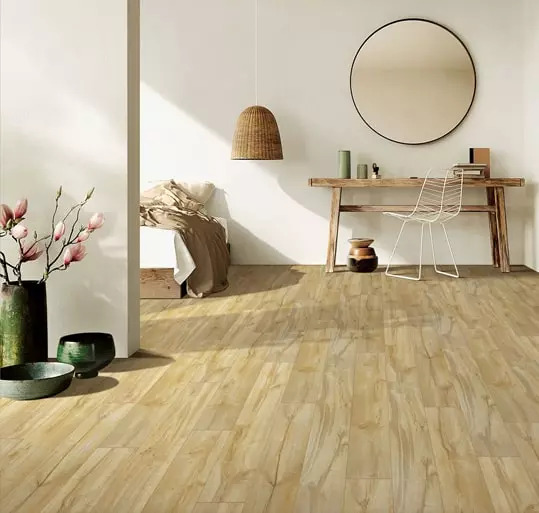
- Laminate: Laminate offers a wide range of styles that replicate wood, stone, or tile. Modern technology has improved laminate textures, making them more realistic, though they may lack the nuanced variations of real wood.
- Durability
- Hardwood: Hardwood is durable but prone to scratches, dents, and warping if not properly maintained. However, it can be sanded and refinished several times, prolonging its life.
- Laminate: Laminate is scratch-resistant and ideal for high-traffic areas. It’s less prone to dents but can’t be refinished like hardwood, so replacement may be necessary when it wears out.
- Water and Moisture Resistance
- Hardwood: Real wood can warp or swell in damp conditions. For this reason, hardwood is best suited for dry areas like living rooms and bedrooms.
- Laminate: Laminate has better moisture resistance due to its protective layers, making it suitable for kitchens, bathrooms, and basements. However, prolonged exposure to water can still cause damage.
- Comfort and Acoustics
- Hardwood: Solid hardwood provides a warm, comfortable feel underfoot and good sound insulation. The thickness of hardwood planks also lends a stable feel to each step.
- Laminate: Laminate is thinner and might feel harder and cooler underfoot. It can be noisy when walked on without underlayment, which can absorb sound and enhance comfort.
- Maintenance and Cleaning
- Hardwood: Requires regular sweeping and occasional refinishing to keep it looking fresh. Hardwood cleaning involves careful attention, as water should be limited.
- Laminate: Laminate is low-maintenance and can be cleaned with a vacuum or a damp mop. It’s generally more forgiving with cleaning than hardwood, making it easier for busy households.
- Installation Process
- Hardwood: Installing hardwood is more involved, often requiring professional help. It can be nailed, stapled, or glued to the subfloor.
- Laminate: Laminate flooring often comes in click-lock designs, making it a favorite for DIY projects. It typically floats over the subfloor without nails or glue, simplifying installation.
Cost Comparison
- Hardwood Flooring: Hardwood has a higher upfront cost. The price depends on the type of wood and installation fees, which are typically more expensive.
- Laminate Flooring: Laminate is more budget-friendly. Its installation is simpler and less labor-intensive, making it a cost-effective choice for homeowners wanting a quick, budget-conscious upgrade.
For specific pricing and details on laminate and hardwood flooring, visit Flooring World.
Environmental Impact
- Hardwood: Many hardwood floors are sourced responsibly, but some types of wood can contribute to deforestation. Eco-conscious consumers should look for sustainably sourced wood certified by organizations like the Forest Stewardship Council (FSC).
- Laminate: Laminate floors are often made from recycled materials and can be a more environmentally friendly choice. However, they’re not always biodegradable and may not be as easily recyclable as hardwood.
Pros and Cons of Hardwood Flooring
- Pros:
- Timeless, authentic look
- Adds real estate value
- Can be refinished for a refreshed look
- Cons:
- Higher initial cost
- Susceptible to moisture and temperature changes
- Requires regular maintenance
For a curated selection of quality hardwood flooring options, visit Flooring World.
Pros and Cons of Laminate Flooring
- Pros:
- Budget-friendly and easy to install
- Resists scratches and wear, ideal for high-traffic areas
- Wide variety of designs and finishes
- Cons:
- Cannot be refinished, so replacement is necessary when worn
- Less natural look and feel than real wood
- May not add as much value to a property as hardwood
Explore a range of durable and stylish laminate flooring options at Flooring World.
Situational Recommendations
- For High-Traffic Areas: Laminate is a practical choice as it withstands heavy use and resists scratches.
- For Homes with Pets and Kids: Laminate’s durability and ease of maintenance make it ideal for busy households.
- For Value and Long-Term Investment: Hardwood offers excellent value over time and can be refinished to renew its look.
- For Humid or Moisture-Prone Areas: Opt for laminate or engineered hardwood, as solid hardwood isn’t ideal for damp areas.
For tailored recommendations based on your specific needs, consult the professionals at Flooring World.
Making Your Choice: Key Takeaways
- Aesthetic: Choose hardwood for a classic, natural look. Choose laminate if you’re flexible with synthetic options that replicate wood well.
- Budget: Laminate is often the more affordable choice, while hardwood is an investment that pays off in long-term home value.
- Maintenance: Hardwood requires more upkeep, while laminate is low-maintenance.
- Room Type: Hardwood suits dry, low-traffic areas; laminate is better for high-traffic, moisture-prone spaces.
In the end, the best flooring for you depends on your lifestyle, the room in question, and your budget. Take time to weigh these factors, and you’ll find the ideal flooring to enhance both the look and functionality of your home.