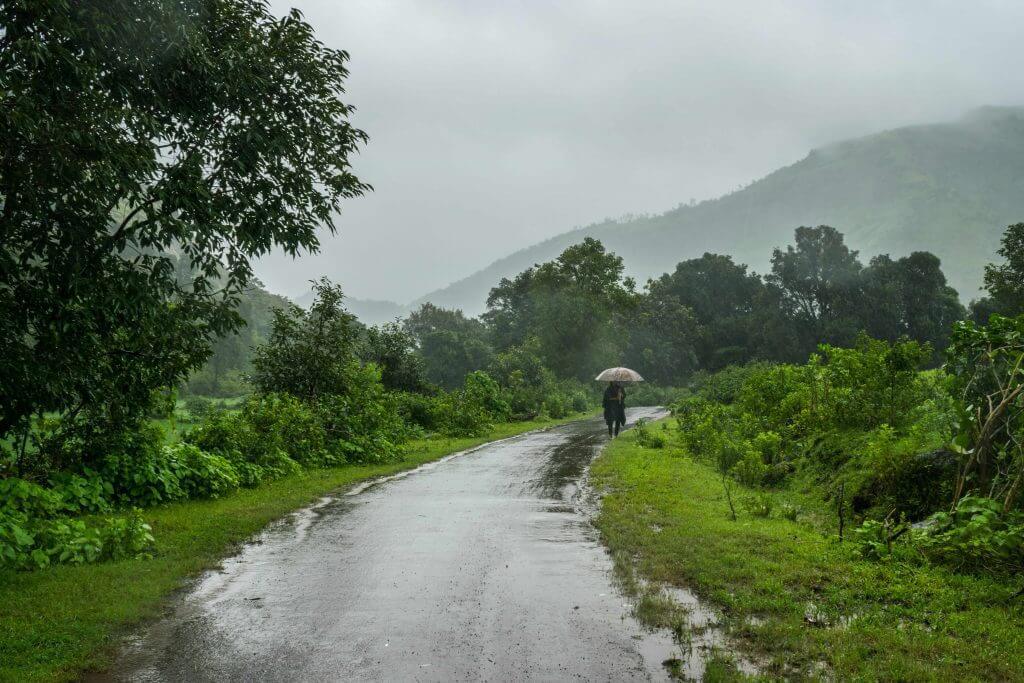
Mawsynram, a quaint village nestled in the Khasi Hills of Meghalaya, India, holds the title of the wettest place on Earth. With an astonishing average annual rainfall of about 467.4 inches (around 12,000 mm), Mawsynram attracts visitors from around the globe, drawn by its lush landscapes, unique weather patterns, and vibrant local culture.
Geography and Climate
Mawsynram is perched at an elevation of approximately 1,400 meters (4,593 feet) above sea level. This altitude, combined with its proximity to the Garo and Khasi hills, creates a microclimate that contributes to its record-breaking rainfall. The monsoon season, stretching from June to September, is particularly intense, with rain pouring down almost daily. The relentless downpours transform the surroundings into a verdant paradise, making Mawsynram one of the most beautiful places in India.
The geography of Mawsynram is defined by steep hills, deep valleys, and an intricate network of rivers and waterfalls. The region’s stunning vistas are a result of this dramatic topography, providing ample opportunities for photography and exploration. Visitors can witness how the relentless rains sculpt the land, creating a dynamic and ever-changing environment.
Flora and Fauna
The extreme levels of rainfall in Mawsynram have fostered a diverse ecosystem. The region is rich in plant life, featuring dense forests that are home to various species of orchids, ferns, and towering trees. This lush vegetation provides habitat for numerous animal species, including rare birds, butterflies, and small mammals.
One of the most captivating aspects of Mawsynram’s biodiversity is its living root bridges. The local Khasi people have ingeniously cultivated these bridges from the roots of rubber trees. Over time, the roots intertwine and strengthen, forming bridges that not only serve as vital pathways across rivers but also exemplify the harmonious relationship between the community and their environment. These living structures have become iconic symbols of Mawsynram, attracting nature lovers and ecologists alike.
Cultural Significance
Mawsynram is predominantly inhabited by the Khasi tribe, known for its rich cultural heritage and matrilineal society. In this unique social structure, lineage is traced through the mother, which influences family dynamics and community organization. The Khasi people celebrate various festivals throughout the year, many of which revolve around agriculture and the changing seasons.
One of the most significant cultural events is the “Shad Suk Mynsiem,” a traditional dance festival that showcases the rich musical and artistic traditions of the Khasi community. During this vibrant event, locals don traditional attire and perform intricate dances, creating an atmosphere of joy and celebration. For visitors, participating in or observing this festival offers a rare glimpse into the local culture and customs.
Tourism in Mawsynram
Mawsynram’s unique weather and stunning landscapes make it an increasingly popular tourist destination. Travelers are drawn not only by the village’s claim to fame but also by its natural beauty and the warmth of its people. The heavy monsoon rains transform the landscape into a lush, green oasis, creating ideal conditions for outdoor activities such as trekking, photography, and bird watching.
Key attractions in and around Mawsynram include:
- Nohkalikai Falls: Just a short drive away, this breathtaking waterfall is one of the tallest in India, plunging over 1,100 feet. The view, especially during the monsoon, is nothing short of spectacular as the water cascades down the rocky cliffs.
- Sohra (Cherrapunji): Located nearby, Sohra is famous for its stunning landscapes, living root bridges, and abundant waterfalls. Many travelers use Sohra as a base to explore the surrounding natural wonders, including Mawsynram.
- Mawsmai Cave: This limestone cave is easily accessible and features stunning stalactite and stalagmite formations. Exploring Mawsmai Cave offers visitors a glimpse into the geological marvels shaped by millions of years of natural processes.
- Dawki: A picturesque town close to Mawsynram, Dawki is known for its crystal-clear Umngot River. The river’s stunning emerald waters attract tourists for boating and picnicking, making it a perfect spot for relaxation and leisure.
- Local Markets: Visiting the local markets is a must for anyone wanting to immerse themselves in the culture of Mawsynram. Here, you can find traditional handicrafts, vibrant textiles, and fresh produce, giving you an authentic taste of local life.
Challenges and Sustainability
Despite its allure, Mawsynram faces several challenges related to environmental sustainability. The intense rainfall, while essential for the ecosystem, can lead to soil erosion, landslides, and damage to infrastructure. These challenges pose significant risks to both the local community and the burgeoning tourism industry.
To combat these issues, local authorities and communities are actively working on sustainable development initiatives. Efforts are being made to educate residents and visitors about the importance of preserving Mawsynram’s natural beauty. Eco-tourism practices are being promoted, encouraging travelers to engage responsibly with the environment and support local conservation efforts.
Conclusion
Mawsynram is more than just a titleholder of the wettest place on Earth; it is a vibrant community steeped in rich culture and natural beauty. The village’s extraordinary rainfall, stunning landscapes, and warm hospitality make it a captivating destination for adventurers and nature enthusiasts alike. As more people discover the charm of Mawsynram, it is crucial to foster sustainable tourism practices that protect this precious environment for future generations. Whether you are drawn by the allure of the rain, the stunning scenery, or the rich cultural experiences, Mawsynram promises an unforgettable journey.