Nathula Pass, a significant mountain pass in the Eastern Himalayas, serves as a crucial link between India and Tibet. Nestled at an elevation of 14,140 feet, it is located in the Indian state of Sikkim, approximately 54 kilometers from the capital city, Gangtok. This strategic pass not only holds historical significance but also boasts breathtaking landscapes, making it a popular destination for travelers and adventurers alike.
Historical Significance of Nathula Pass
Nathula Pass has been a crucial route for trade and cultural exchange between India and Tibet for centuries. Historically, it was a part of the ancient Silk Route, facilitating trade in goods such as silk, spices, and other commodities. The pass was officially reopened in 2006 for trade after a long closure due to geopolitical tensions. Today, it serves as a symbol of friendship and collaboration between India and China, with limited trade being conducted across the border.
Accessing Nathula Pass
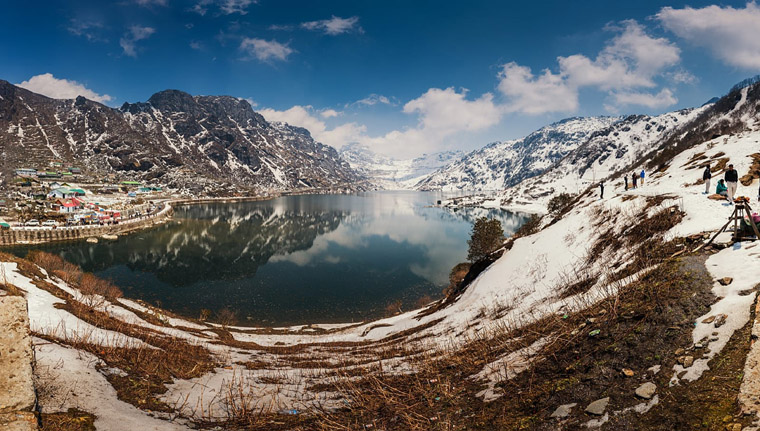
Reaching Nathula Pass requires a permit, which can be obtained through travel agencies in Gangtok. The journey involves a scenic drive through winding roads, offering travelers glimpses of stunning landscapes, lush valleys, and towering peaks. The journey typically includes a visit to the nearby Tsomgo Lake, a glacial lake known for its mesmerizing beauty and changing colors throughout the year.
The Journey to Nathula Pass
The drive to Nathula Pass is an adventure in itself. As you ascend, the air becomes thinner, and the scenery transforms from verdant green hills to rugged mountains blanketed in snow. The roads are lined with vibrant rhododendron blooms in spring, while the winter months see the area draped in a pristine white coat of snow.
Once at the pass, visitors can take in panoramic views of the surrounding Himalayan peaks. The atmosphere is crisp and invigorating, making it a perfect spot for photography and soaking in the natural beauty. On a clear day, one can catch a glimpse of the majestic Kanchenjunga, the third highest mountain in the world.
Flora and Fauna
The region surrounding Nathula Pass is rich in biodiversity. The alpine meadows are home to various species of flora, including rare medicinal plants and colorful wildflowers. Wildlife enthusiasts might spot animals such as the red panda, Himalayan black bear, and several species of birds, including the colorful Himalayan Monal.
Cultural Aspects
Nathula Pass is not only a geographical marvel but also a cultural melting pot. The region is predominantly inhabited by the Bhutia and Lepcha communities, who have a rich cultural heritage and traditions. Visitors can witness local festivals, traditional dances, and unique crafts that reflect the vibrant culture of Sikkim. The proximity to Tibet also introduces a blend of Tibetan culture, evident in the local architecture, cuisine, and customs.
Adventure Activities
For adventure seekers, Nathula Pass offers a range of activities. Trekking is a popular choice, with trails leading to various vantage points and lesser-known spots in the region. The area is also ideal for mountain biking, providing adrenaline junkies with thrilling rides through challenging terrains. The nearby Tsomgo Lake is perfect for a tranquil boat ride, surrounded by snow-capped peaks and lush greenery.
Visiting Tips
- Permits: Ensure you have the necessary permits before heading to Nathula Pass. It’s advisable to arrange these through a registered travel agency in Gangtok.
- Best Time to Visit: The ideal time to visit is from March to June and September to November. The weather during these months is pleasant, and the landscapes are at their most beautiful.
- Clothing: Dress in layers, as temperatures can vary significantly throughout the day. Warm clothing, including jackets and thermal wear, is essential, especially if you’re visiting in winter.
- Altitude Acclimatization: Due to its high altitude, acclimatization is crucial. Spend a day or two in Gangtok before heading to Nathula to allow your body to adjust to the elevation.
- Respect the Environment: Nathula Pass is a protected area, so it’s vital to respect the environment and local regulations. Avoid littering and follow guidelines set by authorities.
Conclusion
Nathula Pass is more than just a mountain pass; it is a treasure trove of natural beauty, cultural heritage, and historical significance. Whether you are a history buff, nature lover, or adventure seeker, Nathula Pass offers something for everyone. As you stand at this remarkable juncture of India and Tibet, you can’t help but feel a sense of wonder and appreciation for the breathtaking landscapes and rich culture that surround you. Whether you’re capturing the perfect photograph, indulging in local delicacies, or simply enjoying the serene environment, Nathula Pass is an unforgettable destination that showcases the majesty of the Himalayas.
Visiting Nathula Pass not only enriches your travel experience but also provides a unique opportunity to understand the region’s history and culture. So pack your bags, secure your permits, and get ready for an adventure that will stay with you forever.