Peripheral vascular disease (PVD) affects blood vessels outside the heart and brain, particularly arteries in the legs, reducing blood flow and causing discomfort. This article briefly covers the causes, symptoms, diagnosis, and treatments for PVD.
What is Peripheral Vascular Disease (PVD)?
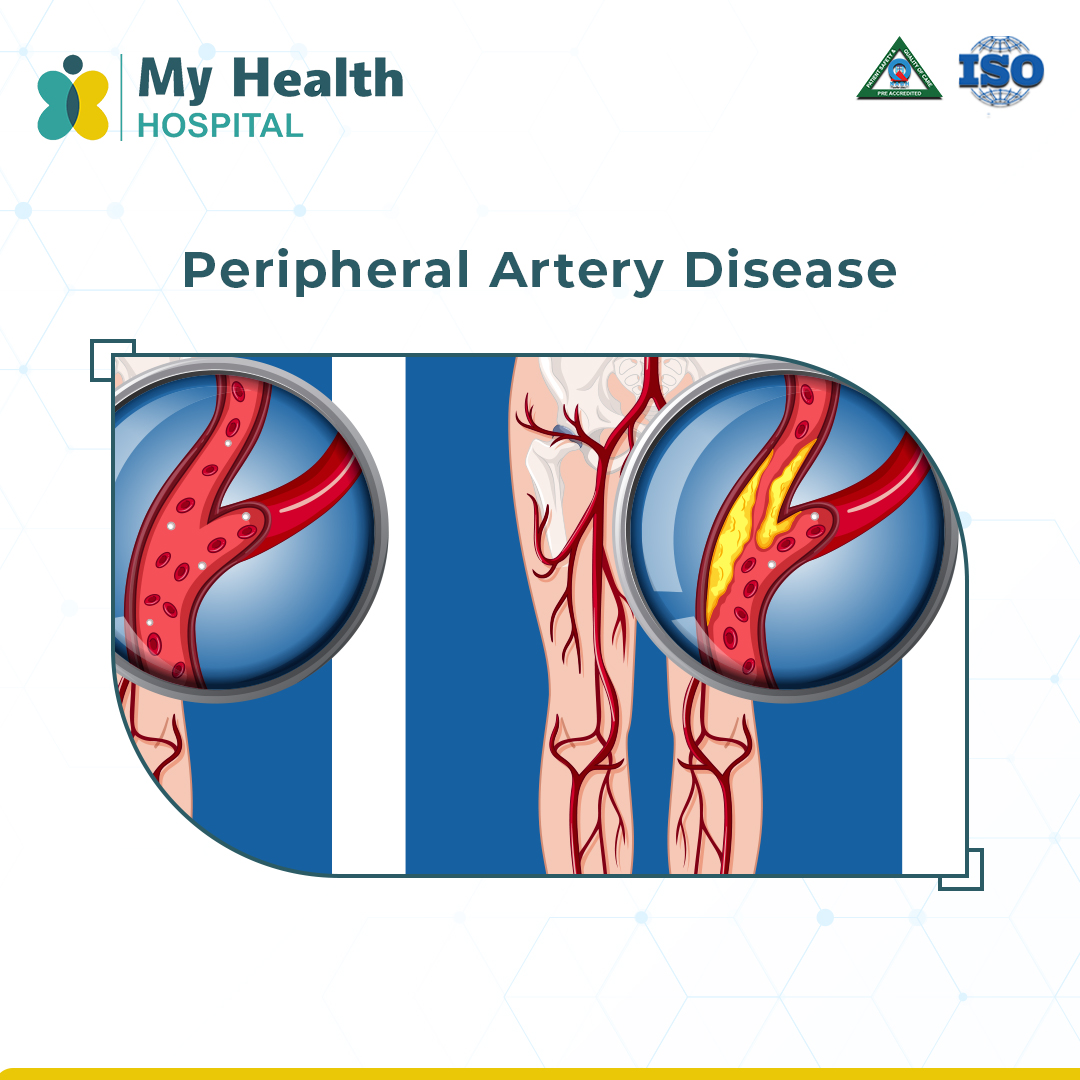
PVD refers to conditions that narrow or block blood vessels, particularly in the legs. It commonly results from atherosclerosis, where plaque builds up in the arteries, reducing blood flow. It can also occur due to diabetes, smoking, or high blood pressure.
Symptoms of PVD
Symptoms include:
- Leg pain when walking (claudication)
- Numbness or weakness in the legs
- Sores on the legs or feet that don’t heal
- Coldness in the lower leg or foot
How is PVD Diagnosed?
Doctors diagnose PVD through physical exams and tests such as ultrasound, angiography, and the ankle-brachial index (ABI). Medical professionals also use specific codes like pvd icd 10 and pad icd 10 to track the condition.
PVD vs. PAD
While often used interchangeably, PVD refers to any blood vessel disorder outside the heart and brain, while PAD specifically targets arteries, reducing blood flow to the legs.
Treatment Options for PVD
Treatment usually involves:
- Lifestyle changes (quitting smoking, exercise)
- Medications (statins, antiplatelets)
- Surgical interventions (angioplasty, bypass surgery)
Medications for PVD
Common medications include:
- Statins to lower cholesterol
- Antiplatelet drugs to prevent blood clots
- Blood pressure medications to improve circulation
Lifestyle Changes to Manage PVD
Making lifestyle changes is crucial for managing PVD, including quitting smoking, eating a heart-healthy diet, and regular exercise to improve blood circulation and reduce symptoms.
FAQs About PVD
1. What causes PVD?
The most common cause is atherosclerosis, where arteries narrow due to plaque buildup.
2. Can PVD be cured?
PVD can’t be cured but can be managed through lifestyle changes, medication, and surgery.
3. What are early signs of PVD?
Leg pain during walking, numbness, and slow-healing sores are early signs.
4. Is PVD serious?
Untreated PVD can lead to serious complications, but it is manageable with proper care.
5. What is the ICD-10 code for PVD?
The ICD-10 code for peripheral vascular disease is